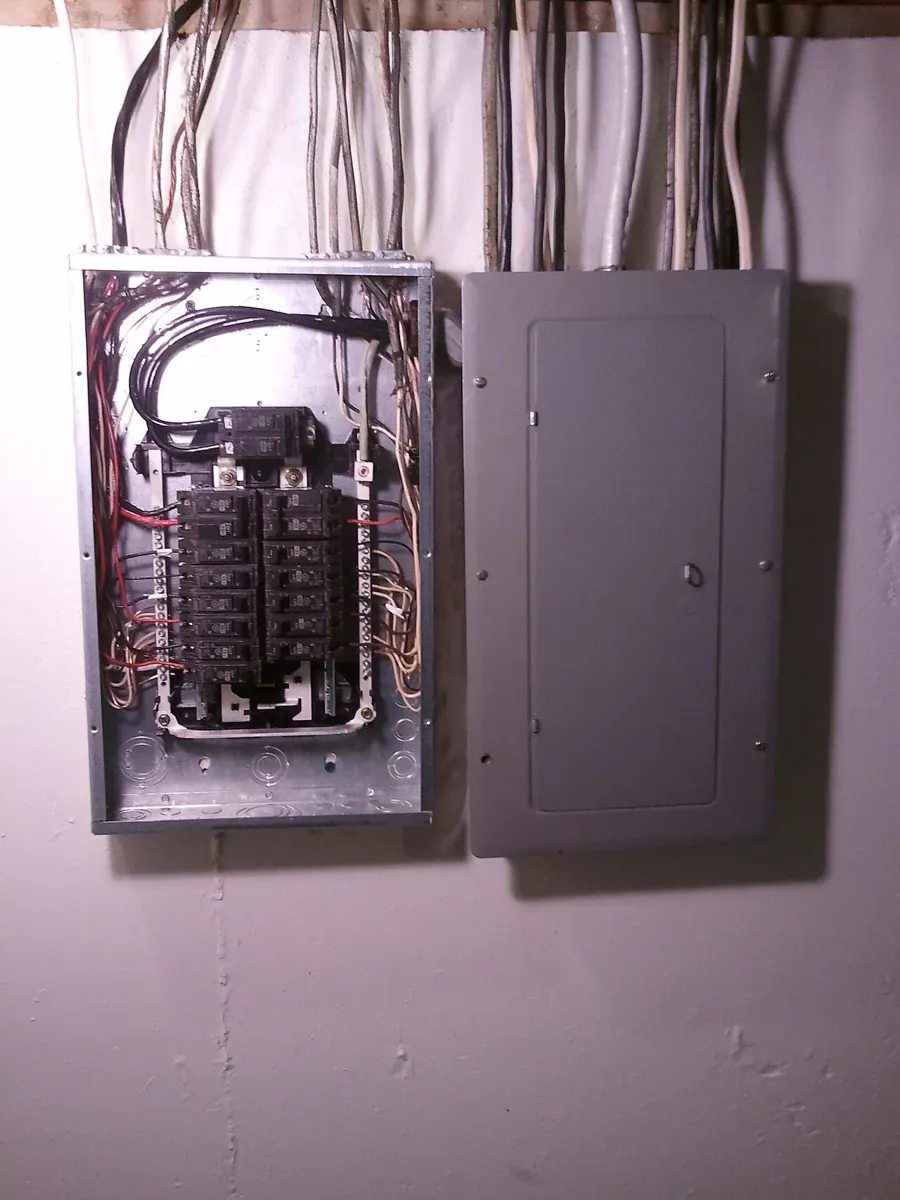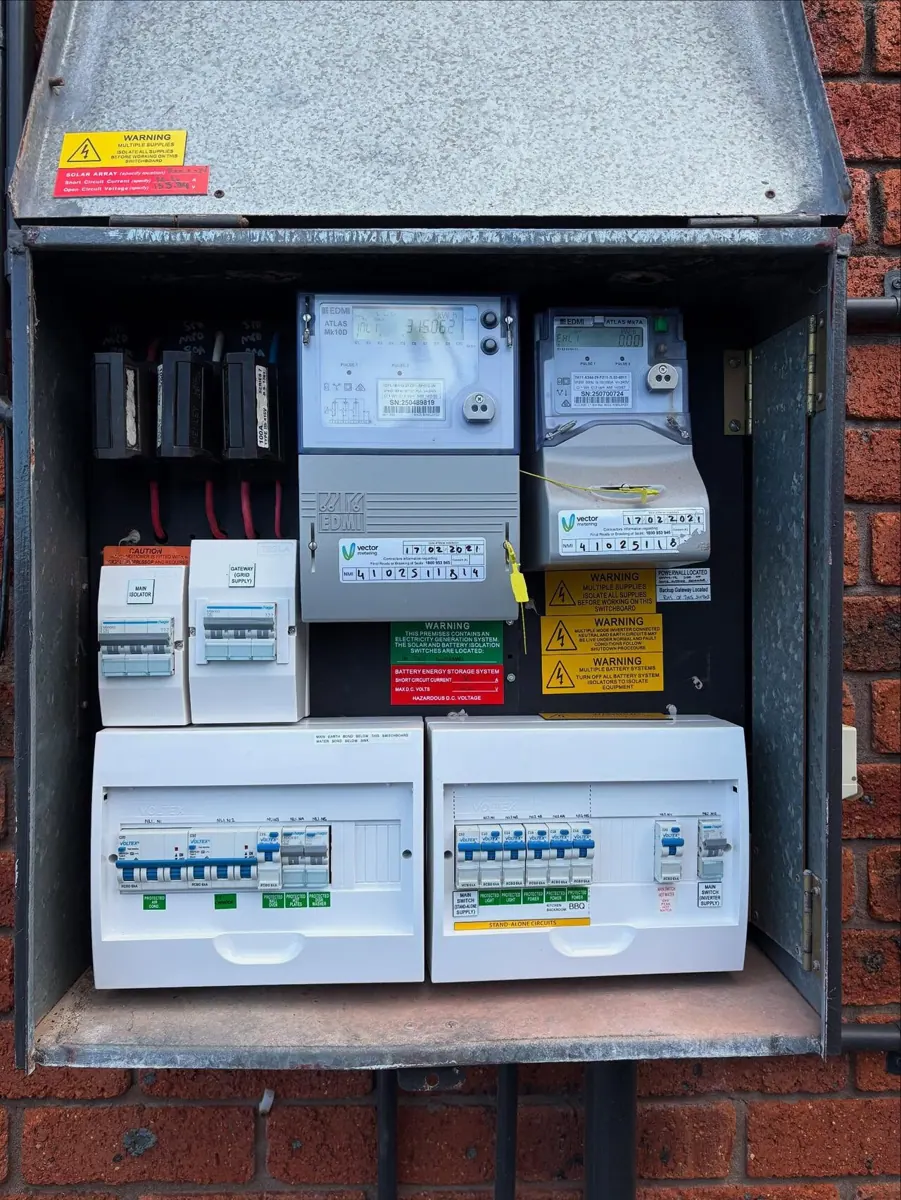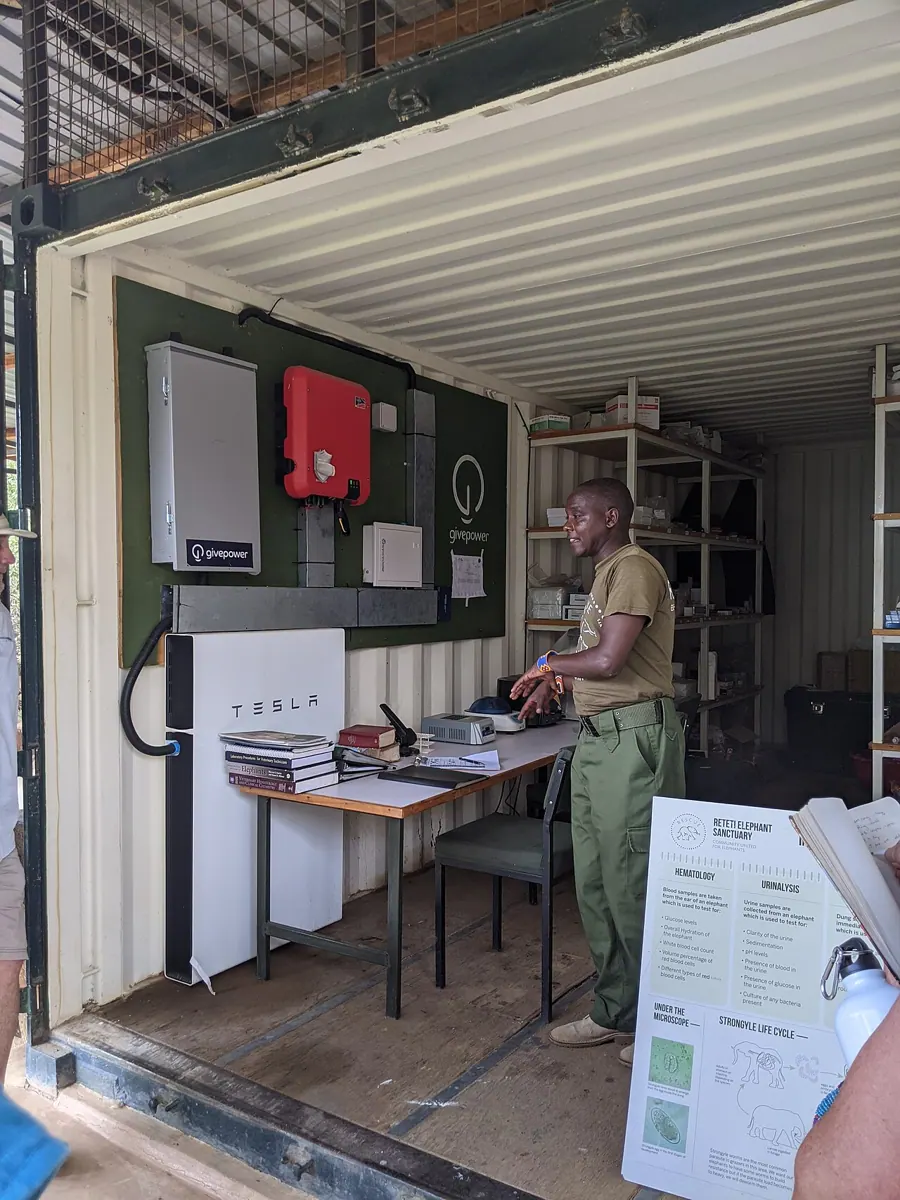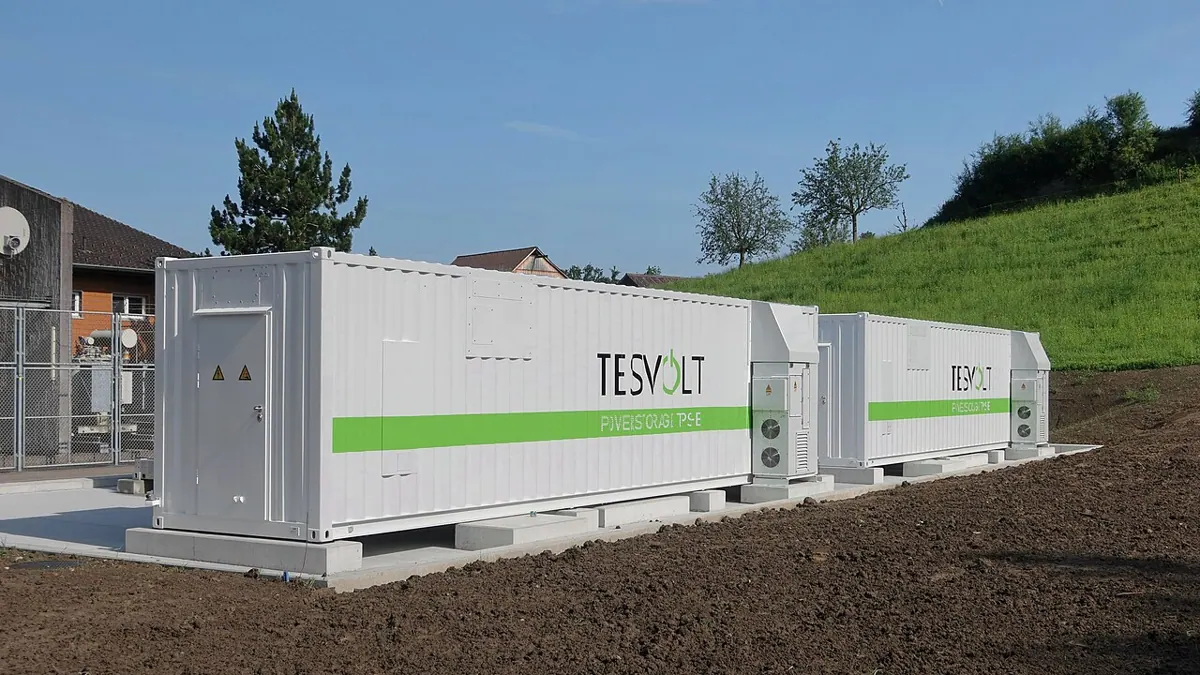
A virtual power plant coordinates resources such as batteries, flexible loads and distributed generation so they can provide a service together. The devices remain in many locations, but software and agreements organize their behavior. The term describes coordination, not a new physical type of battery or generator.
Find out who can do what
Participation may allow an operator to charge or discharge a home battery, adjust a device or request a reduction in demand. The agreement should explain the permitted actions, event timing and owner controls. Ask whether a backup reserve is protected and whether opting out affects payments or eligibility. Those details shape the everyday experience.
Understand the payment basis
Compensation might depend on availability, participation, energy delivered or another program measure. A headline payment does not explain all obligations. Battery cycling, electricity purchases and equipment compatibility can affect the result. Use the actual contract and tariff when assessing a program, because arrangements differ across locations and can change.
Consider communications and privacy
Coordinated operation relies on data and reliable controls. Ask what information is collected, how it is used and what happens during a communications failure. Keep a copy of the agreement and the exit procedure. Aggregation can make small resources useful to the wider grid, but a household should still know what service it is providing and which choices it retains. A good program makes the relationship understandable enough that participation is an informed operating decision rather than a box checked during installation.