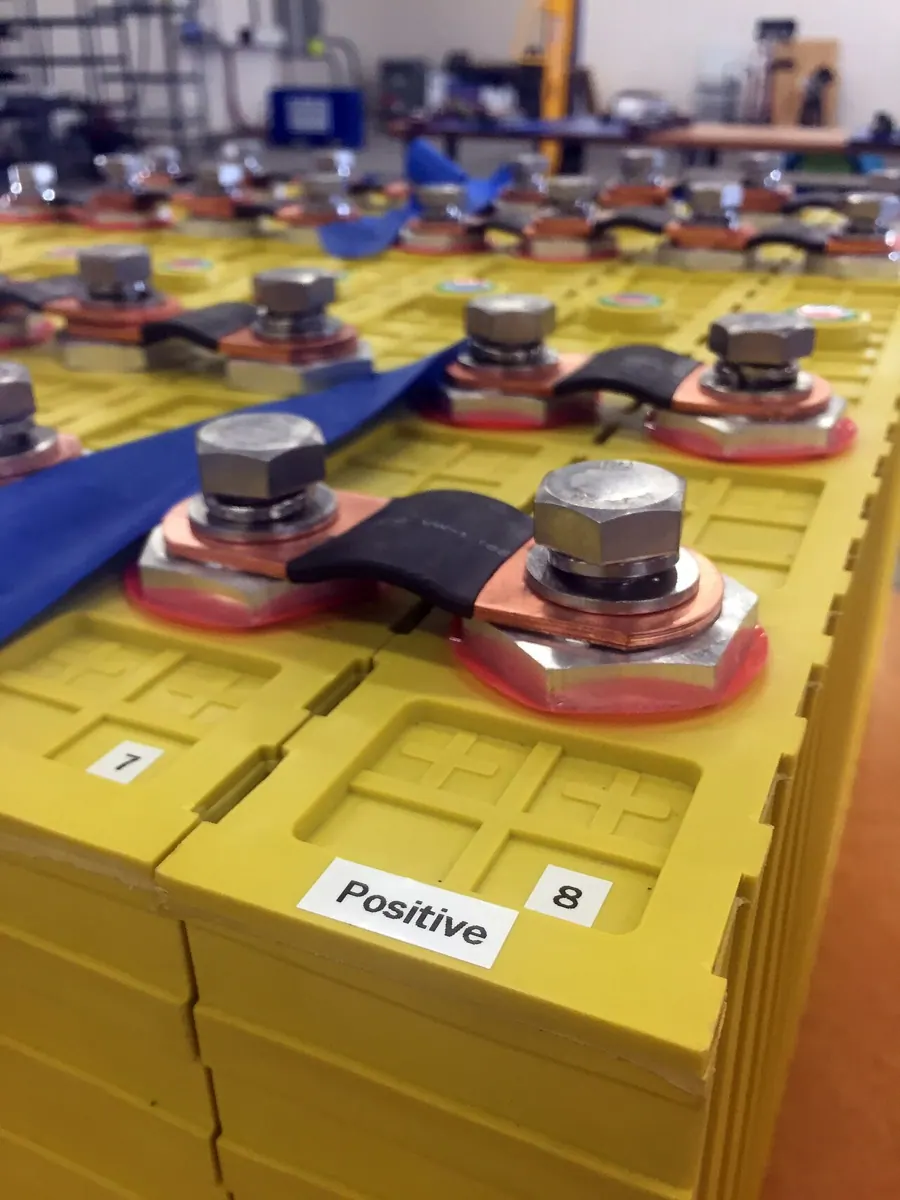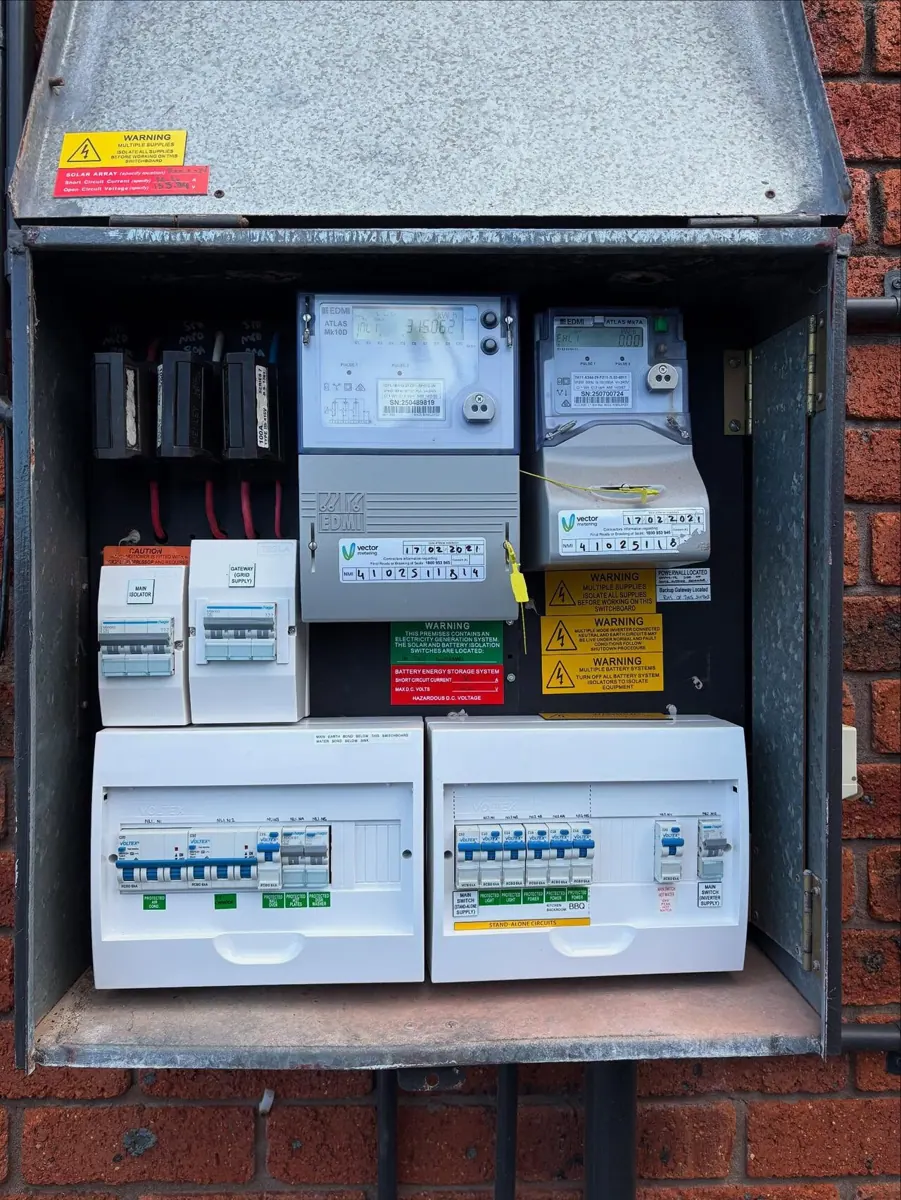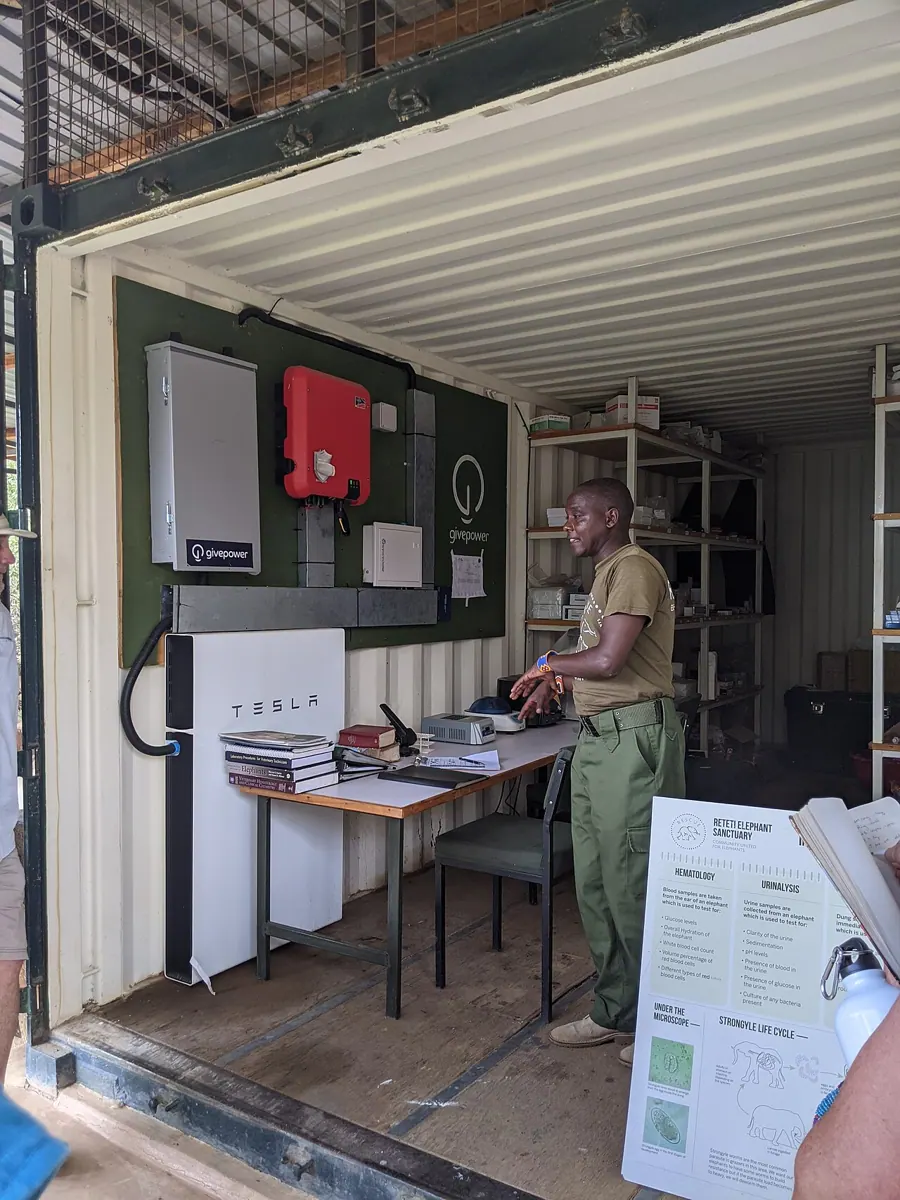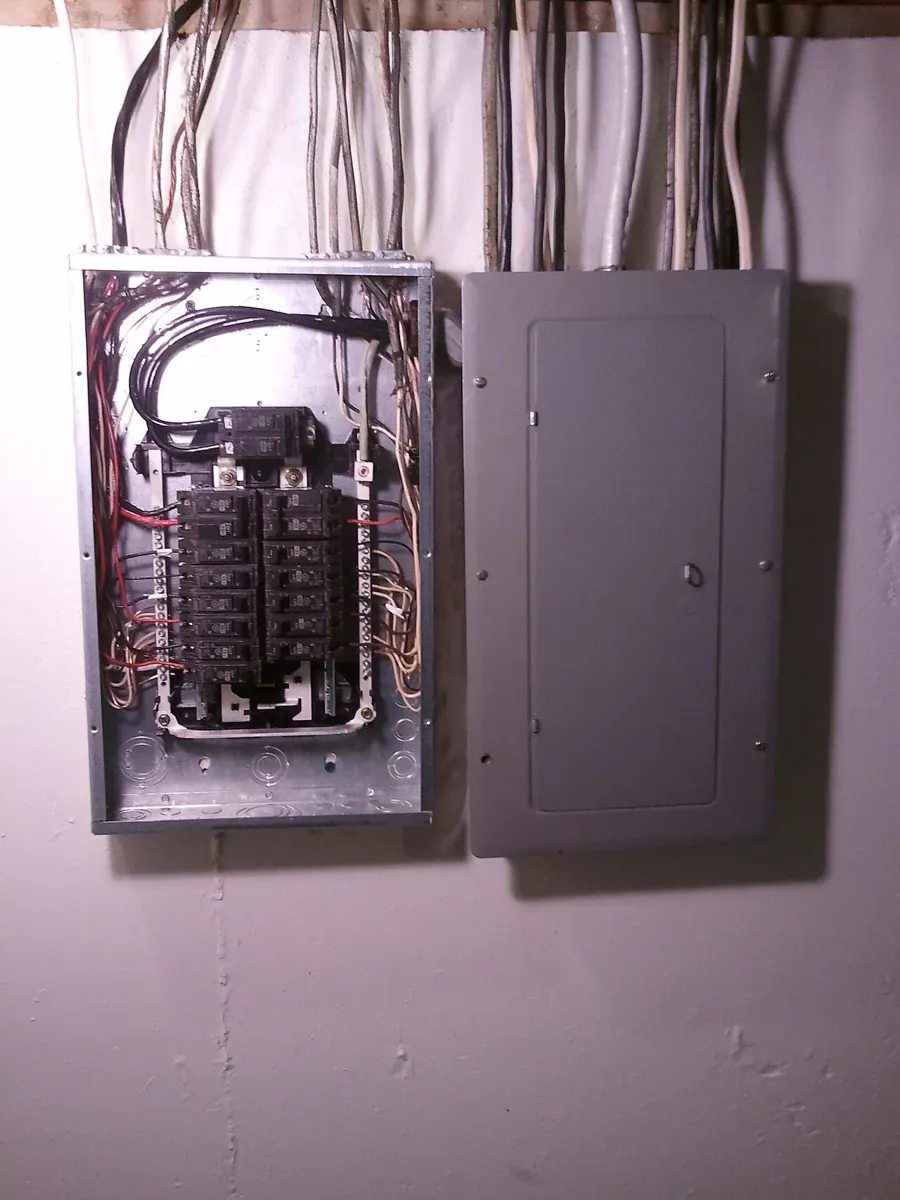
A household outage plan begins with priorities. Communications, lighting and refrigeration may be essential, while some high-power activities can wait. A battery system serving selected circuits can behave very differently from one designed for whole-home backup. The circuit list turns the idea of resilience into a concrete electrical scope.
Name the actual equipment
Write down the devices, their locations and how long they need to operate. Include equipment that is easy to overlook, such as an internet router or a powered gate. If a person depends on medical equipment, use the equipment provider's backup guidance and seek an appropriate professional plan. A general household energy estimate is not enough for a critical service.
Check startup and changeover
Some devices briefly need more power when starting. Others may be sensitive to even a short interruption. Ask the installer how the proposed system handles these situations and which circuits are excluded. A battery with sufficient stored energy may still be unable to start a particular load. The electrical design must address both quantity and delivery.
Practice the ordinary steps
Know how to read the battery state, reduce demand and locate instructions without internet access. Keep the backup plan updated after appliances or wiring change. Ask for an approved demonstration during commissioning rather than discovering the arrangement in an emergency. The most effective system is the one whose limitations are understood beforehand. Clear priorities and a tested operating procedure can provide more practical value than a vague promise that the entire home will continue as normal.