Solar
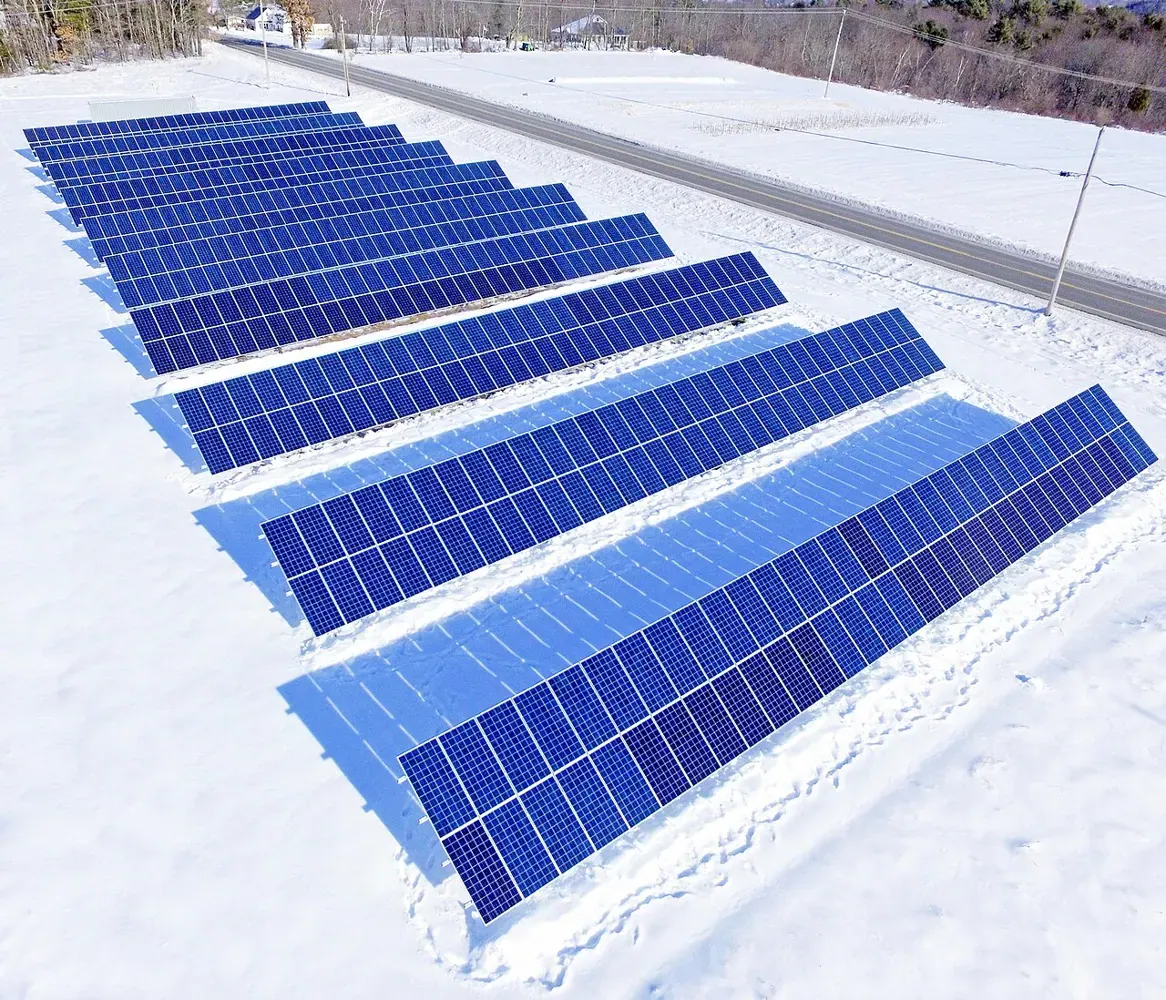
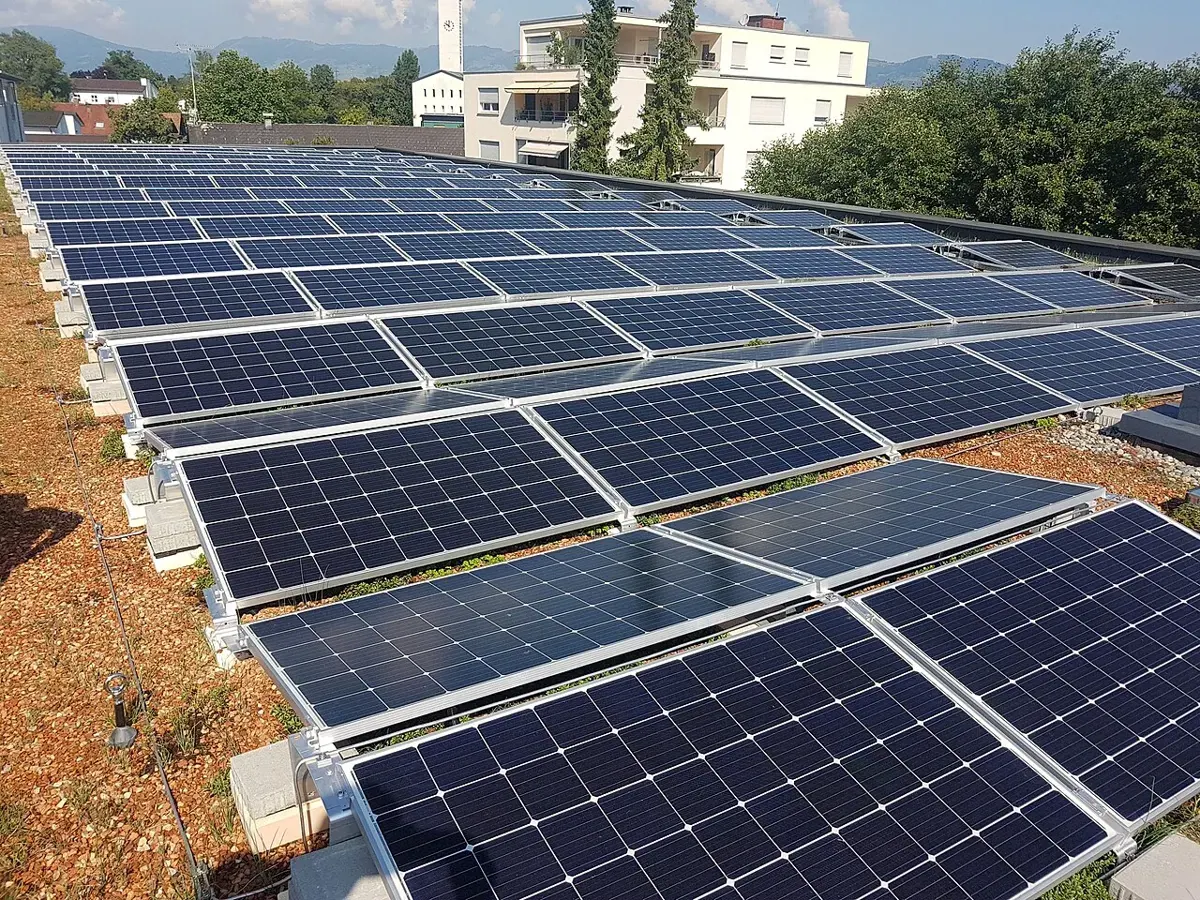
A sunny roof is only the beginning
The questions that turn rooftop solar from a promising idea into a useful home energy plan.
THE READING ROOM
100 original explainers. Ten ways to see energy a little more clearly.
100 articles to explore
The questions that turn rooftop solar from a promising idea into a useful home energy plan.
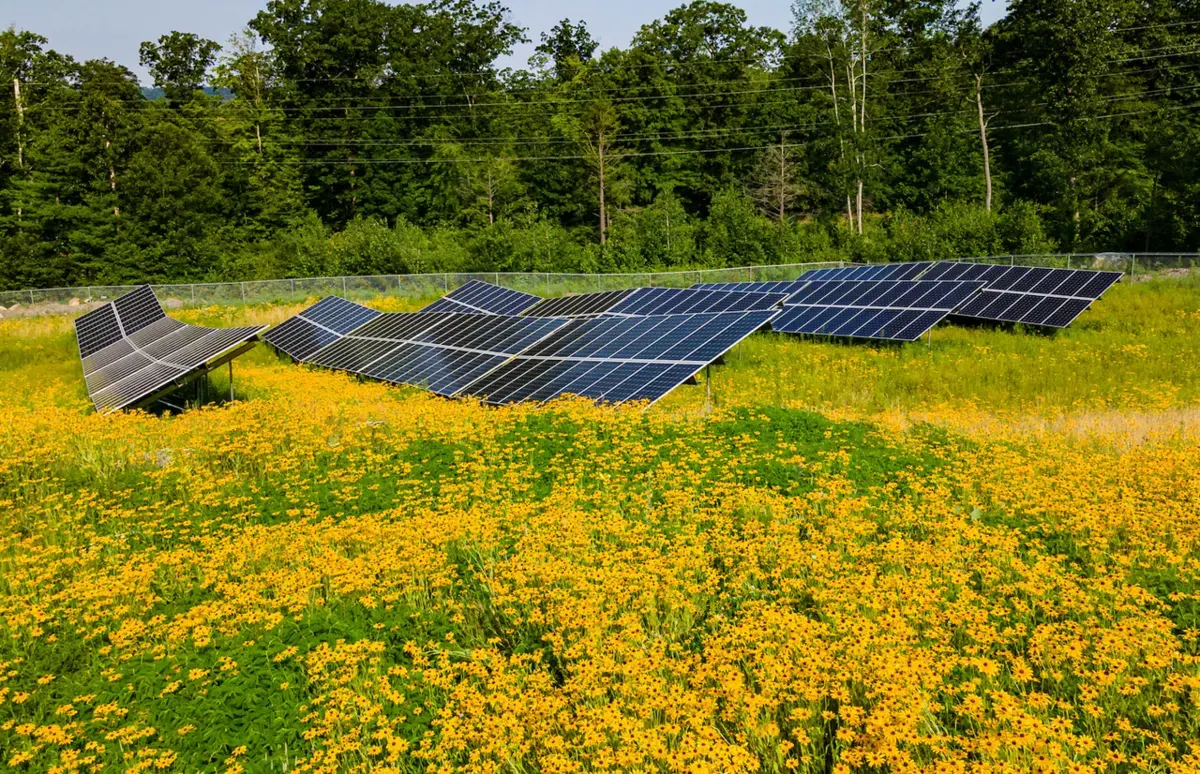
Cloud cover changes the amount and character of sunlight; it does not always switch generation off.
Why a chimney, tree or neighboring roof belongs in the design conversation.
Two ways to collect sunlight, with different equipment and different questions to ask.
Why the timing of generation can matter alongside its annual total.
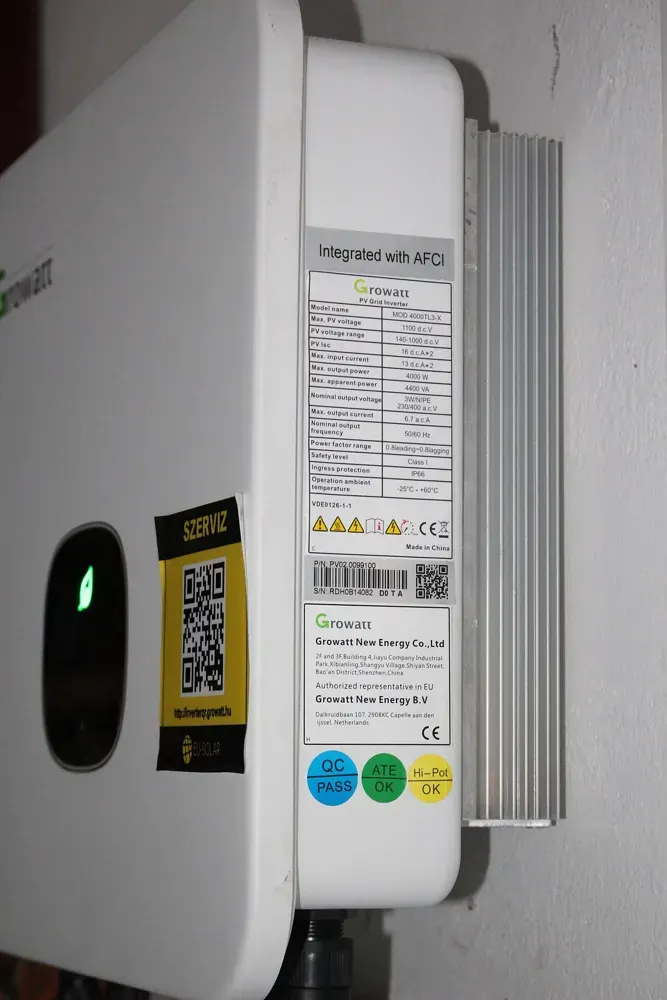
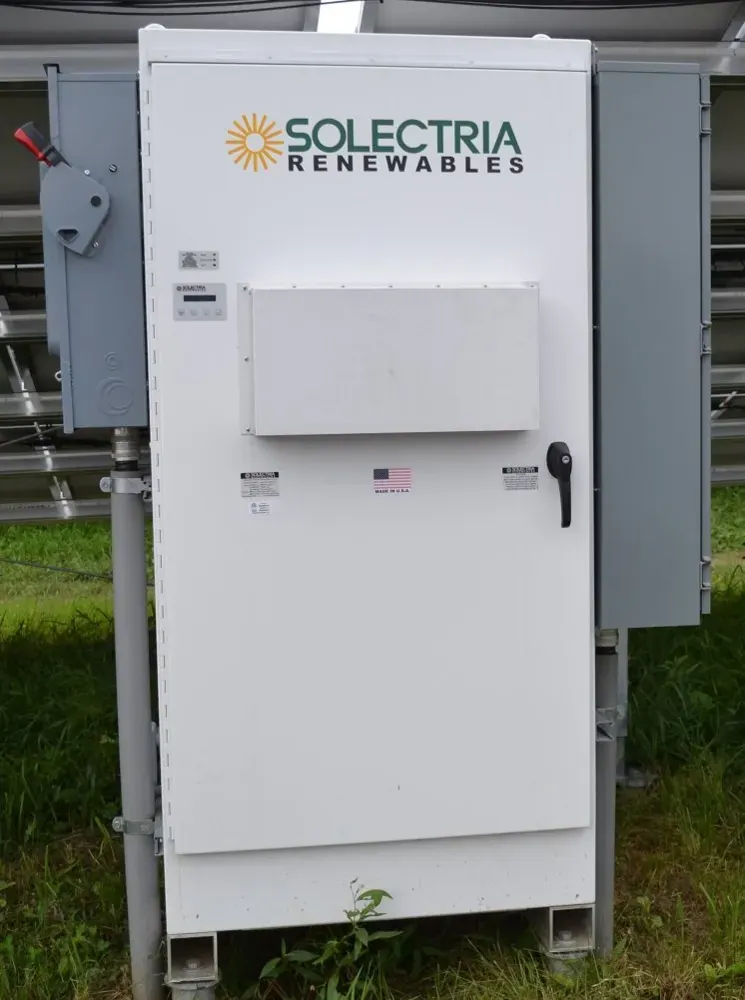
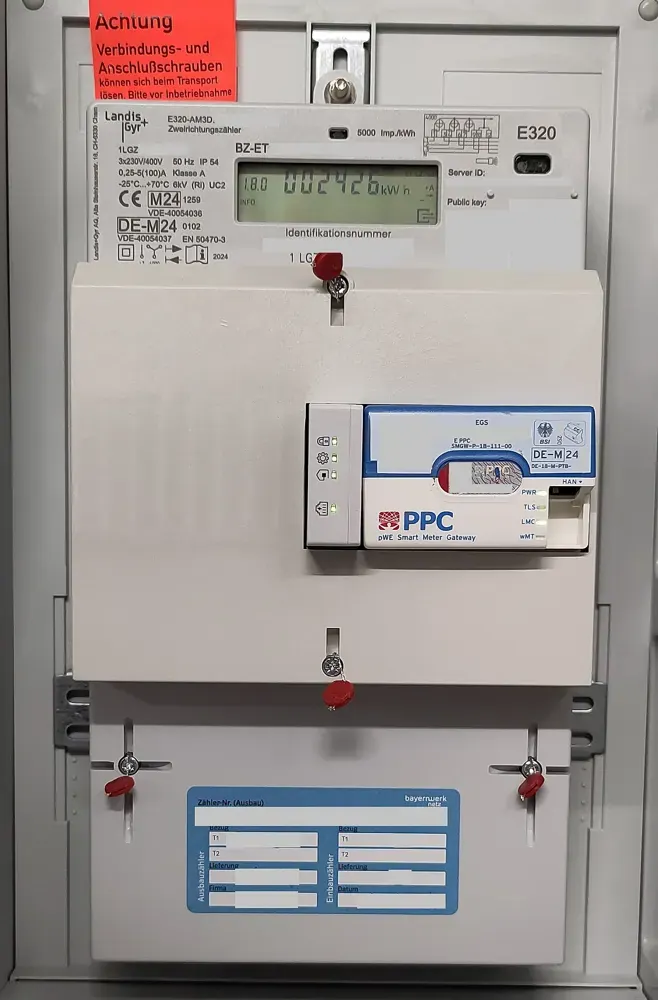
A plain-English look at the small box between the panels and the household.
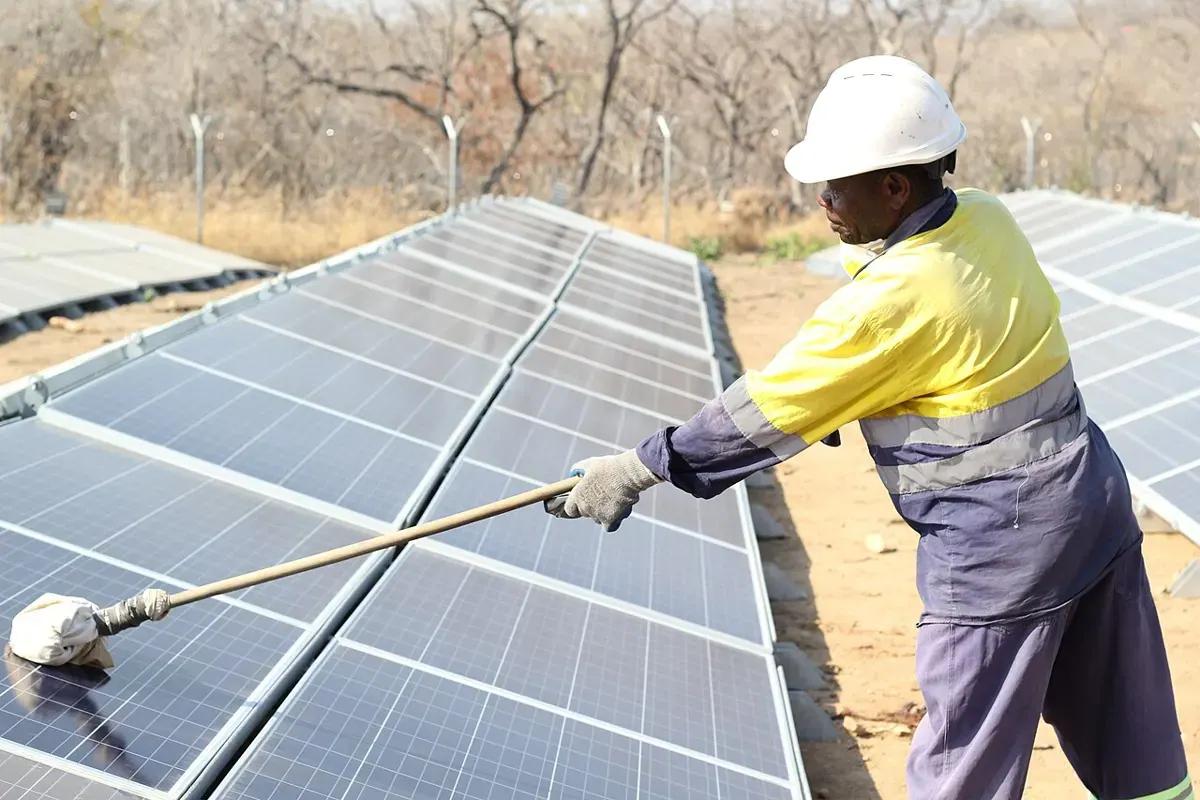
Most useful owner checks begin with records, monitoring and a safe view from the ground.
Panels in sunshine do not automatically mean power in the kitchen.
How a shared project can separate participation from owning a suitable roof.
The assumptions behind an annual kilowatt-hour figure are worth a closer look.
Follow the energy from a passing breeze to an electrical connection.
Height changes the airflow a rotor experiences, but also changes the project around it.
The sea offers an energy resource and a demanding place to build and maintain machinery.
Why a breezy garden is not enough evidence for a home turbine.
Turbines share the wind, which makes their spacing an engineering problem.
One ratio can describe production without explaining everything about a power source.
Several ordinary operating conditions can explain a stationary rotor.
Environmental assessment becomes more useful when it names species, places and actions.
Existing roads and connections can help, but a replacement project still needs a fresh look.
A practical way to turn a broad proposal into a set of answerable questions.
Before choosing new heating equipment, understand where heat escapes and comfort breaks down.
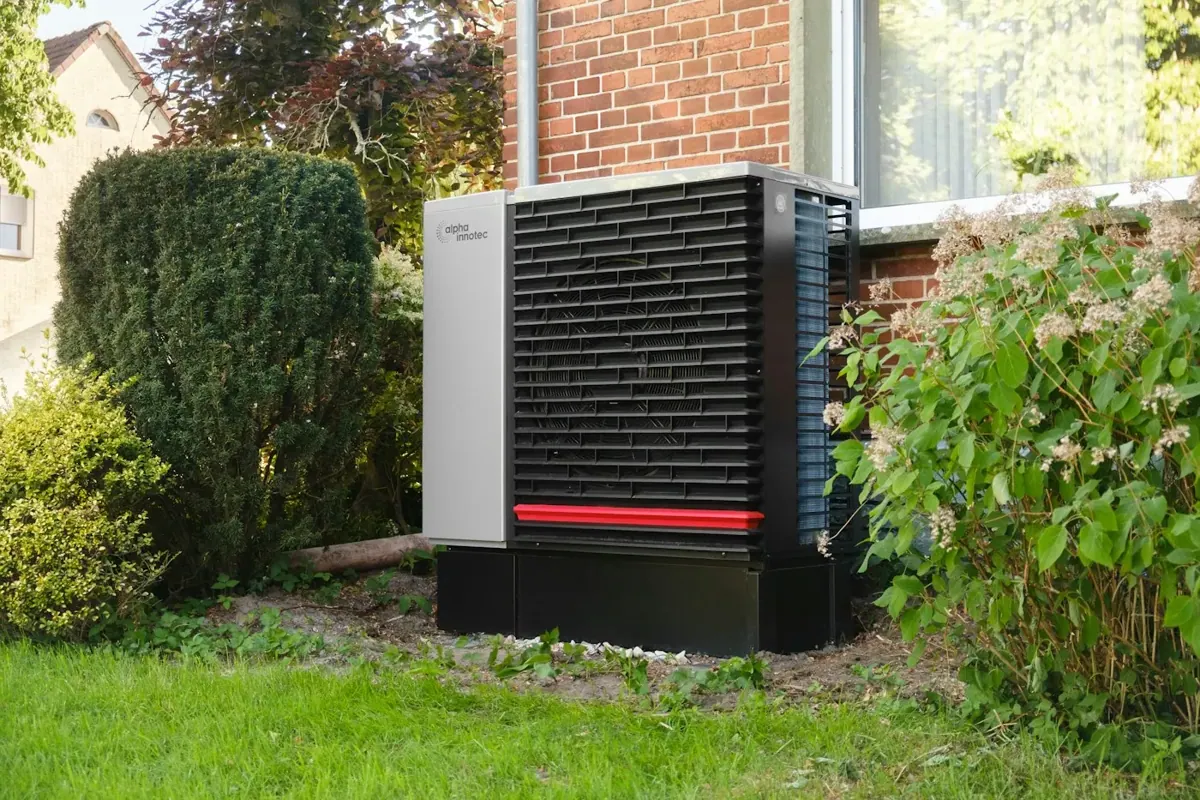
Why electrical input and delivered warmth are not the same quantity.
Stopping unwanted leaks should go hand in hand with providing deliberate fresh air.
Gaps, compression and moisture can undermine an otherwise sensible upgrade.
The best next step may be repair, shading or a full replacement, depending on the problem.
The surrounding space is part of the appliance's energy system.
A sensible heating routine depends on equipment, occupancy and how quickly rooms respond.
Wash temperature, load size and drying choices all influence the job.
The pan becomes part of the heating system, which makes compatibility important.
A few consistent records can turn vague impressions into better questions.
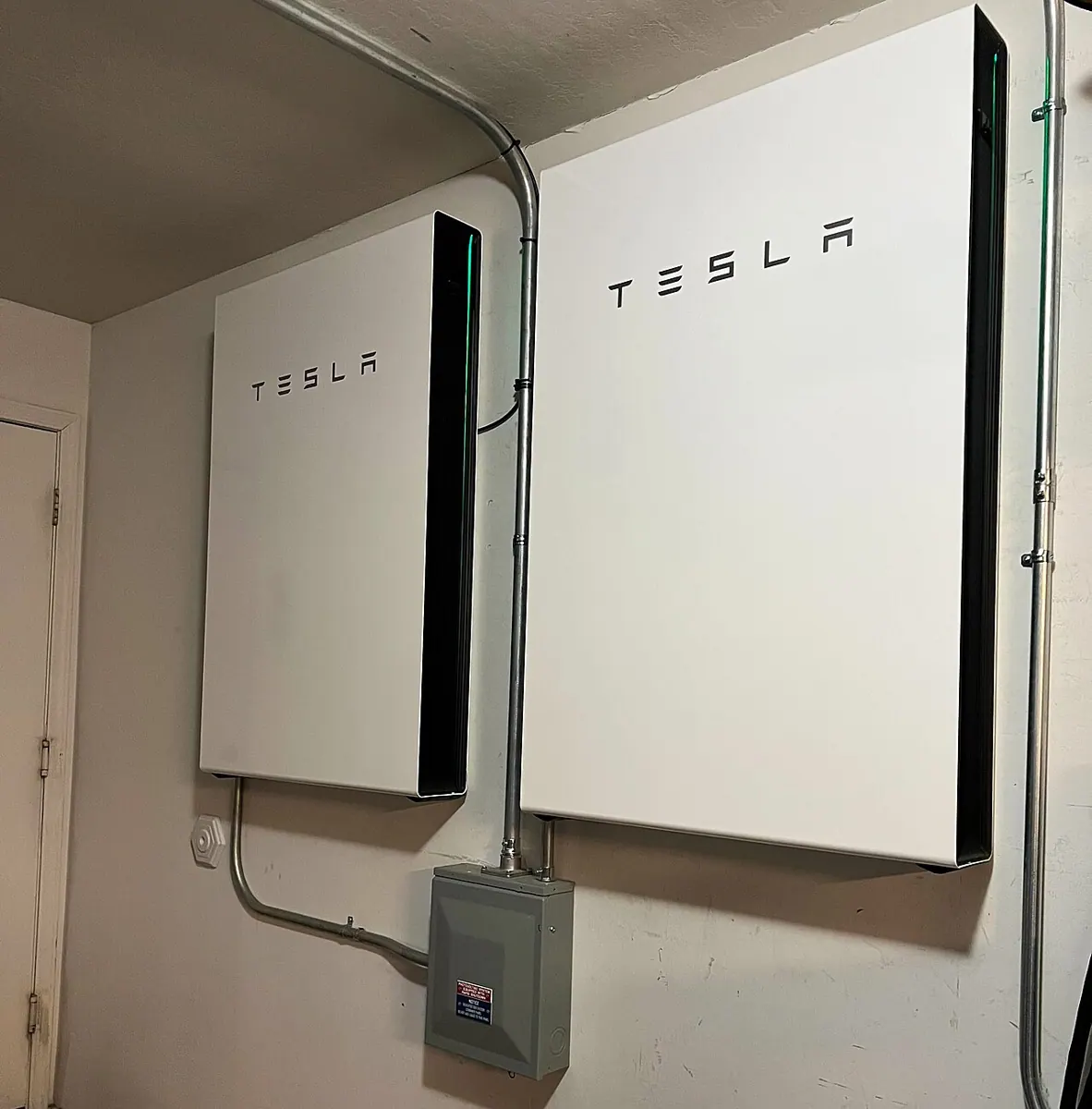
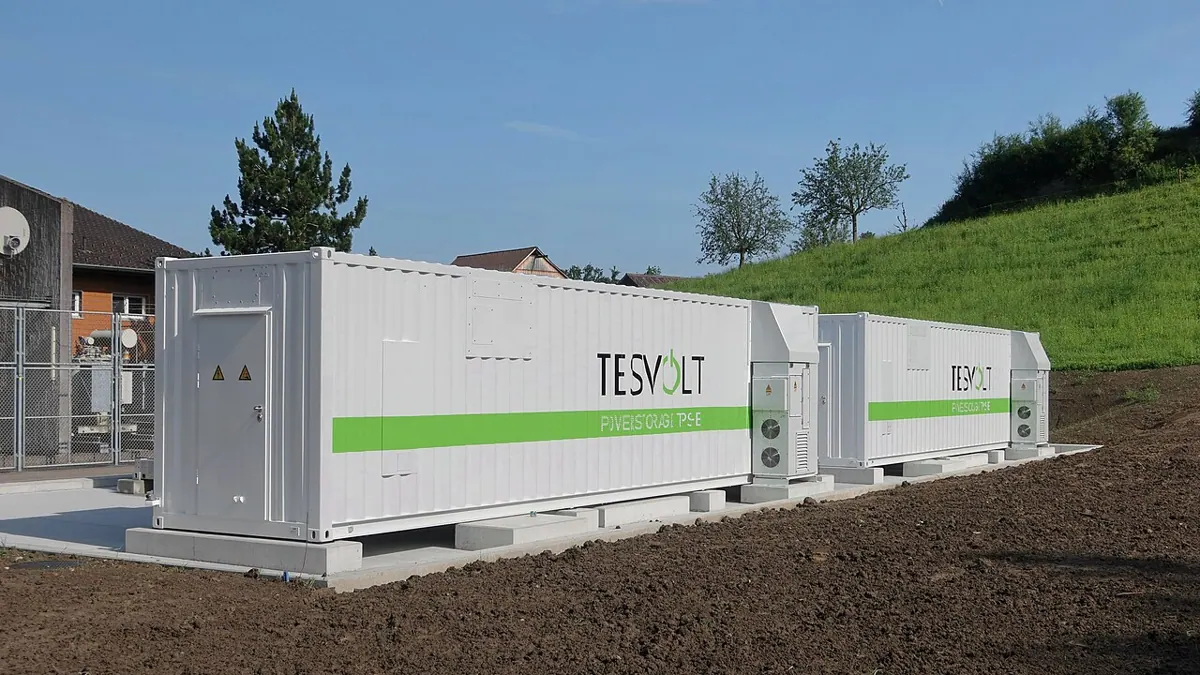
Backup power, tariff shifting and solar self-consumption are related but different goals.
One tells you the rate of delivery; the other tells you the quantity available.
Deciding what stays on is often more useful than choosing the largest battery.
Some energy is lost when electricity is stored and later returned.
Holding energy for an outage changes what is available for everyday savings.
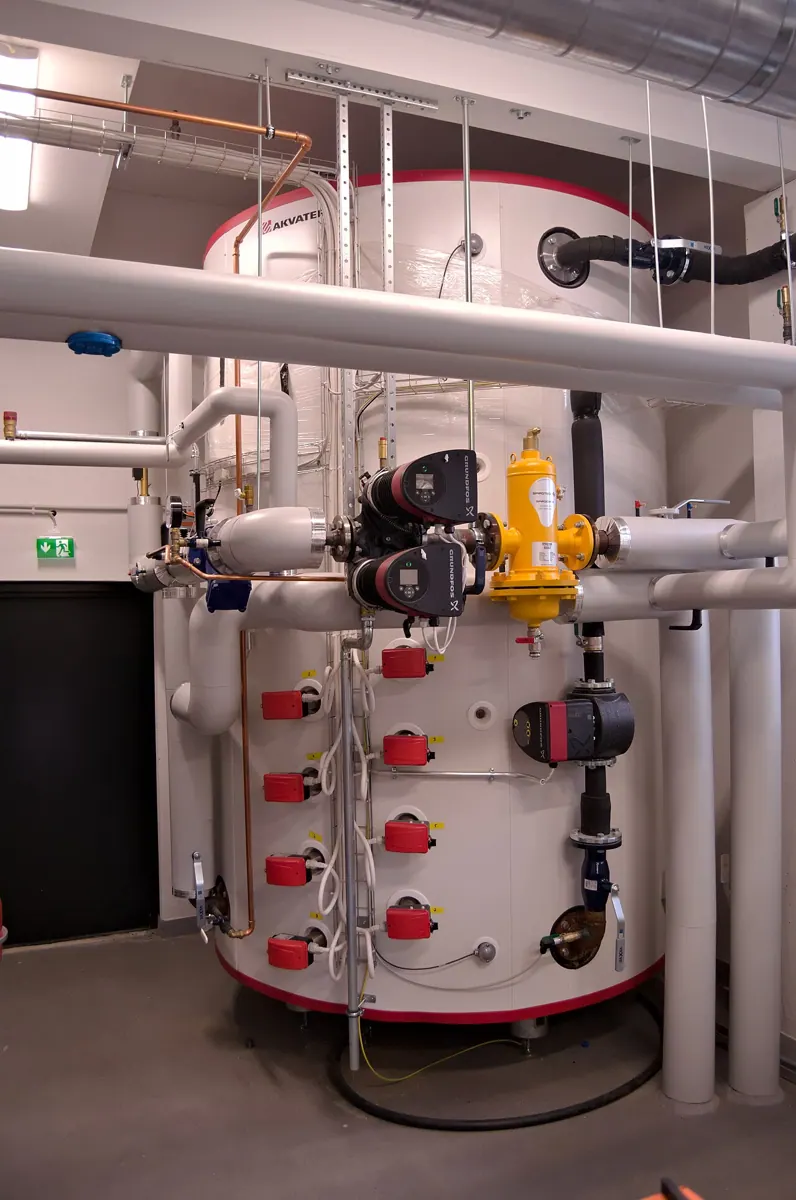
Two water levels can store energy without storing electricity inside a battery.
Hot water and other thermal stores can shift an energy service through time.
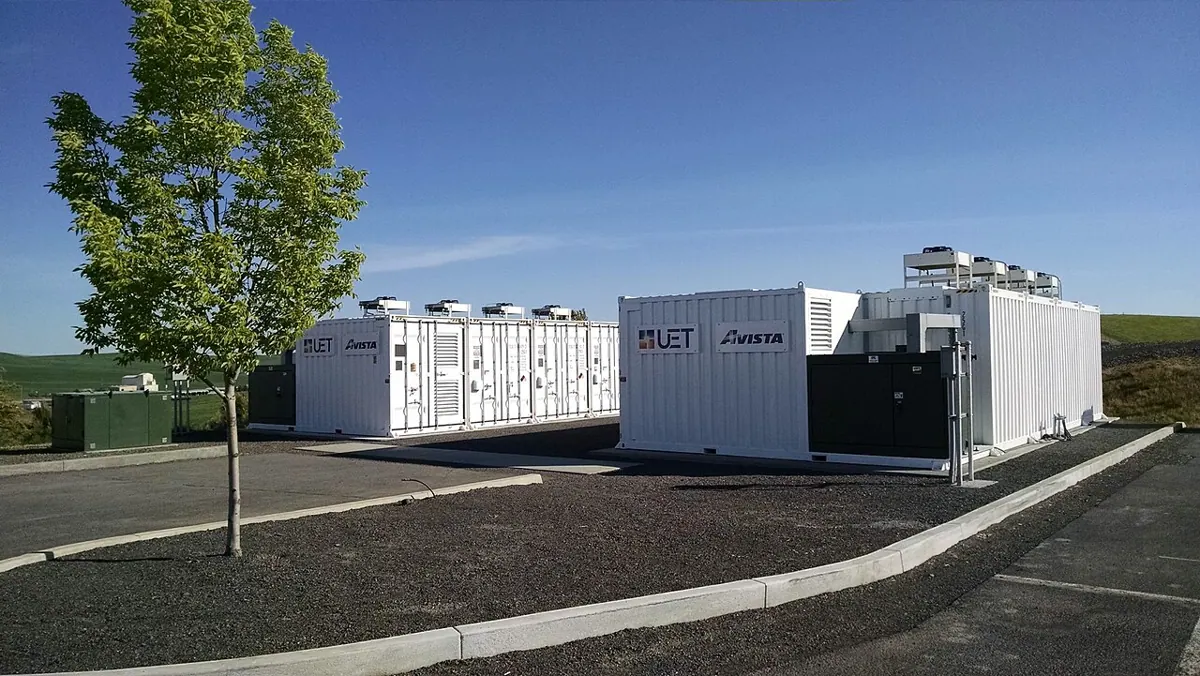
Many small devices can act together, provided the rules and controls are clear.
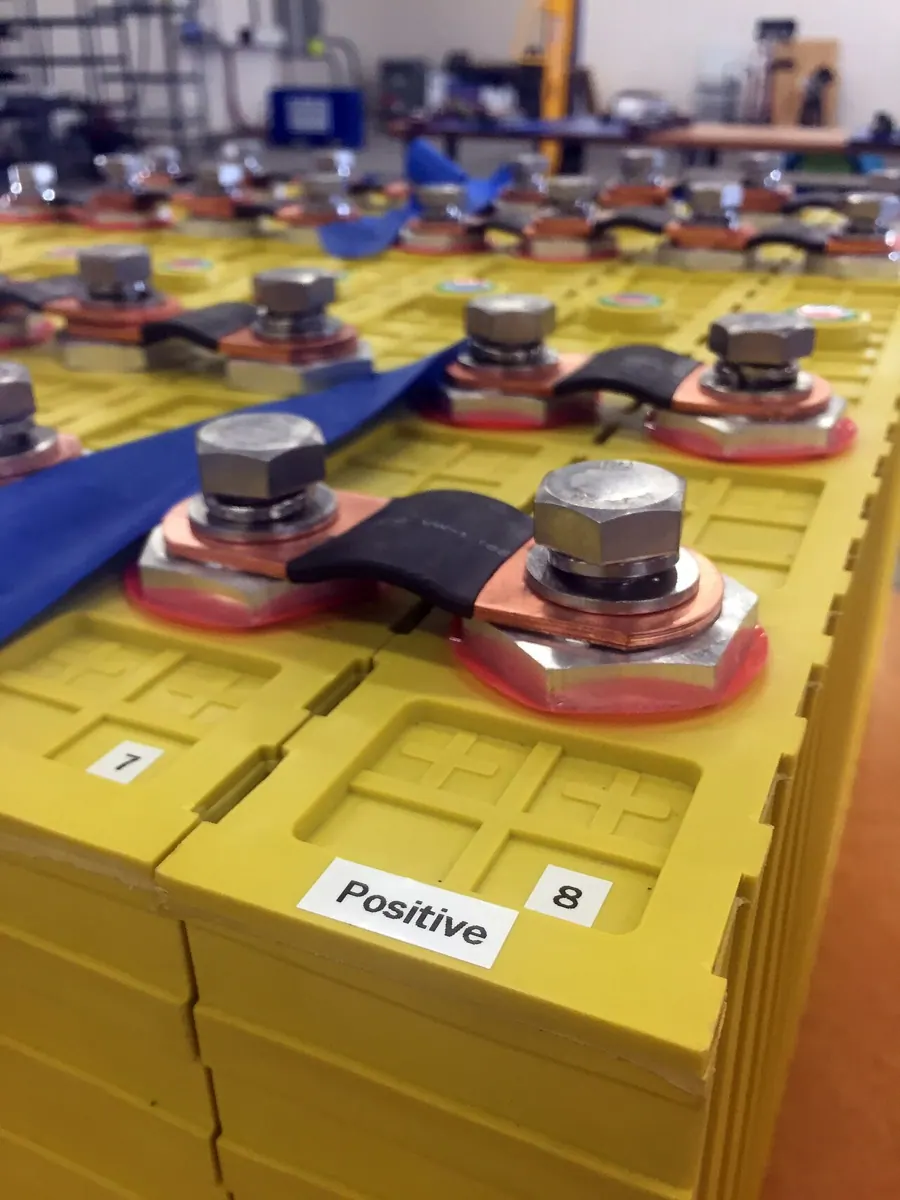
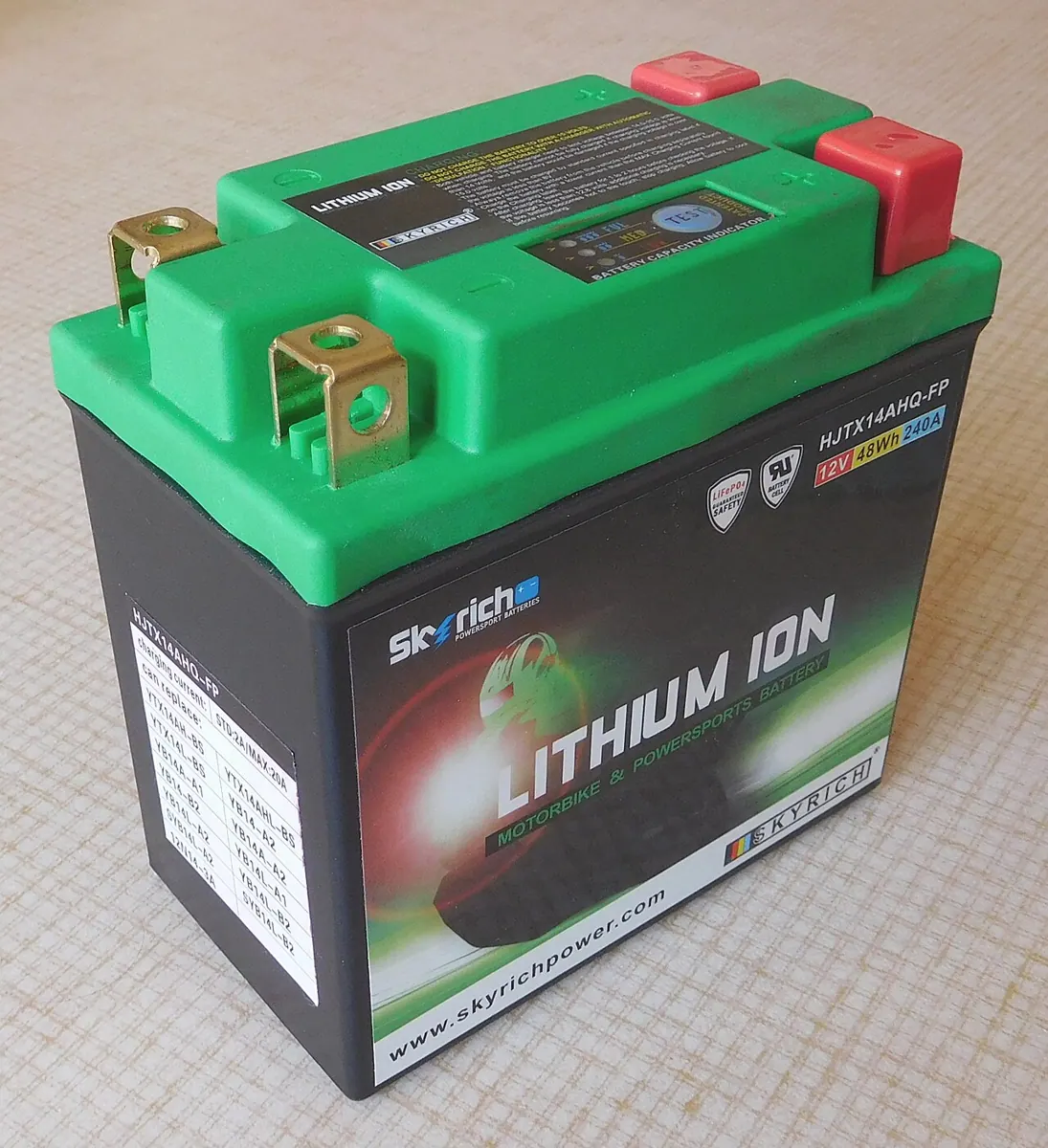
Installation, controls and product quality matter alongside the materials inside the cells.
Keeping power flowing for longer periods changes the technologies and tradeoffs worth considering.
Where a car spends the night can matter more than its biggest charging headline.
Peak power describes one part of a charging session, not the entire stop.
Parking rights, power capacity and billing need to be designed together.
Cabin heating, battery conditions and road conditions all deserve space in the plan.
Recovering some motion energy is useful, but smooth anticipation still matters.
The most meaningful comparison starts with what changes in the travel routine.
Electrification does not make weight, size and aerodynamics disappear.
A shared charger needs a fair routine as much as it needs a power connection.
Frequency, connections and occupancy shape what a bus or train can achieve.
Bidirectional charging is a system capability, not an automatic feature of every electric car.
Electricity systems coordinate changing supply and demand continuously.
Some energy use can shift in time while still delivering the same service.
Good renewable resources and large electricity demand do not always share a location.
Understanding why output is reduced helps identify the right remedy.
Local generation alone does not make a site capable of operating independently.
A cheaper period can be useful only if enough demand can move into it.
More detailed data can improve decisions without creating savings on its own.
Environmental claims and physical electricity flows need different explanations.
New generation and large loads need a workable relationship with the network.
Enough annual energy is only one part of keeping electricity available.
Flow, seasons and ecology shape the energy available from moving water.
A smaller reservoir changes the design, but does not remove ecological questions.
The shared name can hide very different temperatures, depths and equipment.
The buried part of a heat-pump system deserves attention before the garden is restored.
Accessing underground heat can require more than finding naturally flowing hot water.
Shared pipes can connect useful heat sources with demand, if the system is designed well.
Useful fuel can be recovered from organic material, but leaks and feedstocks matter.
Regrowth, land use and timing determine more than the label alone can tell you.
Knowing when the tide changes is helpful, but marine engineering still determines delivery.
Capturing ocean motion and enduring storms are two sides of the same design problem.
Reuse is most useful when the equipment can still provide a safe, documented service.
Glass, metals and other layers need practical recovery routes, not just a recycling symbol.
Stationary reuse depends on condition, history, controls and a suitable application.
The route into the recycling system matters before any metal can be recovered.
Composite structures are strong and light, but difficult to separate into original ingredients.
Keeping useful equipment working can avoid more than the cost of a replacement.
Operating energy is important, but products also require energy before their first use.
Energy technologies use different materials, and responsible sourcing needs specific evidence.
A long number of years is only useful when the covered problem and remedy are clear.
Recyclable, collected and actually recovered describe different stages.
A quiet period can reveal which devices keep working after everyone goes to bed.
Brightness, placement and controls matter as much as the bulb technology.
Shading, air movement and cooling equipment work best when their roles are clear.
The amount of hot water delivered matters alongside the efficiency of the heater.
Match equipment and operating hours to the work actually being done.
Batching, appliance fit and food storage can reduce repeated work.
Useful observations and reversible changes can still improve daily comfort.
People leave with more confidence when the session solves a specific problem.
A small experiment can reveal whether an energy habit makes a meaningful difference.
Review the things that change with weather and leave the rest alone.
Clear language makes energy comparisons easier to follow.
Producing a fuel is only the beginning of an energy pathway.
Using less energy for a service can make cleaner supply easier to provide.
A fair comparison follows equivalent services across equivalent boundaries.
An efficient service can become cheaper or easier to use, changing behavior.
The phrase becomes meaningful only when the accounting is explained.
Percentages need a reference point before they can tell a useful story.
An attractive total can hide an uneven distribution of costs and advantages.
Scenarios reveal how assumptions change the result instead of hiding uncertainty in one number.
A practical sequence can turn a large subject into manageable decisions.
Try a different search or topic. Save an article with its “Save for later” button to add it to your reading list.