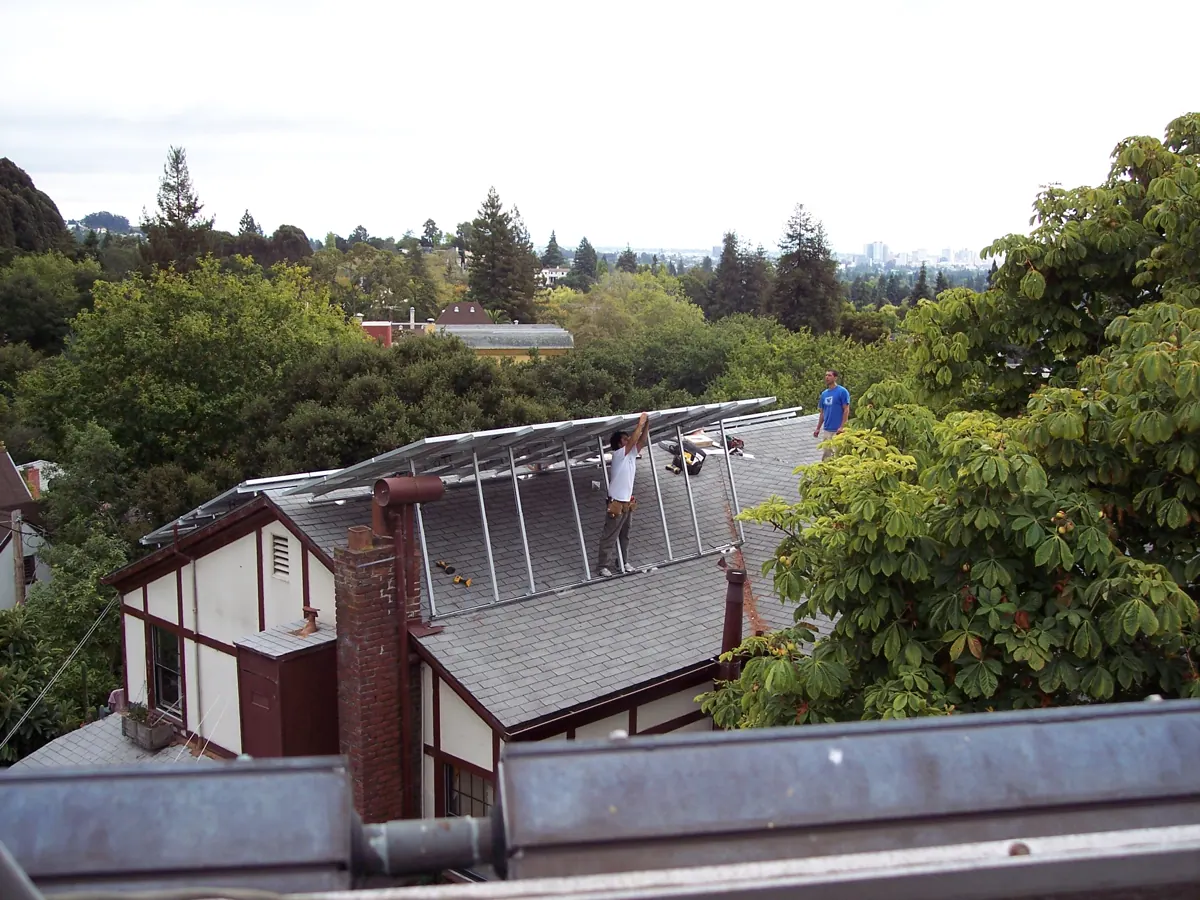
A removed solar panel is not automatically waste, but it is not automatically ready for another roof either. Age, damage, electrical condition and documentation influence whether reuse is appropriate. A panel that still produces some electricity may nevertheless be unsuitable for a new installation. Testing and compatibility matter.
Establish what the panel is
Retain the manufacturer, model, serial information and original specifications where available. Physical dimensions, electrical characteristics and connectors affect integration with other equipment. Mixed collections of unidentified panels can be difficult to design around. A cheap purchase becomes less attractive if safe installation requires extensive additional work.
Distinguish reuse from recycling
Reuse keeps the panel performing its original function. Recycling recovers materials after the product is no longer suitable for service. The better route depends on condition, expected remaining output and the practical destination. Shipping damaged equipment long distances under a reuse label does not create an environmental benefit by itself.
Plan the next owner relationship
Clarify testing, warranties, installation responsibility and eventual end-of-life handling. Qualified people should assess electrical safety and system compatibility. If reuse is not appropriate, use a legitimate collection or recycling route that accepts the equipment. The circular value of a panel depends on a real next use, not merely avoiding the word disposal. Good records at the first installation make that later decision easier, which is one reason to preserve documentation long before the panel reaches the end of its first service life.