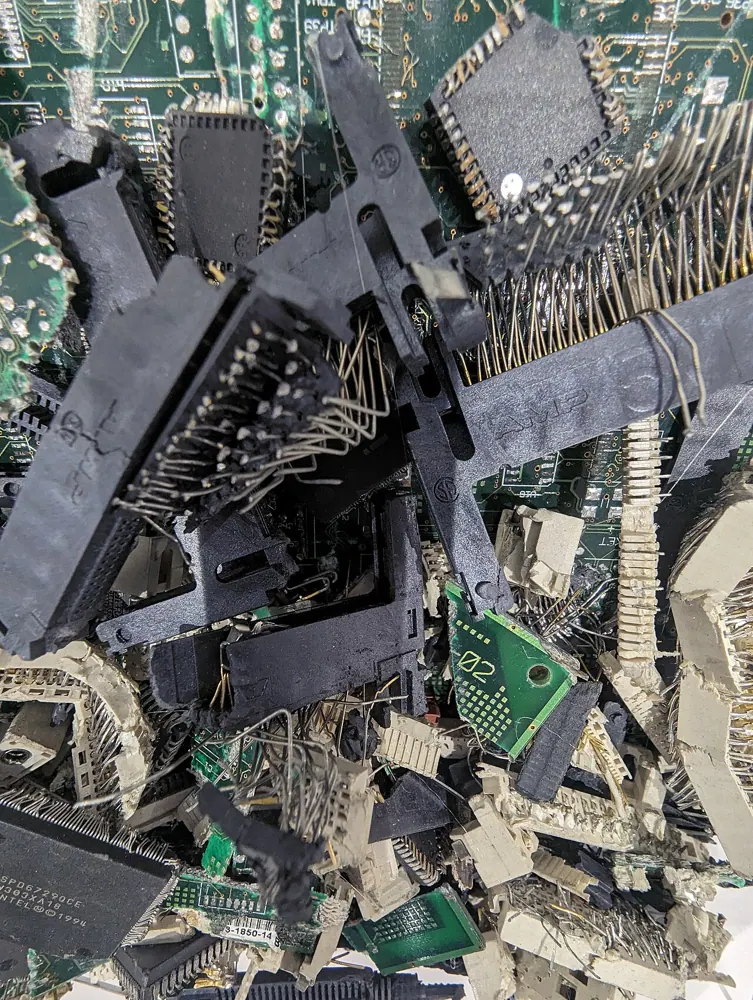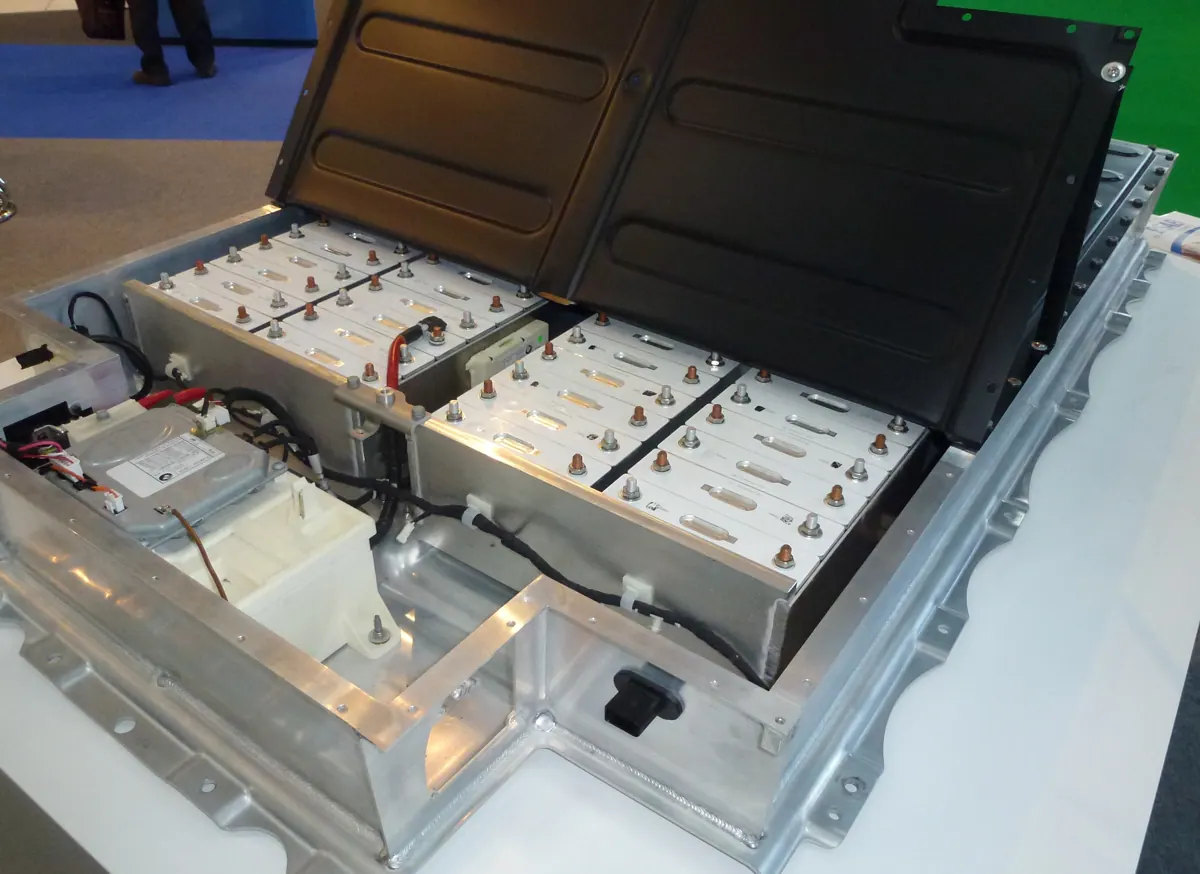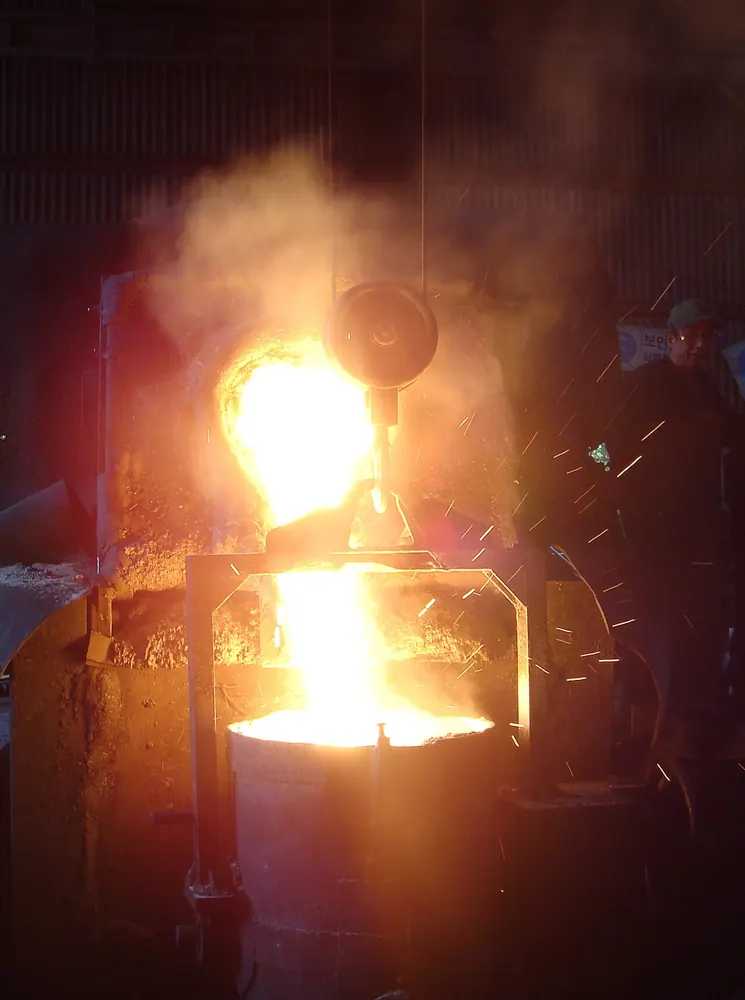
Embodied energy refers to energy used across the processes that create and deliver a product, with the exact boundary depending on the assessment. Mining, manufacturing and transport can all contribute. This is distinct from the energy consumed during operation. A complete comparison needs to keep both in view without mixing incompatible boundaries.
Define the service being compared
Two products should be assessed for an equivalent useful function over a stated period. Comparing one efficient appliance with several replacements of another requires clear lifetime assumptions. Size and capacity also matter. A smaller product and a larger one may not deliver the same service, even if both carry the same broad label.
Keep energy and emissions separate
Embodied energy is not the same as embodied greenhouse-gas emissions. The energy source affects emissions, and other manufacturing processes may release greenhouse gases too. Use the metric that answers the question and state its unit. A low energy total does not automatically imply the lowest impact in every category.
Use the concept to improve decisions
Durability, appropriate sizing, maintenance and material recovery can all influence lifecycle performance. Operating savings may justify replacement in some cases, while extending service may be preferable in others. Avoid turning embodied energy into a slogan that forbids any upgrade. Its purpose is to widen the comparison so that the factory, transport route and service life remain visible alongside the electricity meter in the home.