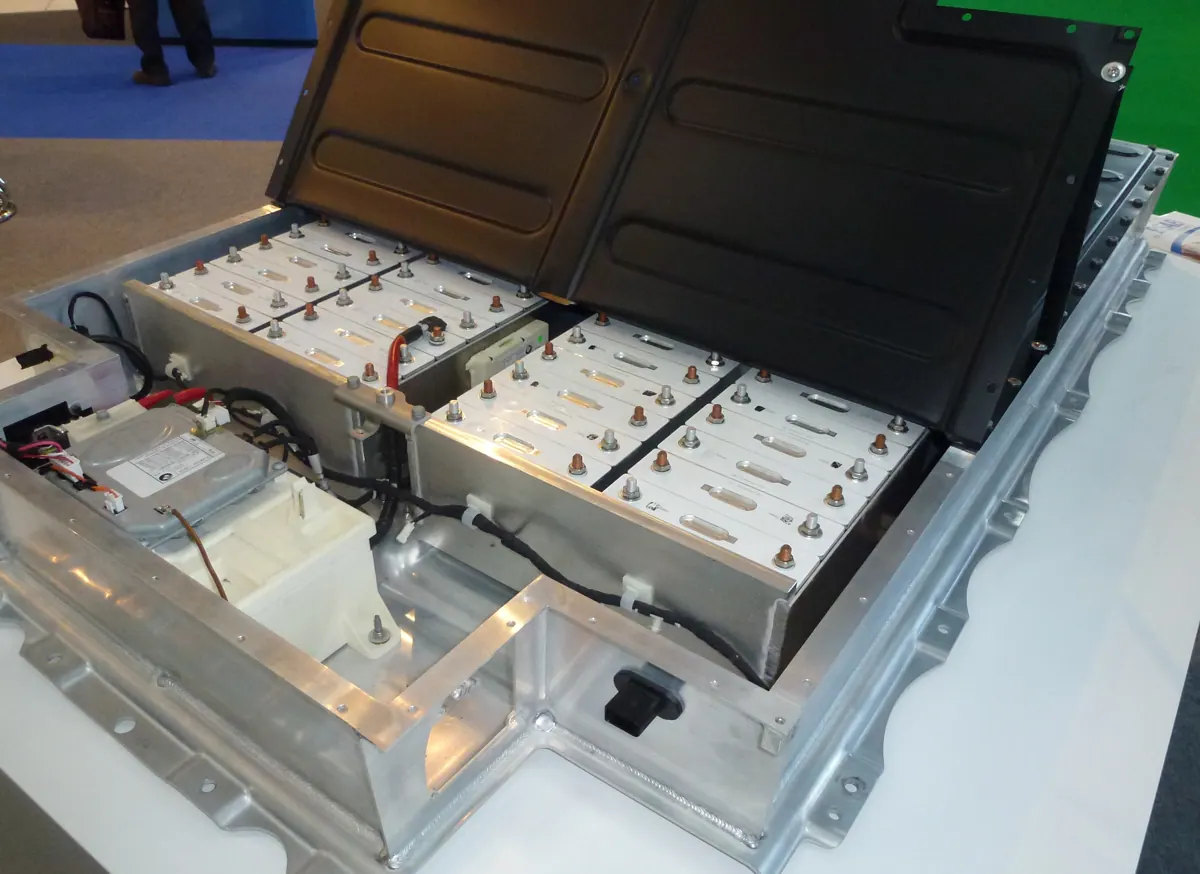
A vehicle battery may retain useful energy capacity when it is no longer ideal for its original driving role. That creates interest in stationary second-life applications. Yet remaining capacity is only one part of suitability. The battery's history, consistency, safety condition and integration requirements all need assessment.
Establish a trustworthy history
Usage, temperature exposure, faults and physical damage can affect the decision. A battery assembled from modules with very different behavior may be difficult to manage. Testing should support a specific intended application rather than merely demonstrate that the pack can still accept a charge. Traceability is valuable because hidden history creates uncertainty.
Engineer the complete system
Stationary use needs compatible controls, protection, enclosures and power conversion. Requirements differ from those of the original vehicle. Qualified specialists should handle assessment and integration; dismantling and repurposing high-energy packs is not a casual household project. A second-life label does not replace product and installation requirements.
Compare the real alternatives
Reusing a battery can extend its service, but transport, testing, integration and future recycling still consume resources. Some packs may be better directed to material recovery. The choice should reflect condition and a credible market for the service provided. A good second-life project explains the operating duty, warranty, monitoring and eventual destination. Circularity becomes meaningful when the reused equipment performs a reliable job and has a planned next step, rather than simply spending longer in storage under a hopeful description.