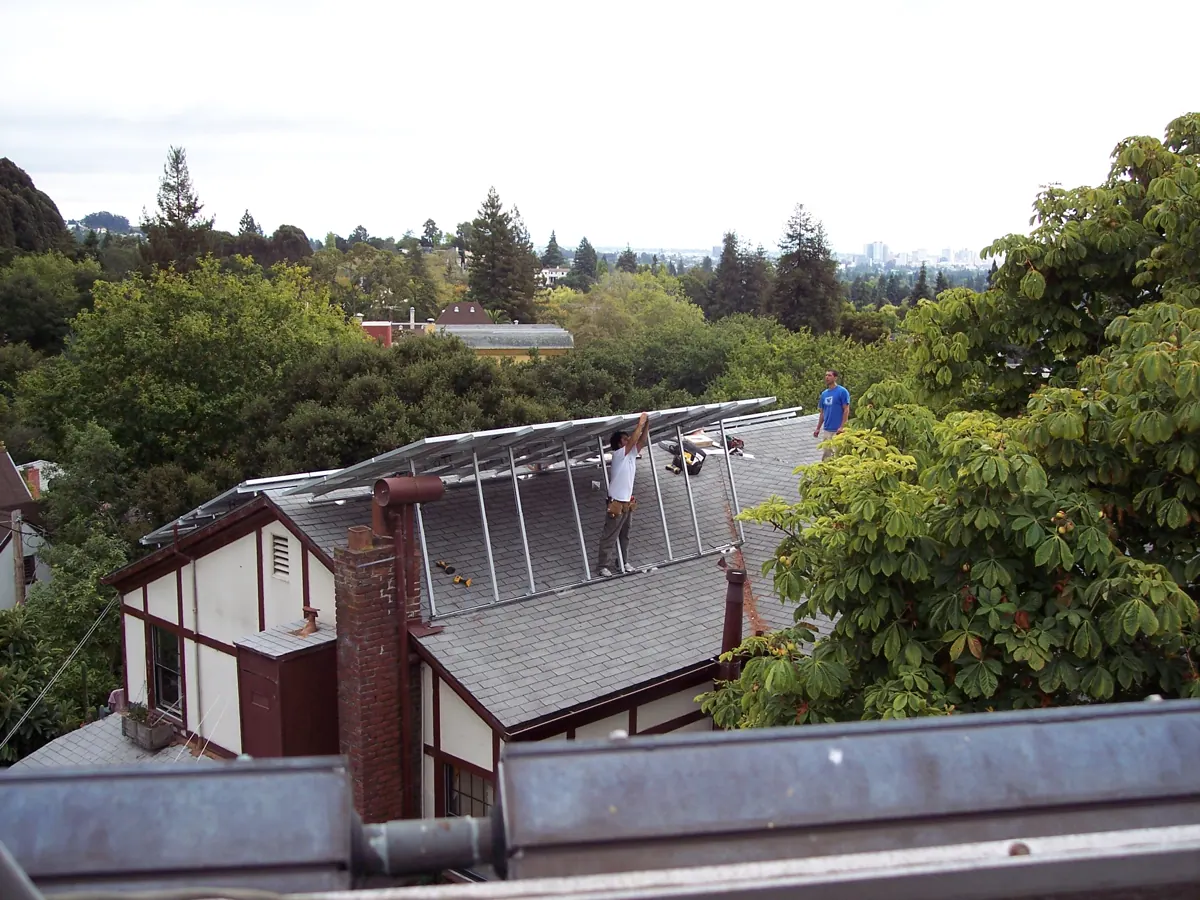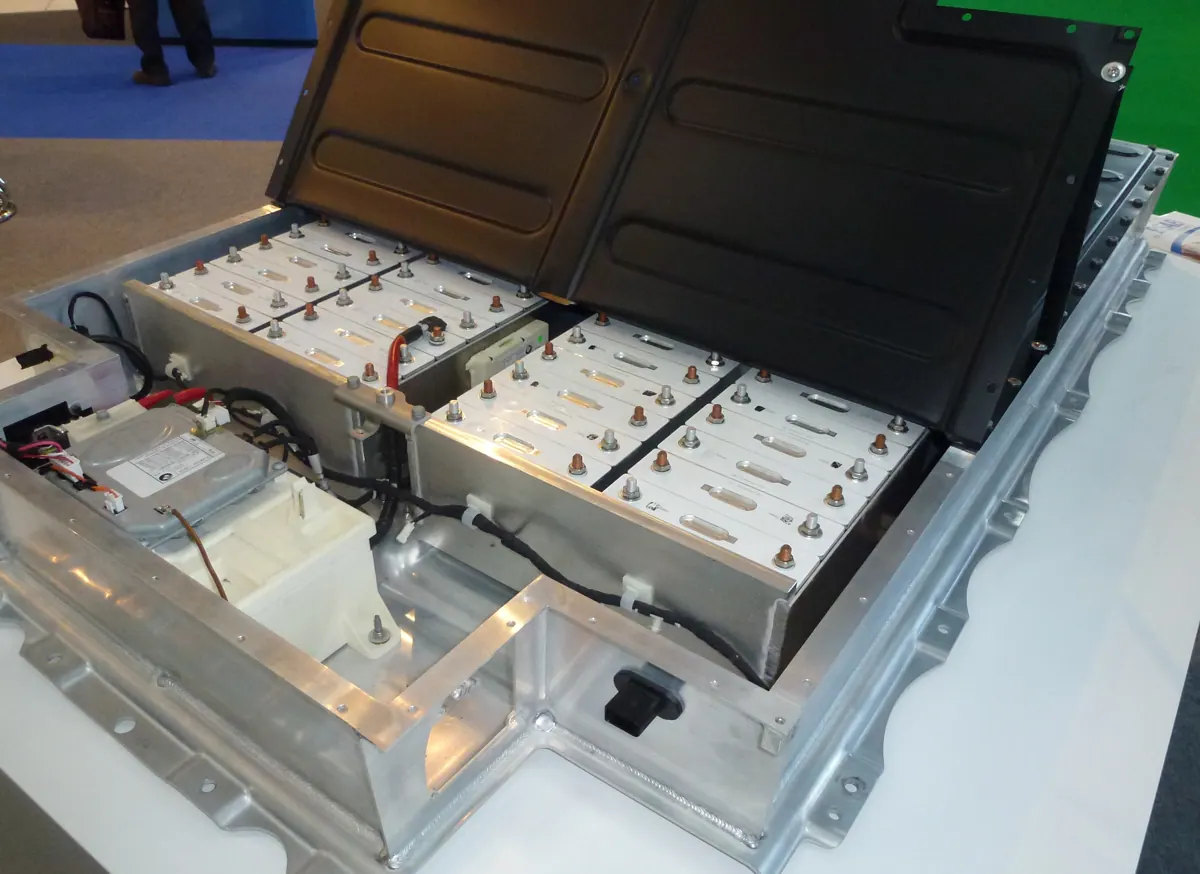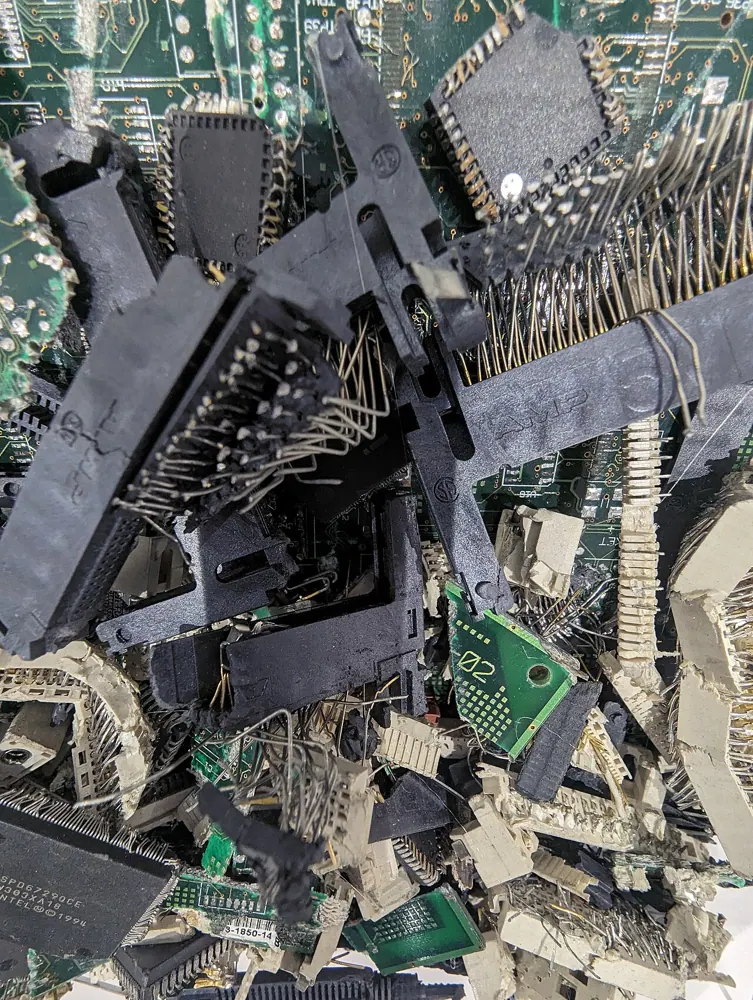
A photovoltaic panel combines several materials into a durable product. That durability helps it survive outdoors, but can make separation at end of life more demanding. Recycling aims to recover useful materials while managing the remaining fractions appropriately. The available processes and collection arrangements vary by region and panel type.
Ask what is recovered
A claim that a panel is recyclable does not reveal which materials a particular facility actually recovers or at what quality. Glass and aluminum may follow different routes from semiconductor materials and polymers. Ask for the receiving facility and the process used. A general promise is weaker than a documented destination.
Keep collection practical
Panels are large, fragile electrical products. Removal, packaging and transport should be handled appropriately. Broken units need suitable care, and owners should follow local waste requirements. Contact the installer, manufacturer or an authorized collection service rather than placing panels in ordinary household recycling.
Design for the later handover
Record model information and retain installation documents. Producers and project owners can improve outcomes by planning collection and recovery before large volumes reach retirement. Recycling is an important part of the solar lifecycle, but it does not erase the value of long service and repair where appropriate. The strongest material strategy combines durable equipment, useful operation and a credible recovery route. Each stage has its own job, and none should be used as an excuse to neglect the others.