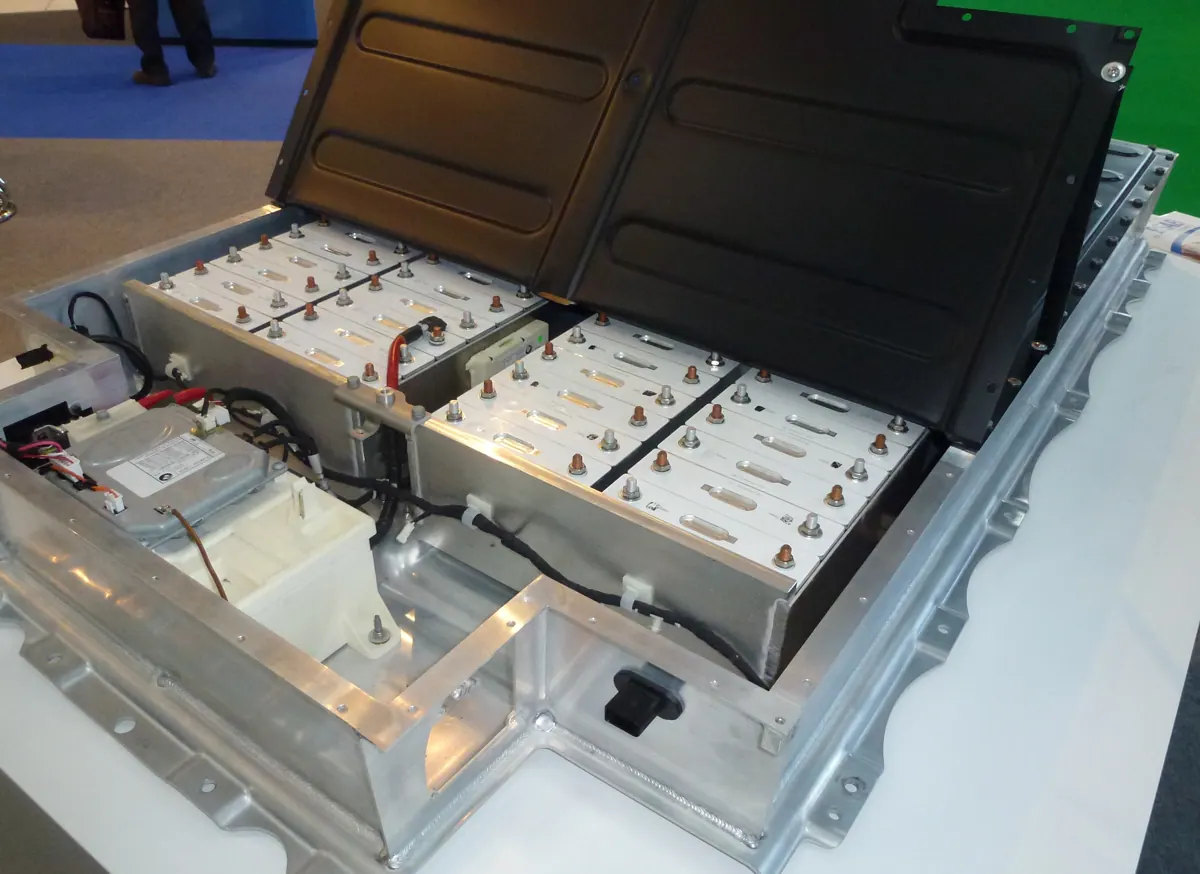
Batteries contain useful materials, but they also require appropriate handling. Different chemistries and sizes have different collection routes. A small household cell, an e-bike pack and a home storage battery should not be treated as interchangeable waste. The first practical step is identifying an accepted local service for the specific product.
Keep batteries out of the wrong stream
Do not assume that ordinary curbside recycling accepts batteries. Follow local collection guidance and manufacturer instructions, especially for damaged or swollen products. Storage and transport precautions can differ. If a battery is damaged or behaving abnormally, seek the appropriate professional or local waste-service advice rather than improvising a repair or mailing it casually.
Understand what recycling does
Recycling processes separate and recover materials for further use, with methods and recovery outcomes varying by chemistry and facility. A broad claim about metal recovery should be linked to an actual process. The value of recovered material also depends on quality and whether it can enter a useful production pathway.
Make return easy to remember
Keep product information and note the take-back route when buying equipment. For large installed systems, ask the provider who handles removal and end-of-life responsibility. Safe collection is the bridge between a retired product and a recovery facility. Without it, even a technically capable recycling process cannot help. A practical circular-energy plan therefore includes the unglamorous details: who collects the battery, how it is handled and where it goes next.