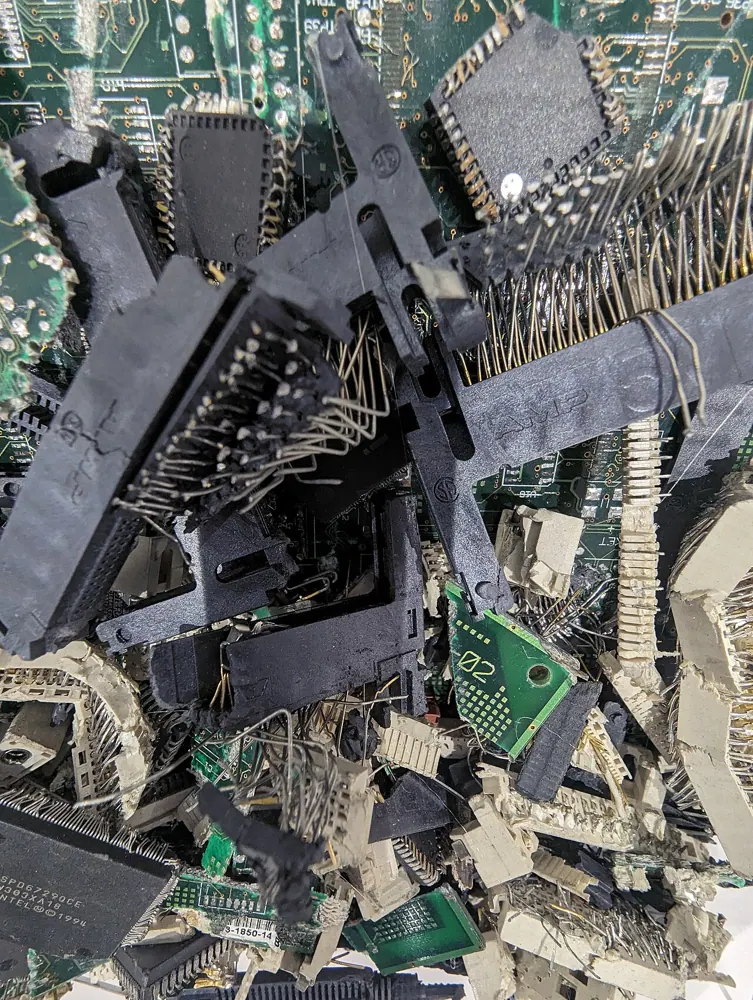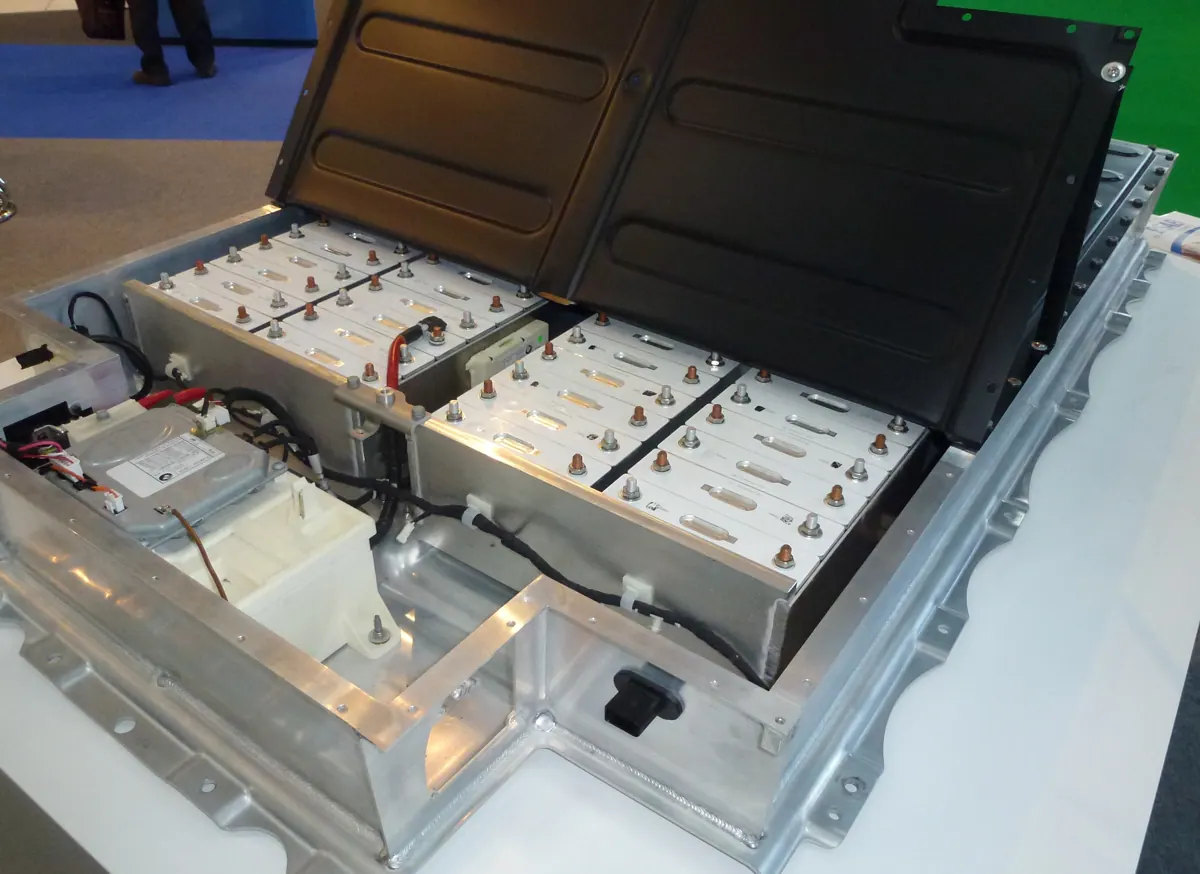
Energy products are often compared by their operating efficiency, while repairability receives less attention. Yet a device that can be maintained and repaired may provide its service for longer. Replacing an entire unit because one small component fails creates additional manufacturing and disposal needs. Repairability belongs in the purchase conversation.
Look for practical support
Ask whether spare parts, service information and qualified repair services are available. A long warranty is useful only if the process is workable. Clarify who pays for labor, transport and access to installed equipment. For connected products, continued software support and local controls can also affect usable life.
Avoid assuming repair is always the answer
Condition, safety, performance and the scale of the fault matter. Some older equipment may use substantially more energy than a suitable replacement. Compare the expected remaining service, repair scope and operational difference. The decision should be specific to the product rather than driven by a universal rule to keep or replace everything.
Keep the evidence close
Store manuals, model numbers, service records and warranty documents. Simple maintenance performed according to instructions can prevent avoidable failures. When a fault occurs, a clear history helps a technician diagnose it. Repairability is not a decorative sustainability claim; it is a set of ordinary provisions that make continued use possible. Choosing equipment with accessible support can protect both the household's investment and the resources already embodied in the product.