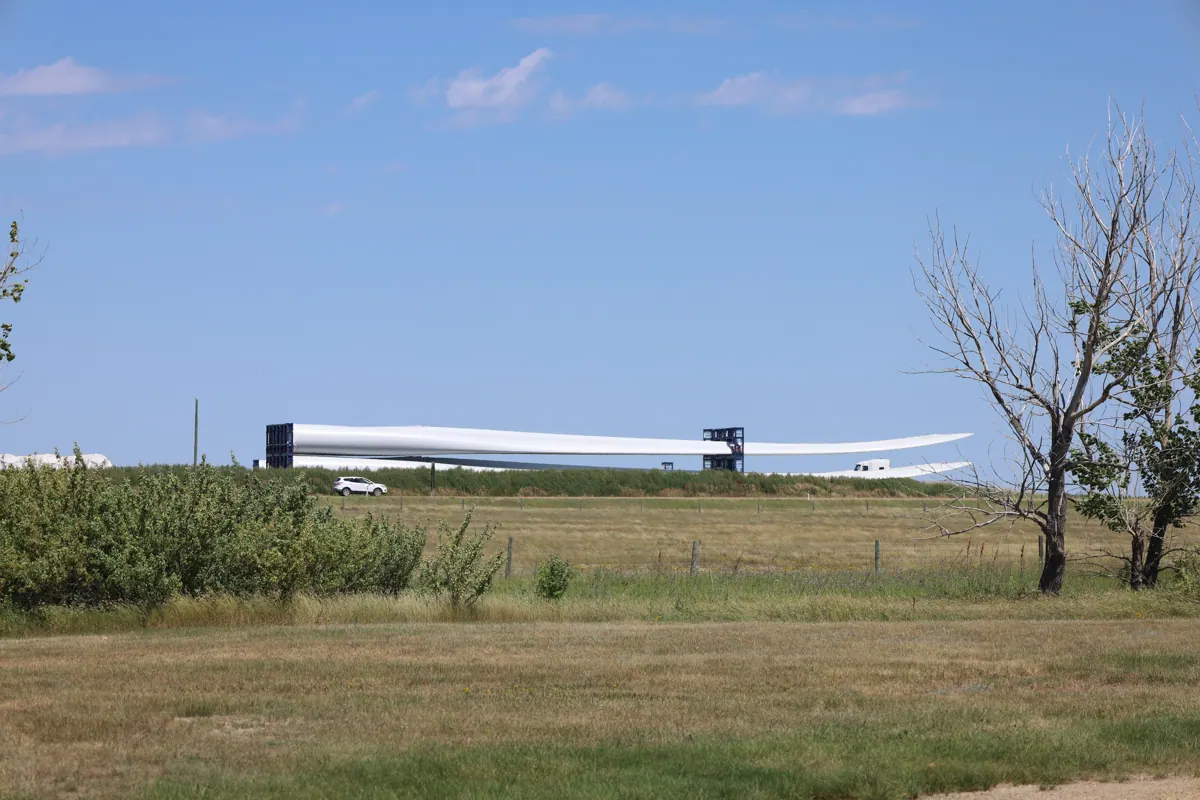
Wind turbine blades are commonly built from composite materials that combine fibers with a binding matrix. This structure provides useful strength and weight characteristics, but is less straightforward to recycle than a single metal component. The end-of-life challenge concerns how to recover value from a material designed to remain bonded together.
Separate the blade from the whole turbine
Steel towers, copper and other components have different recovery routes. A claim about the recyclability of the turbine as a whole can hide the difficulty of a particular fraction. Ask which materials are included in a reported rate and how each is treated. Weight-based totals need context.
Examine the proposed route
Options may include reuse, mechanical processing or other recovery methods, depending on local facilities and technology. A creative demonstration does not necessarily establish a scalable destination for large volumes. Transport and cutting also require planning. The credible question is where the retired blades from this project will actually go.
Connect design with retirement
New materials and manufacturing approaches may improve future recovery, but existing blades still need practical management. Project owners should retain records and plan for removal or repowering. Circular design is valuable when it makes later separation, reuse or recycling easier without compromising service life. The blade challenge does not define the entire environmental performance of wind energy, but it is a real material issue that deserves a specific answer rather than a vague promise that everything will eventually be recycled.