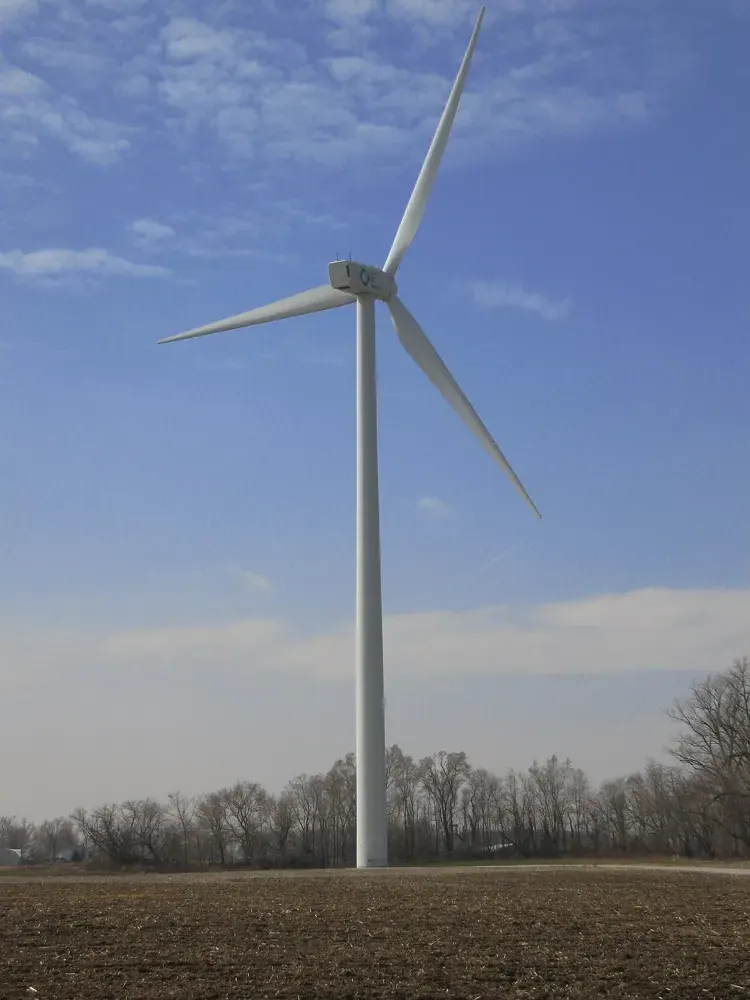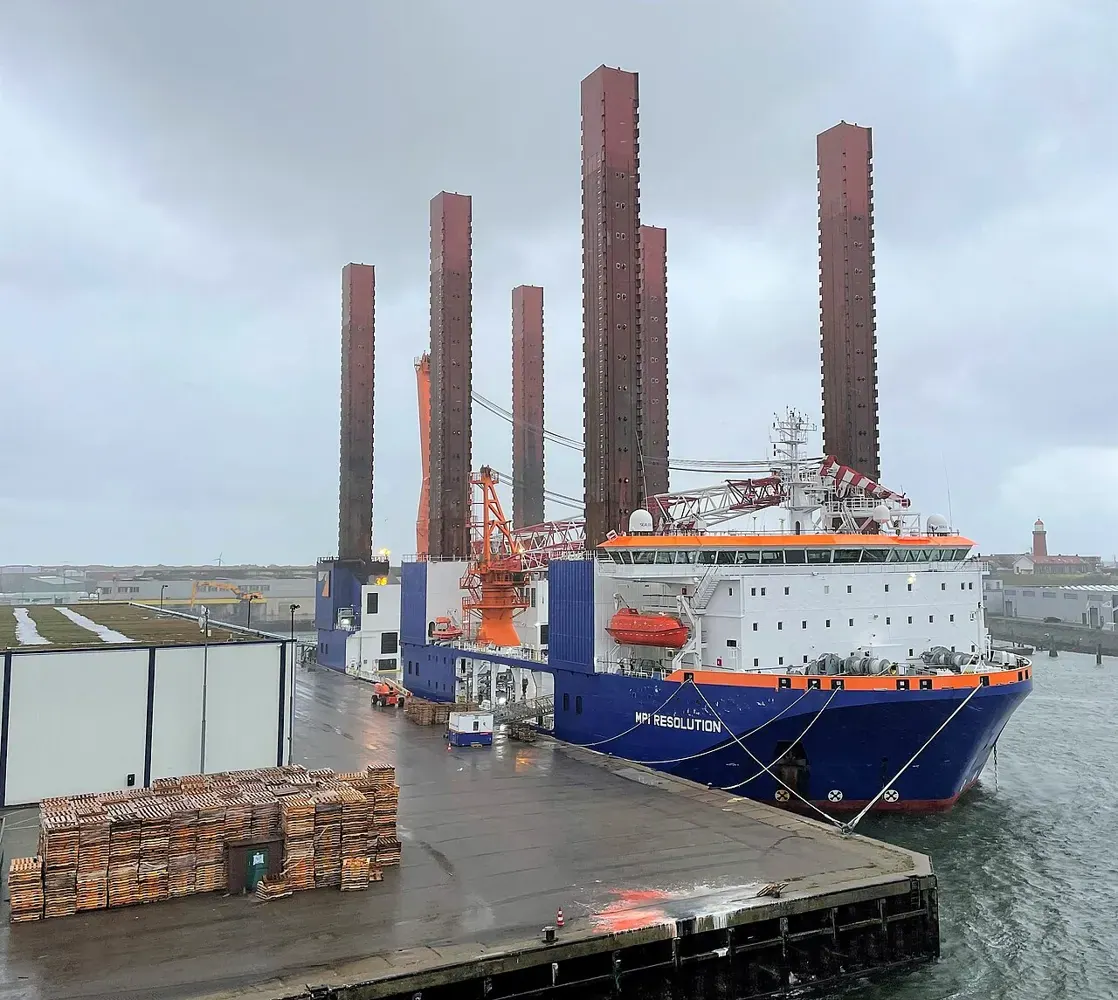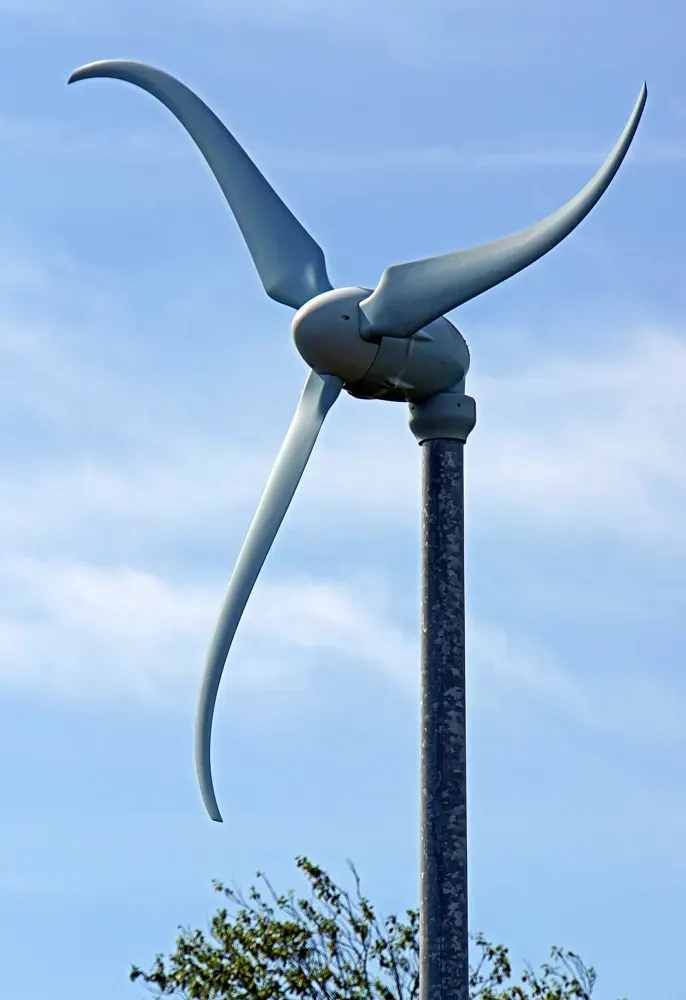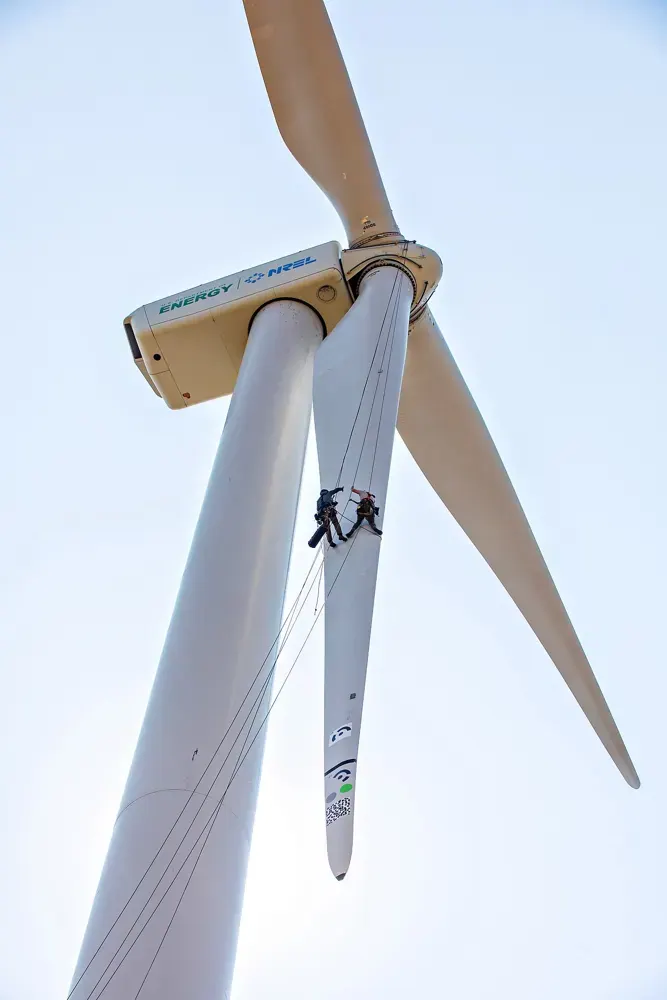
A photograph of motionless turbines captures a moment, not a diagnosis. The wind at ground level may differ from the wind at rotor height. A turbine may be below its starting threshold, above its safe operating range, undergoing maintenance or following a network instruction. Understanding the reason requires operational information.
Separate resource from availability
No useful wind is different from unavailable equipment. The first is a resource condition; the second may involve service, repair or another restriction. Performance reports often distinguish these categories because they call for different responses. Replacing a component will not solve a calm day, and a better forecast will not repair a failed component.
Recognize deliberate pauses
Operators may reduce or stop output when the grid cannot accept it. Some sites also use targeted operating restrictions to address wildlife concerns or other permit conditions. These decisions should be evaluated against their purpose and evidence. A stopped rotor can reflect active management rather than neglect.
Ask for a longer record
If the question is whether a project performs well, look for generation, availability, curtailment and maintenance records over a meaningful period. Compare them with the project's expectations and local conditions. A video of a spinning turbine cannot prove success any more than a still image can prove failure. Energy infrastructure is best understood through patterns and documented causes. That approach leaves room to identify real faults while avoiding conclusions based on a roadside glance at equipment whose operating instructions are not visible.