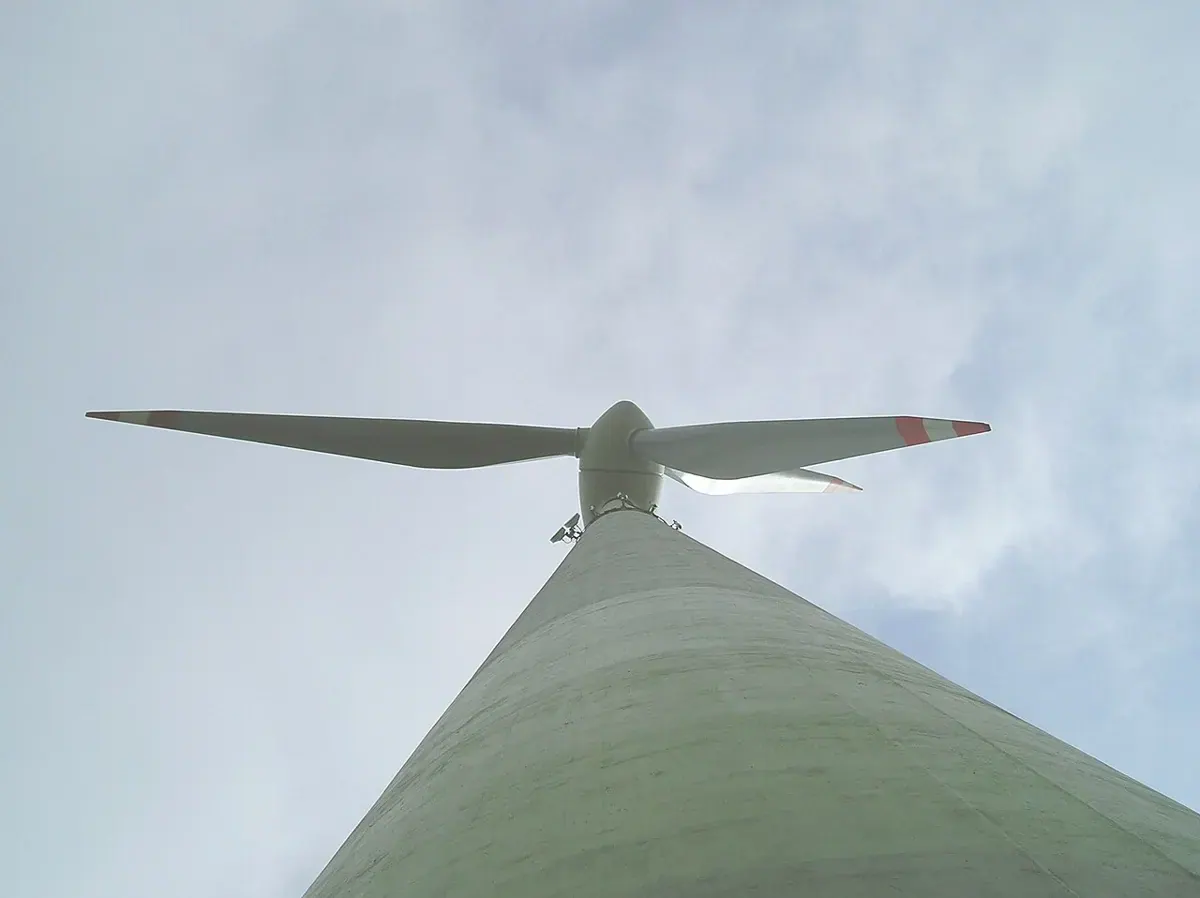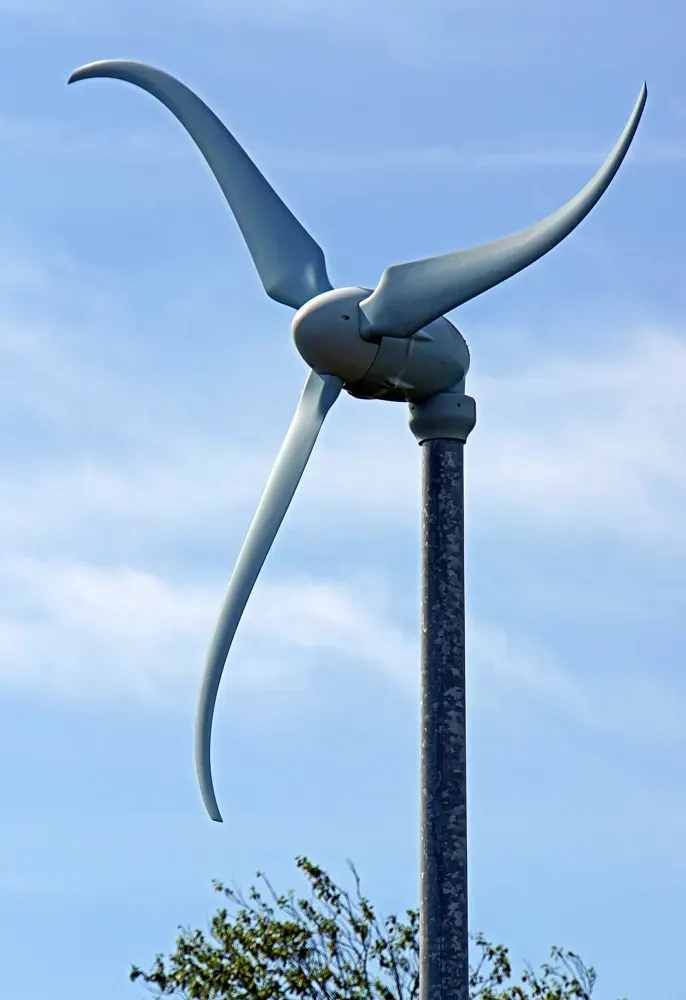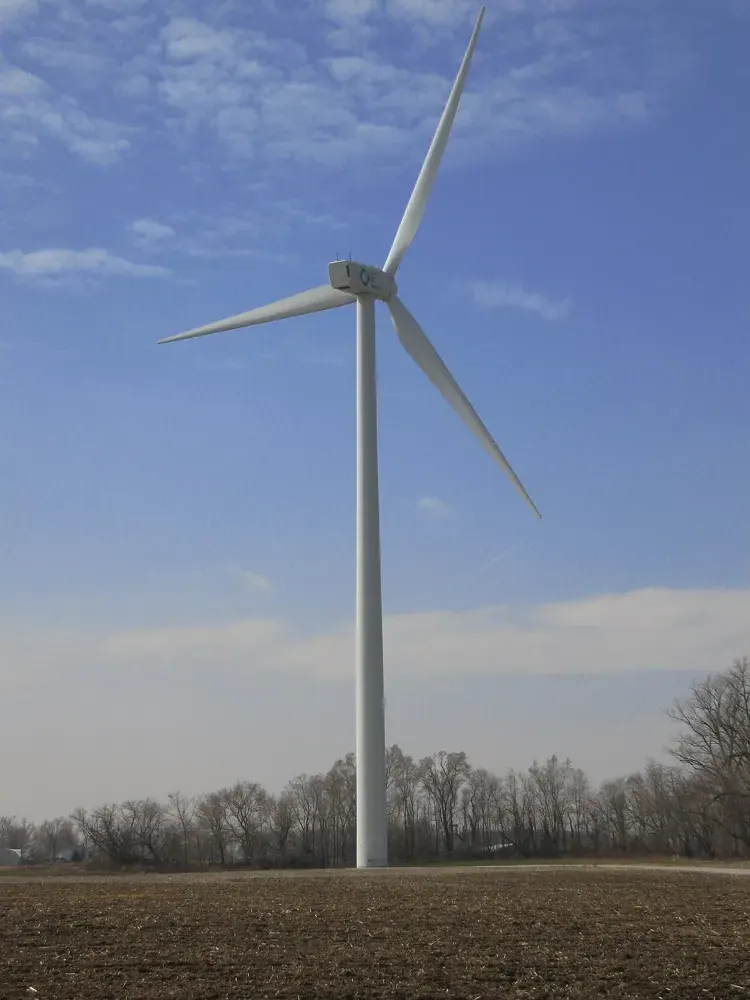
Near the ground, buildings, trees and surface roughness disturb moving air. Higher up, wind may be stronger and more consistent. Raising a turbine can therefore improve the resource available to its rotor. That simple idea helps explain why utility-scale turbines often stand much taller than nearby structures.
Measure instead of assuming
Wind conditions vary with terrain, weather and direction. A general regional map is useful for screening, but it cannot fully describe a particular hill, valley or coastal site. Developers use measurements and models to understand the wind at relevant heights. A higher tower is not a substitute for this work, especially where complex terrain creates unusual flow patterns.
Account for the larger structure
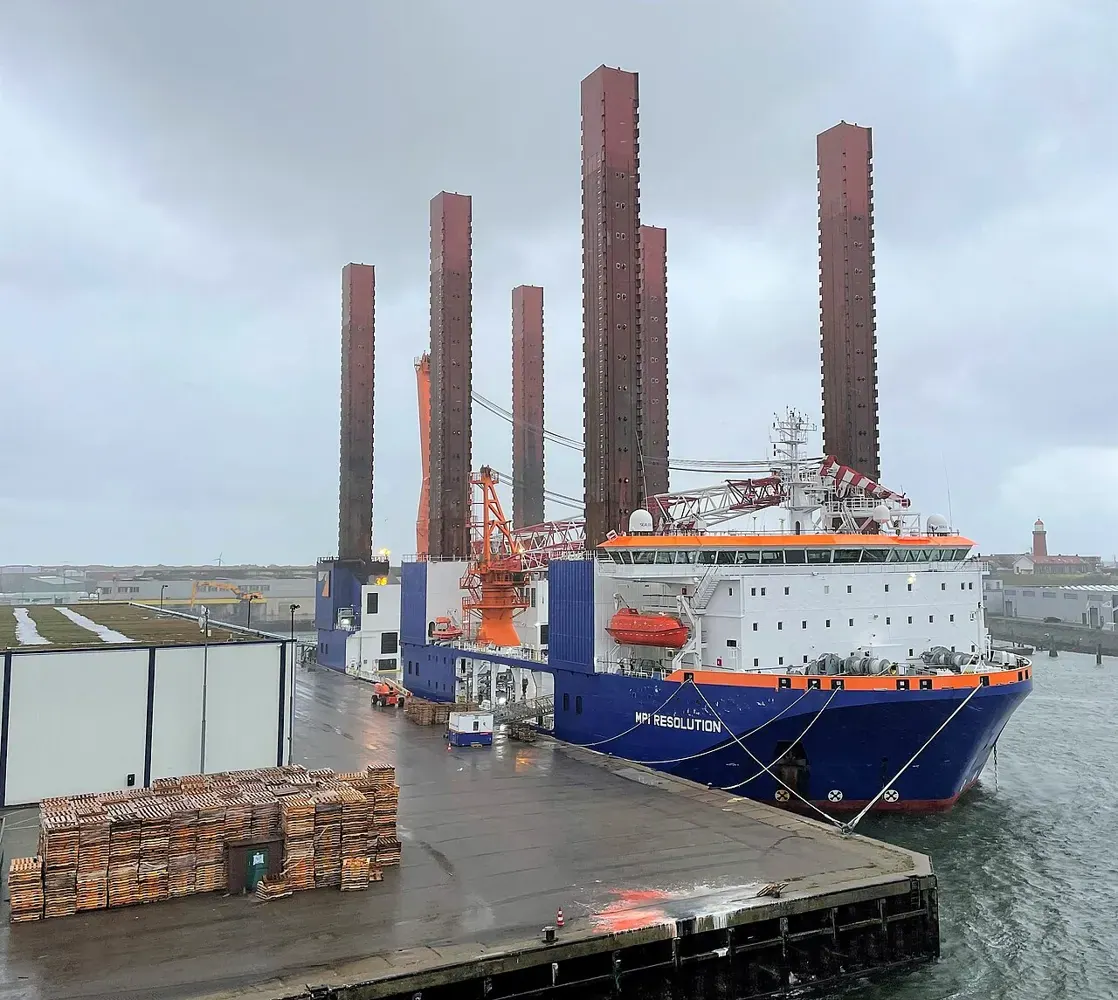
Height brings engineering and logistical consequences. Foundations, tower sections, cranes and access roads must suit the design. Transporting components to a remote site can become a major constraint. The higher rotor may collect more energy, but the entire project still needs to make practical sense. Comparing only turbine output leaves out important parts of that calculation.
Include the surrounding landscape
Visual effects, aviation requirements, wildlife considerations and local planning processes also influence height. Communities deserve clear drawings and explanations of the alternatives being considered. A discussion framed only as taller versus shorter misses the real choice: different combinations of turbine number, rotor size, location and expected production. The most informative proposal shows how these pieces fit together and why a particular design was selected. Height is one design variable in a wider system, rather than an independent guarantee of better performance.