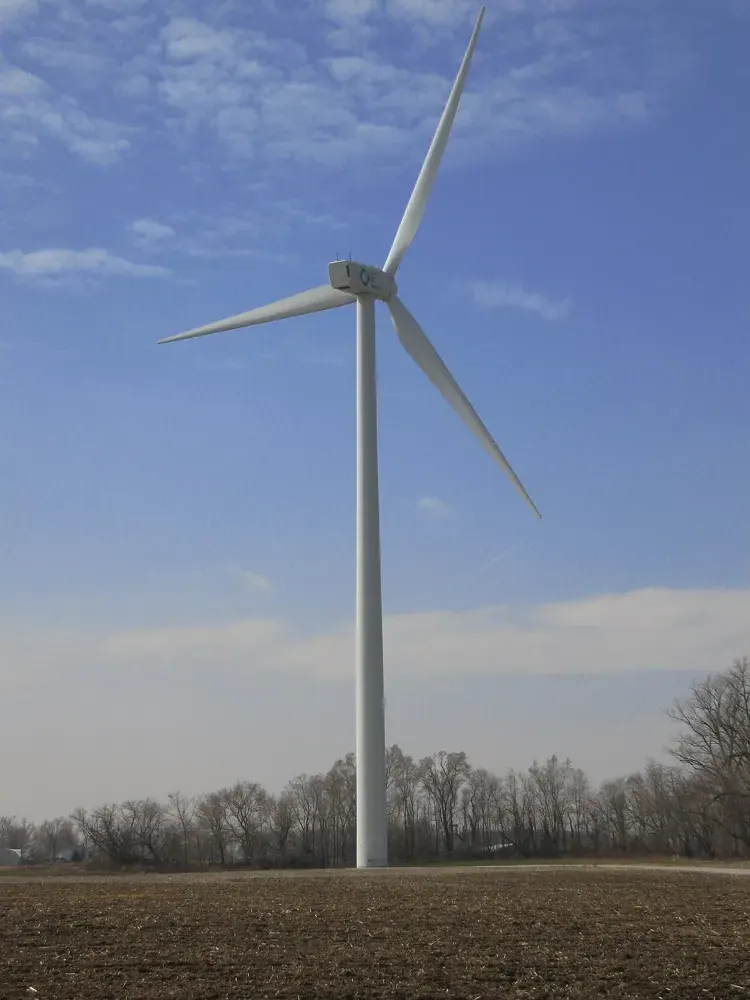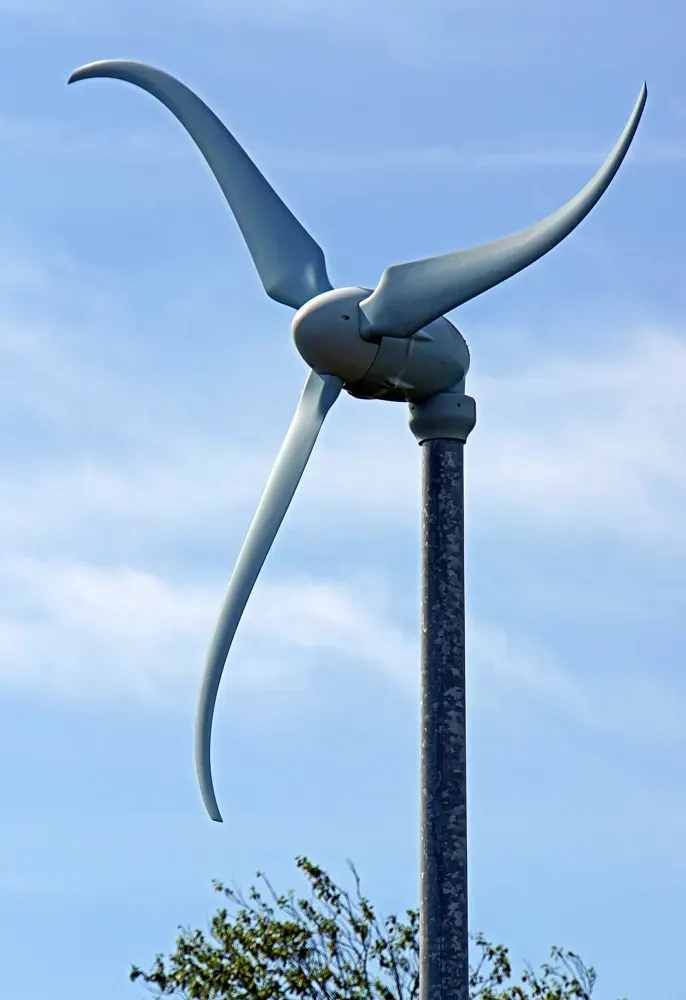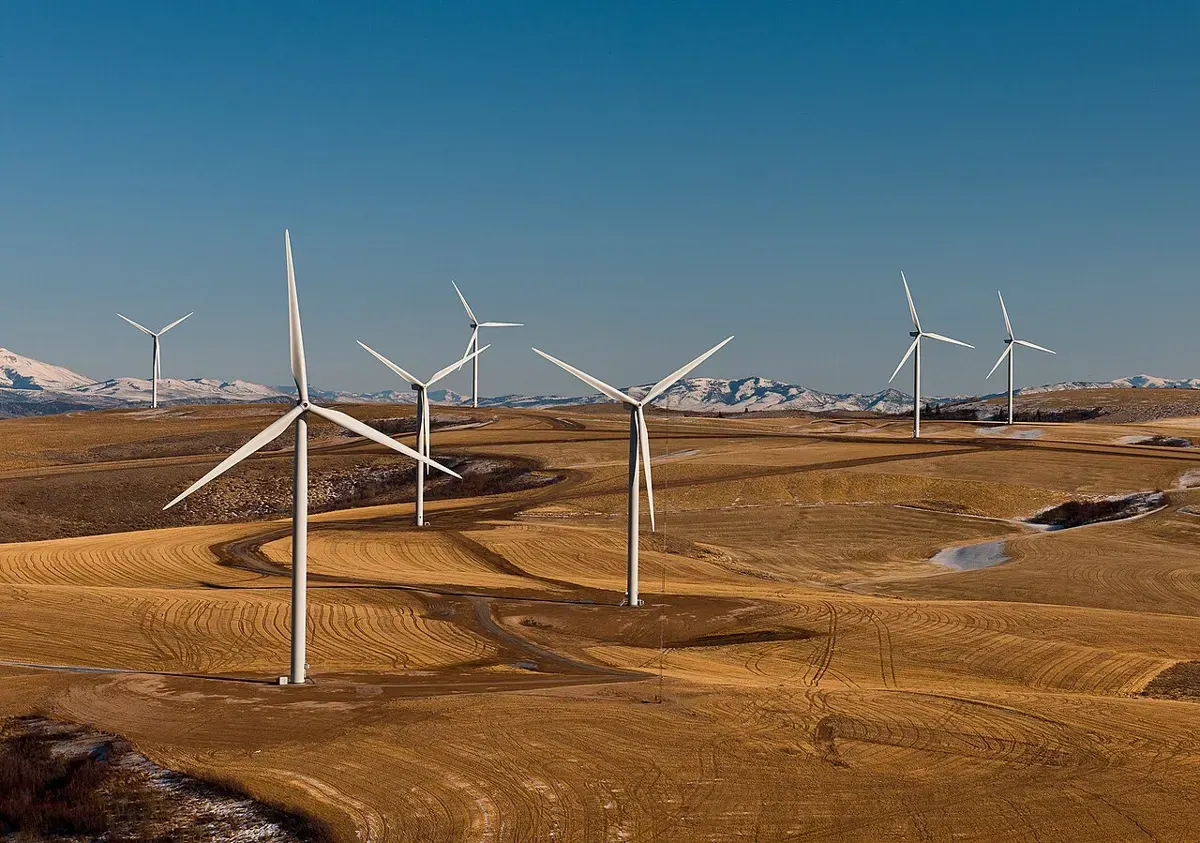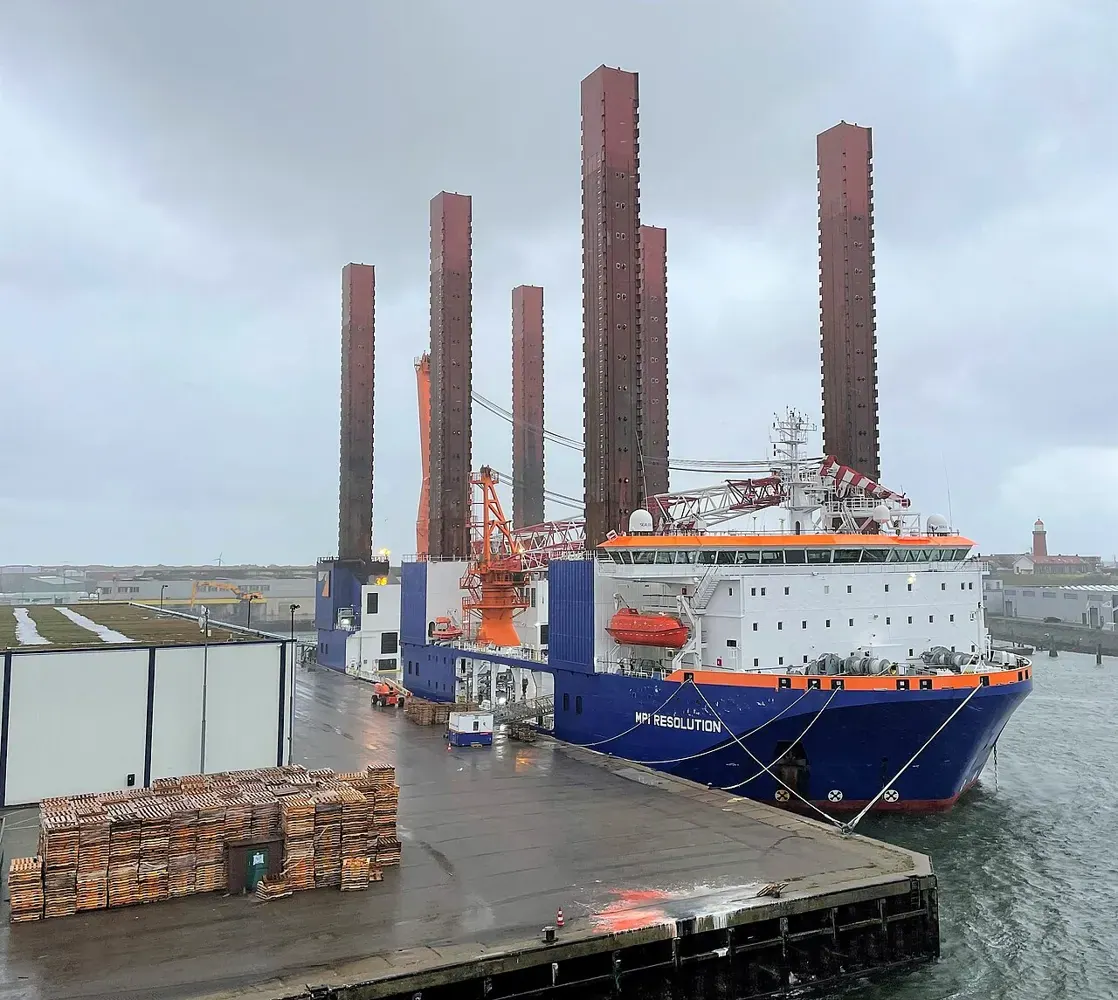
Offshore wind turbines may look like their land-based relatives, but the working environment changes nearly every practical detail. Foundations meet waves and currents. Components travel by vessel. Maintenance depends on safe access windows. Electricity must cross the seabed before it reaches the onshore network.
Choose a foundation for the water
Fixed-bottom foundations connect the structure to the seabed and suit certain depths and ground conditions. Floating systems use buoyant platforms anchored by mooring lines. Neither approach removes the need for detailed surveys. Seabed geology, water depth, wave climate and the turbine's loads all influence the design. A floating platform is still part of a carefully restrained system.
Treat cables as major infrastructure
Array cables connect turbines, and export cables carry electricity toward shore. Their route must consider seabed conditions, other users, installation methods and protection. Onshore substations and transmission capacity are part of the same project. A turbine installation is not complete merely because the machines are standing in the water.
Plan for coexistence and service
Fishing, shipping, wildlife and coastal communities all have interests in the same space. Meaningful assessment includes construction disturbance, operating effects and eventual removal or replacement. Maintenance planning must also account for specialized vessels, spare parts and weather delays. Offshore wind can access substantial resources, but its value is inseparable from the infrastructure and stewardship around it. When reading a project announcement, look beyond the number of turbines to the cable connection, operating plan and environmental commitments that make the project workable.