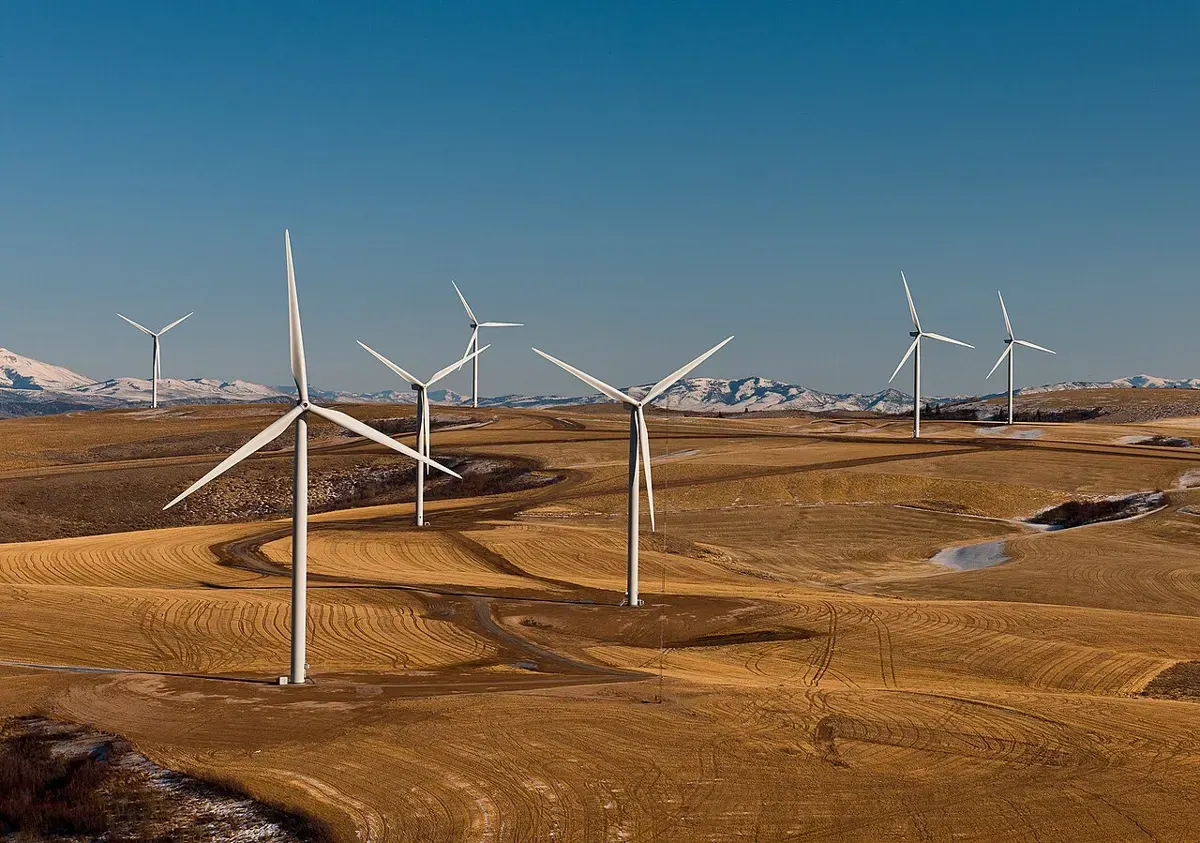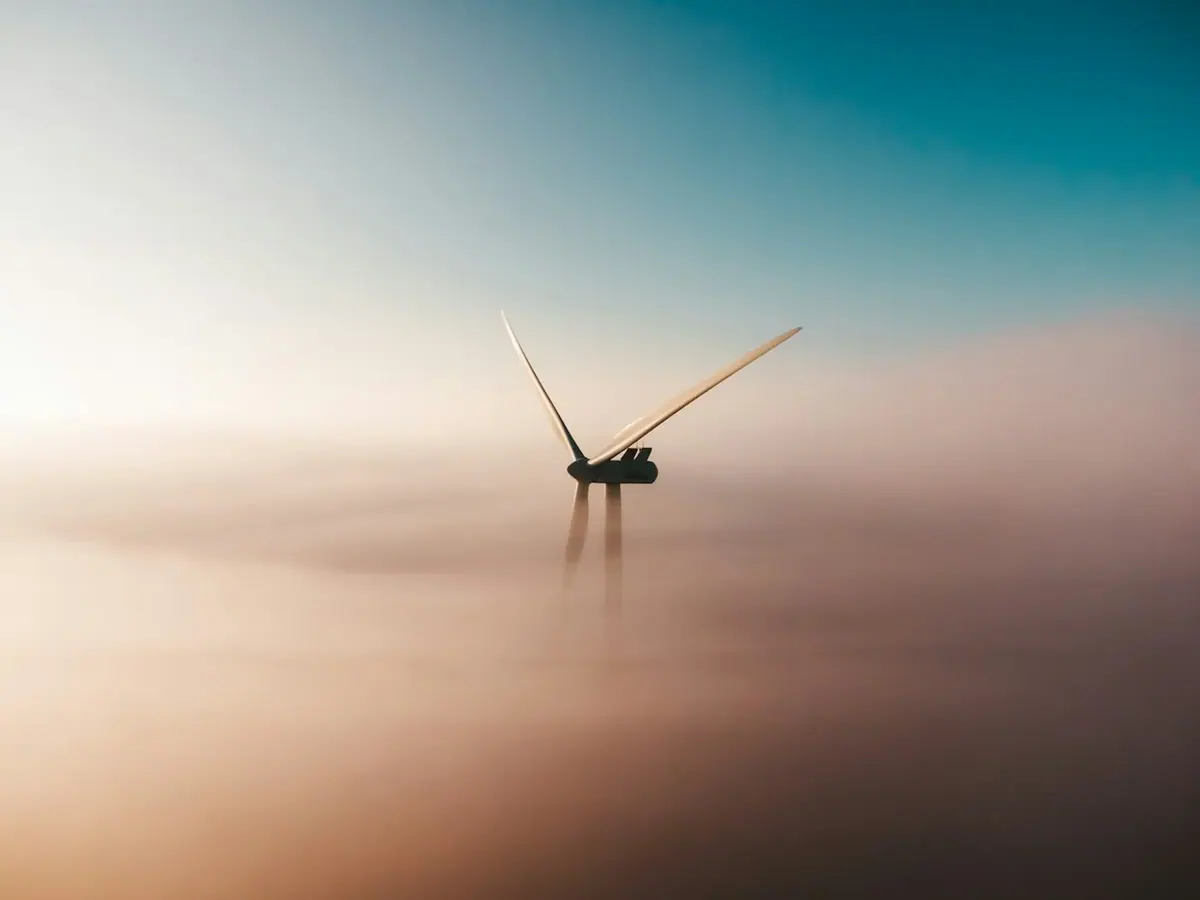
A wind turbine begins with moving air, but it does not simply catch wind like a bucket catches rain. Its blades have aerodynamic shapes that develop lift. That lift turns a rotor, and the rotating machinery drives a generator. Controls continuously manage the equipment as wind conditions change.
Read the machine from outside in
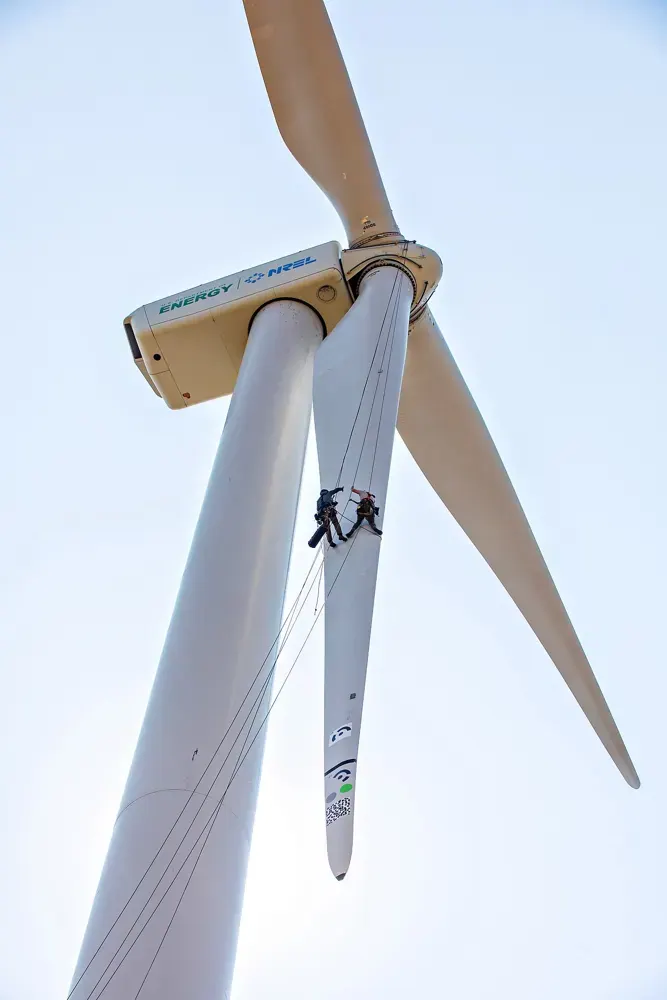
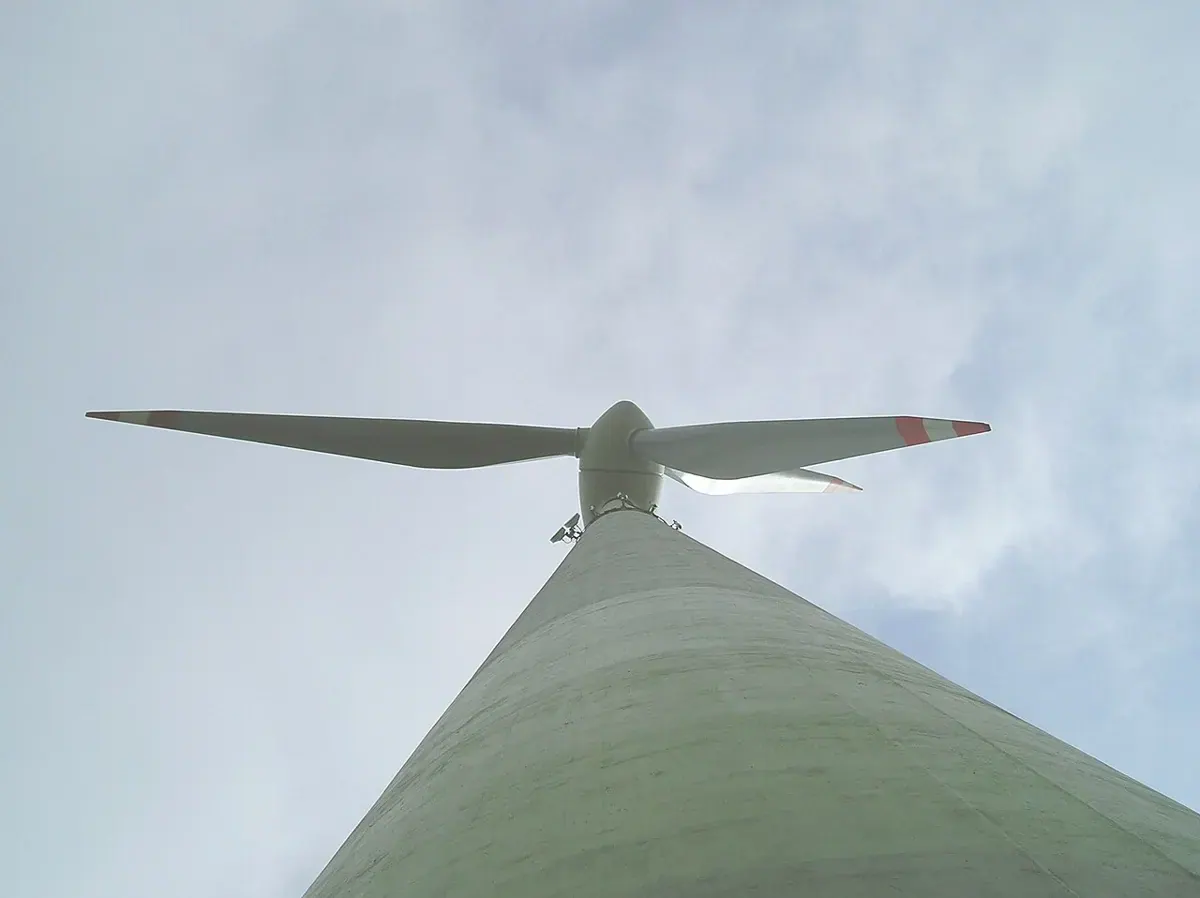
The blades and hub form the rotor. Behind them, the nacelle houses major components, while the tower raises the rotor into the wind. Some designs use a gearbox; others connect the generator more directly. Electricity passes through equipment that conditions it for the intended electrical system. The familiar silhouette hides several distinct engineering tasks.
Wind speed is only one ingredient
The useful energy available depends strongly on wind speed, but a turbine cannot increase its output without limit. Each model has an operating range and a rated output. Controls can adjust blade angle, and turbines may stop in severe conditions to protect equipment. A stationary turbine on a windy day is therefore not automatically broken. Maintenance, network instructions and local operating restrictions can also explain a pause.
Judge the site as well as the turbine
A good machine in turbulent, obstructed airflow can disappoint. Developers assess the wind resource, ground conditions, electrical connection and environmental setting before selecting equipment. For readers, the important distinction is between the machine's maximum power rating and the energy it produces over time. A nameplate tells you a capacity. A production record tells you how the turbine and its location worked together. Both are useful, but they answer different questions.