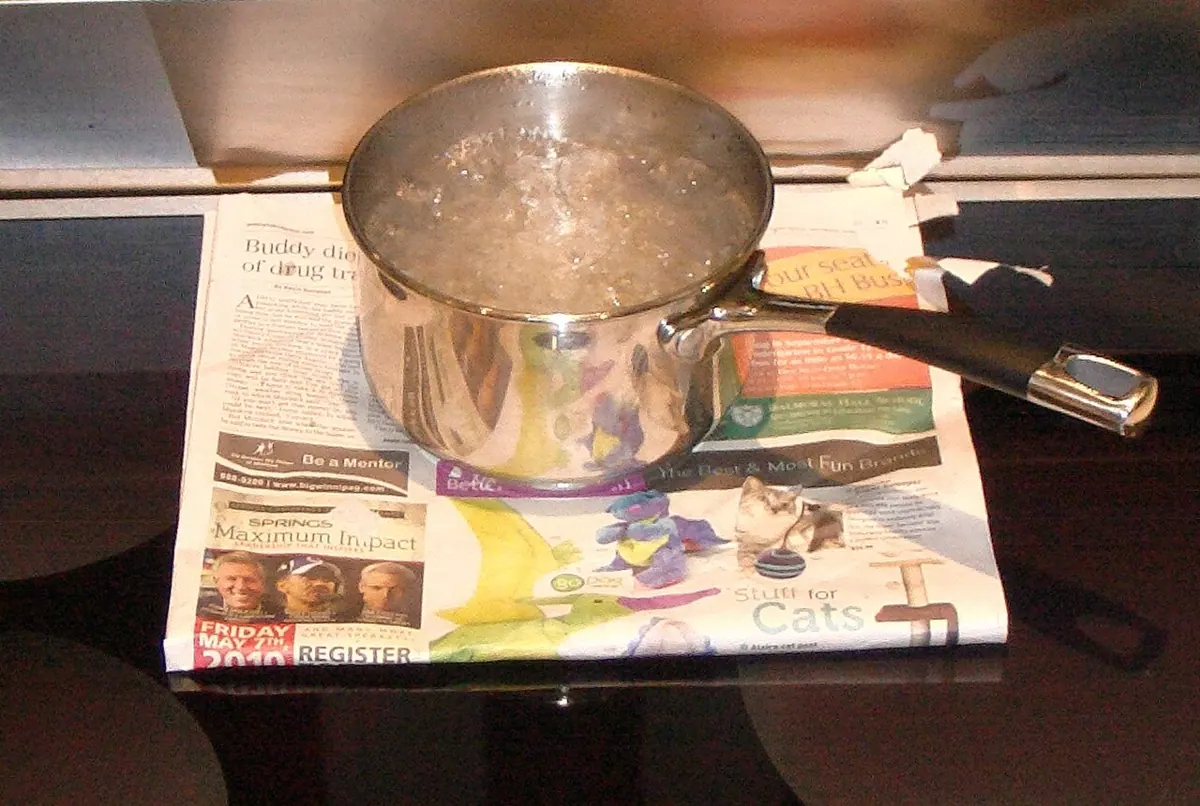
Kitchen energy use comes from many small decisions: heating an oven, boiling water, storing food and washing dishes. There is no single appliance that determines the whole picture. A useful approach is to organize tasks so that energy serves a clear purpose and avoid repeating steps unnecessarily.
Match the tool to the portion
A large oven and a smaller appliance have different warm-up and operating characteristics. Choose a suitable method for the food, quantity and result required. Boil the water needed while respecting the kettle's minimum-fill instructions. Use lids when appropriate to the cooking task. These are ordinary workflow decisions rather than rigid rules for every recipe.
Keep cold storage working properly
Follow manufacturer guidance on ventilation, seals and temperature settings. Avoid blocking airflow or placing equipment where it struggles to reject heat. Organizing food so it is visible can also reduce waste. Do not compromise food safety to pursue a lower electricity reading; storage needs come first.
Combine tasks thoughtfully
Cooking several suitable items together can make use of an already-heated oven. A full, correctly loaded dishwasher may be preferable to repeated small cycles, depending on the appliance and use. Maintain filters and select appropriate programs. The kitchen is a good place to connect energy with planning: fewer forgotten ingredients, fewer unnecessary heating cycles and equipment that fits the task. A routine that makes meals easier is more likely to last than one built around constant calculation.