A water heater's energy use depends partly on how much hot water the household needs and how it reaches taps and showers. Efficient equipment is important, but unnecessary flow, leaks and long pipe runs can also matter. Begin by observing the service being delivered rather than immediately changing the heater's temperature.
Notice the routine
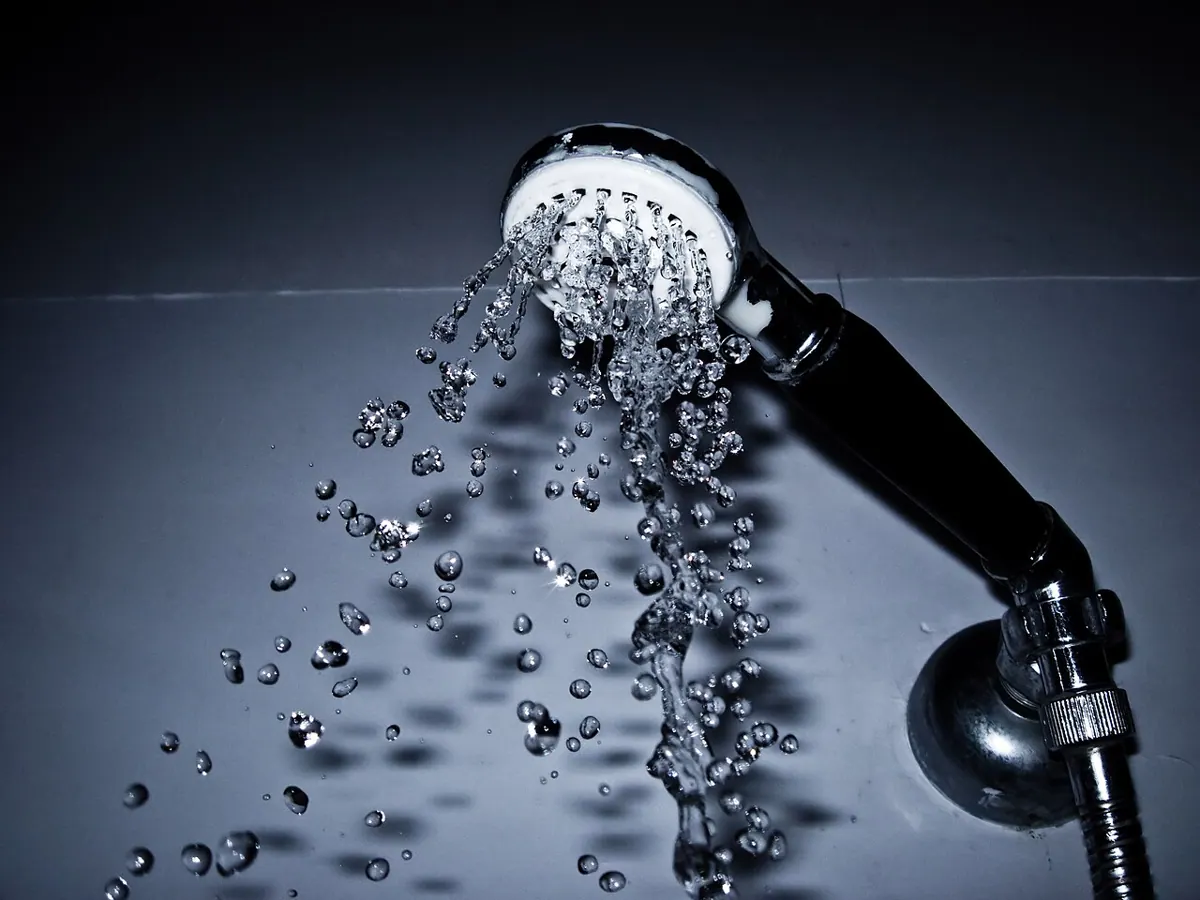
Record where hot water is used most and whether taps are left running without a purpose. A leaking hot tap wastes both water and the energy used to heat it. Suitable efficient fixtures may reduce demand while preserving a comfortable flow, but compatibility and household needs should guide the choice.
Consider the delivery path
Long waits for hot water can reflect pipe layout and heat loss. Pipe insulation or a professionally designed circulation arrangement may help in some homes, but circulation can also consume energy if poorly controlled. Ask a qualified plumber to assess the specific issue before adding equipment. The right fix depends on the distance, use pattern and existing system.
Protect the necessary conditions
Water-storage temperatures and system settings can have hygiene and scalding implications. Follow manufacturer and professional guidance instead of making casual adjustments for a small saving. Focus first on leaks, unnecessary use and suitable fixtures. These changes address demand while leaving essential safety controls intact. A practical hot-water plan combines efficient generation with sensible delivery and use, ensuring the household receives the service it needs without heating water that nobody benefits from.