Efficient lighting should make a room easier to use. A reading corner, kitchen worktop and hallway need different patterns of light. Replacing every lamp with the brightest available model can waste energy and create glare. Start with the task and the placement, then choose suitable equipment.
Compare useful light
Lumens describe light output, while watts describe electrical power. A more efficient lamp can provide similar light with less power, but distribution and fixture design affect what reaches the surface. Color temperature and color rendering influence the experience too. Try a suitable lamp in the actual room before buying many copies.
Check compatibility
Dimmers, enclosed fixtures and outdoor locations can impose product requirements. A lamp that flickers or overheats in an unsuitable fitting is not a successful upgrade. Read the manufacturer's guidance and use qualified help for electrical changes. Controls should be accessible and understandable to everyone using the space.
Light the occupied area
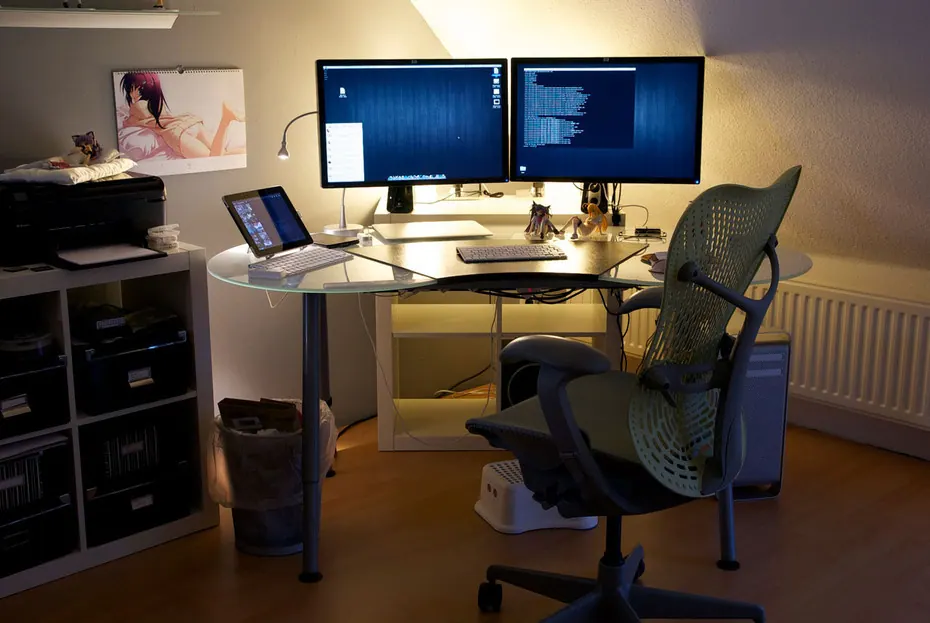
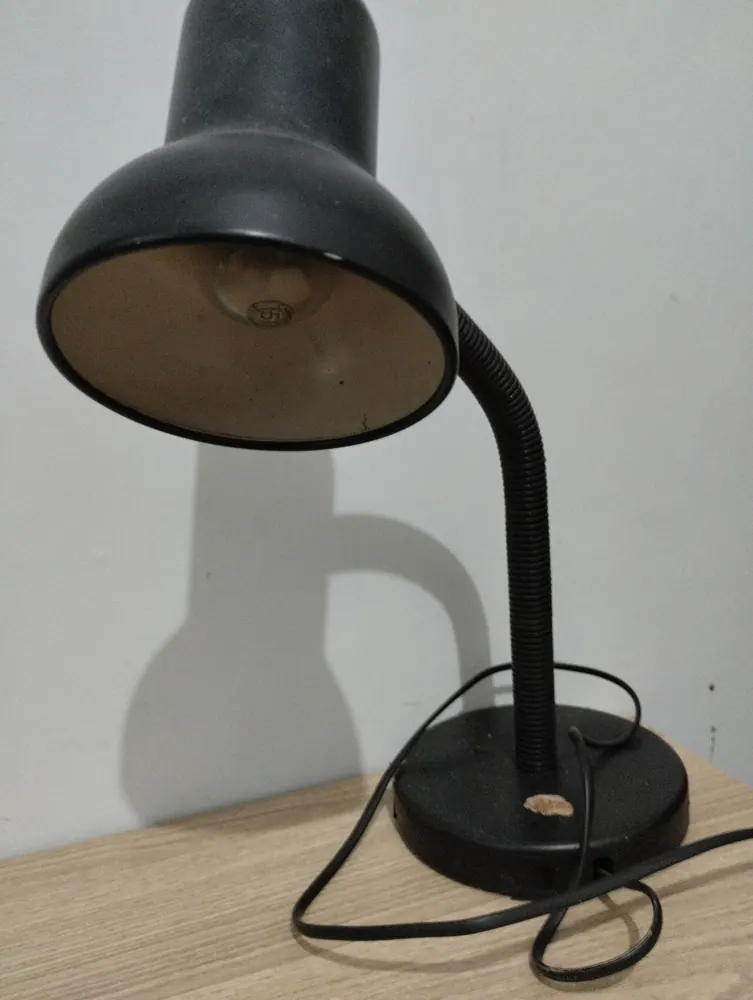
Task lighting can reduce the need to illuminate an entire room intensely. Daylight is useful where it does not create glare or unwanted heat. Timers and occupancy controls may help in appropriate locations, but poorly chosen settings can become irritating. The most durable saving comes from a lighting arrangement people prefer to use. Good visibility, comfortable contrast and sensible switching turn efficiency from a compromise into a better everyday experience.