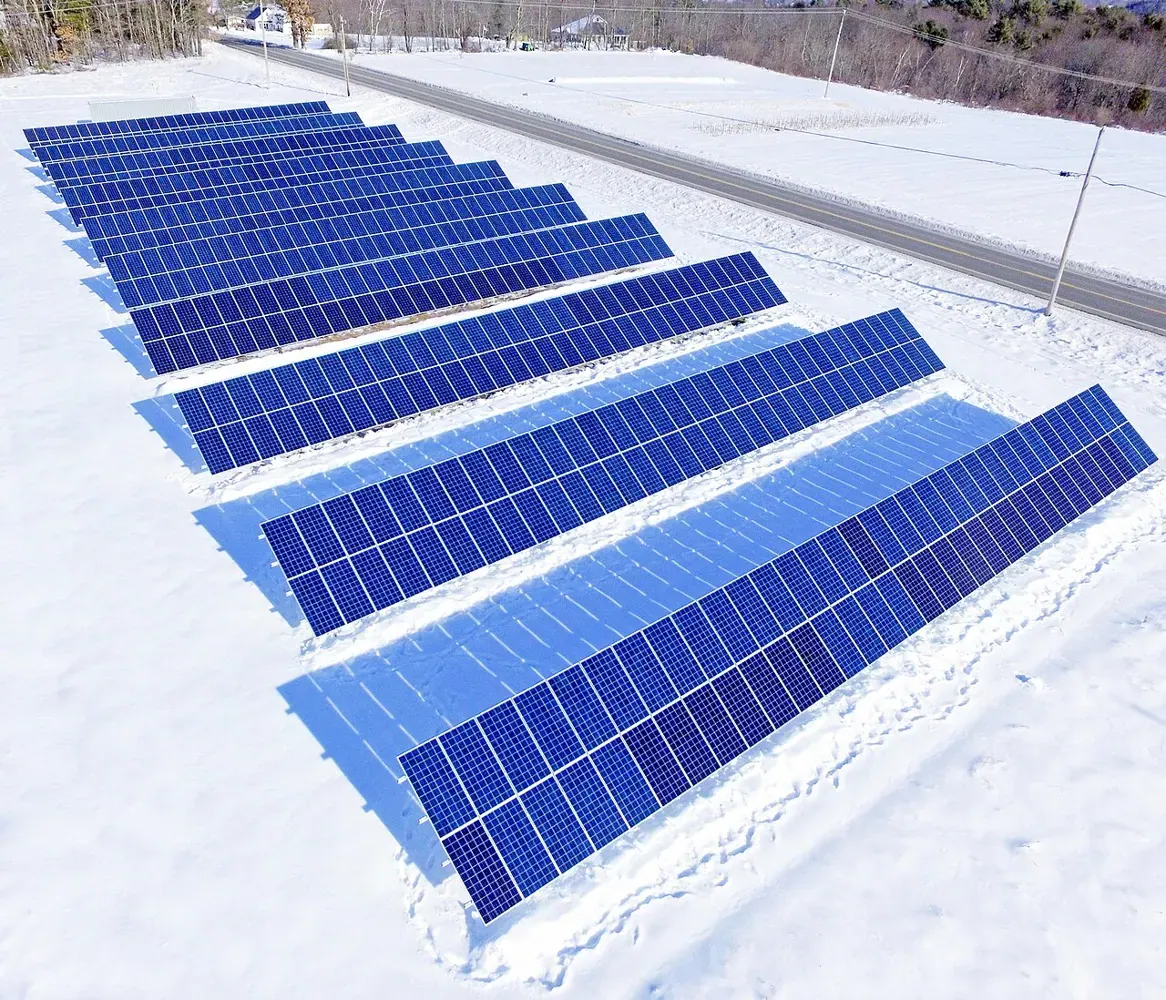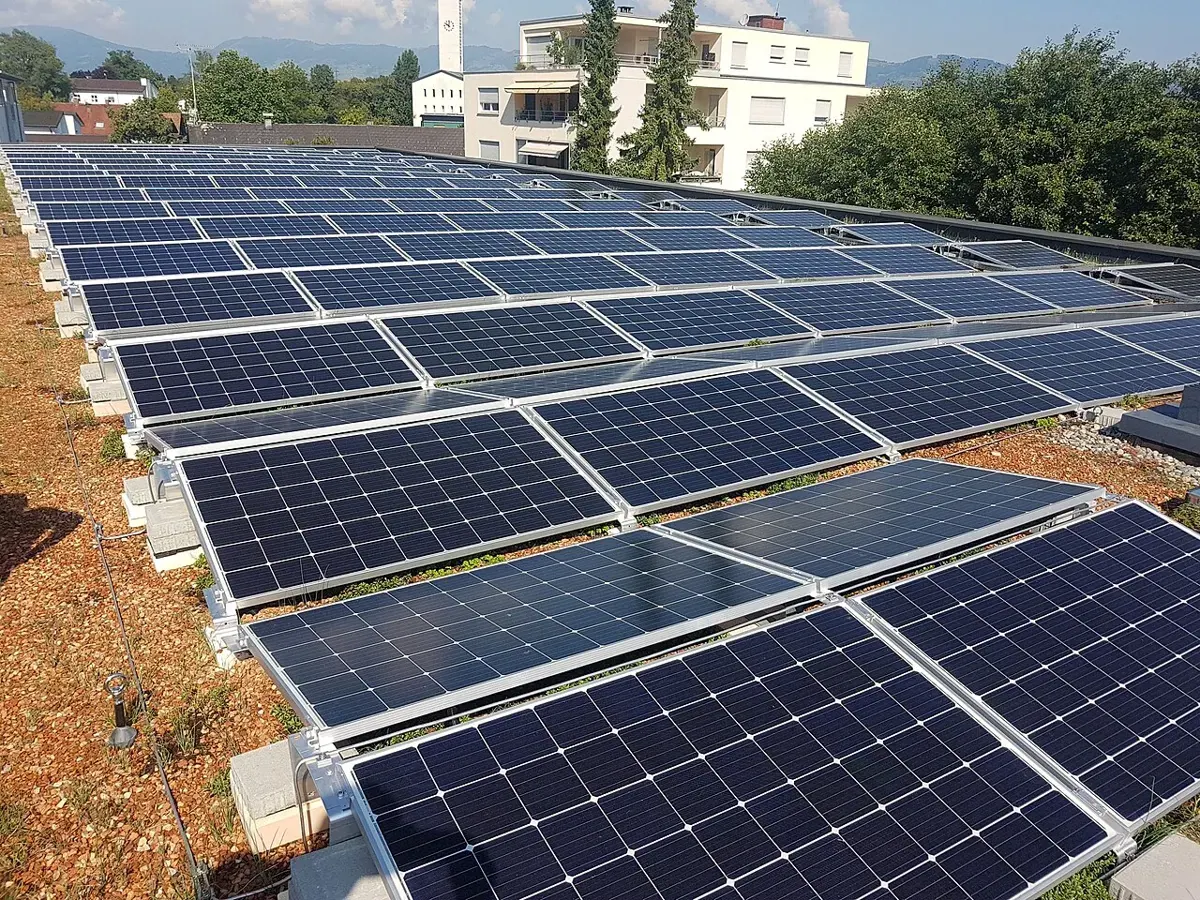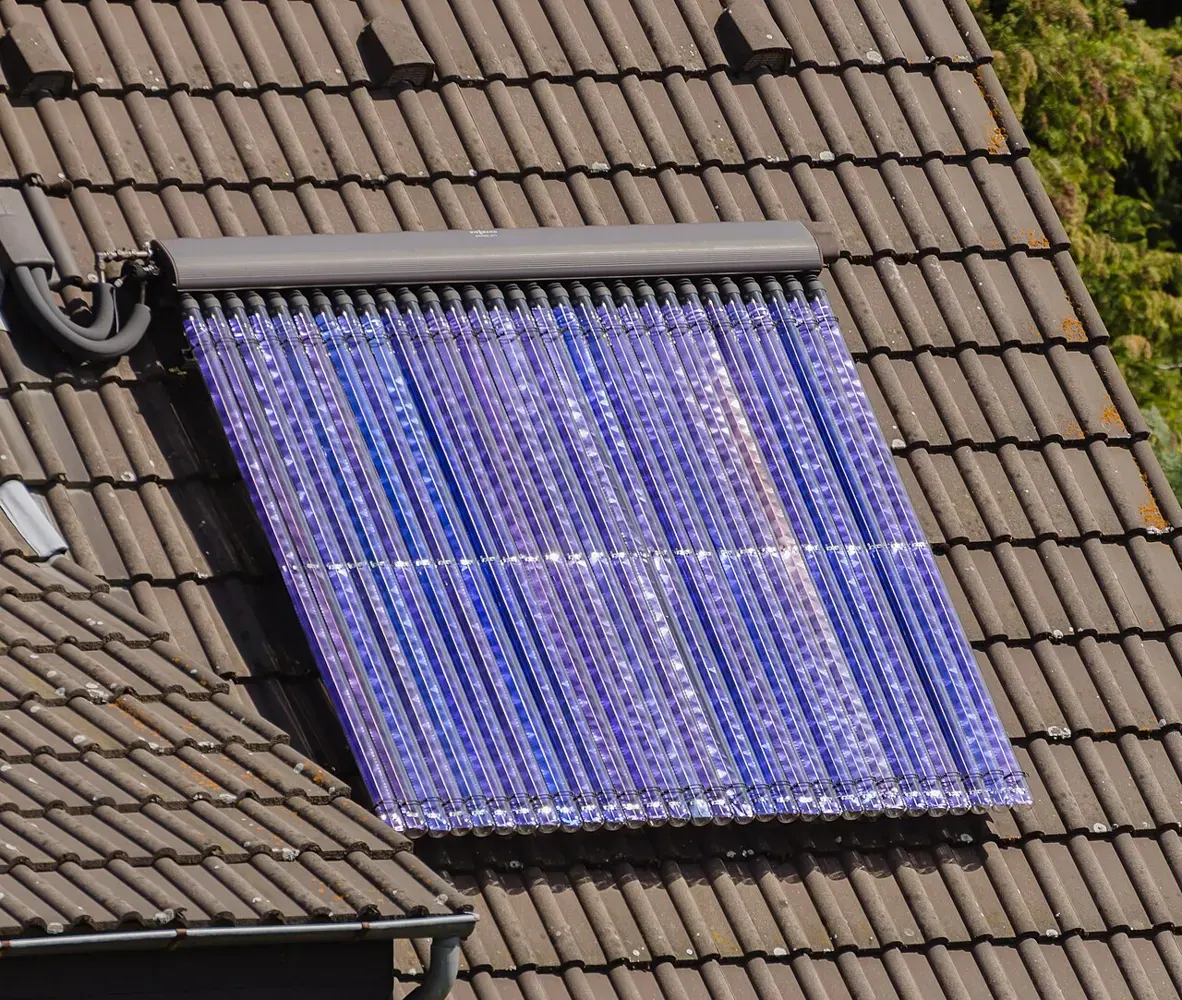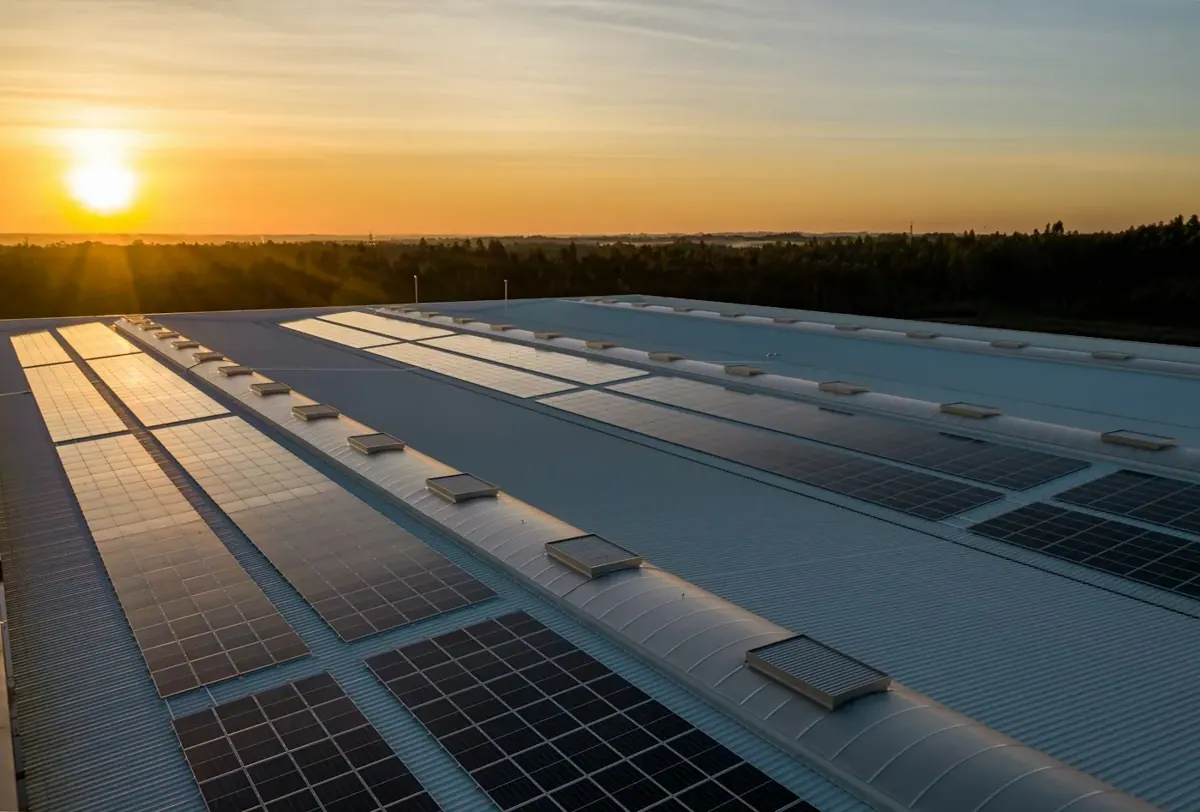
An array facing the direction of strongest midday sunlight is often a natural starting point. Yet some roofs offer an eastern slope and a western slope instead. Those surfaces can produce electricity at different times, giving the daily generation curve a broader shape. Whether that is useful depends on the home, the local climate and the electricity tariff.
Match a curve to a routine
Morning generation may overlap with breakfast and early household activity. Afternoon generation may better match late-day cooling or a return from work. Neither alignment is guaranteed, and winter daylight changes the picture. Ask for an hourly estimate when timing is important. Annual kilowatt-hours alone cannot reveal how much production coincides with demand.
Compare layouts fairly
Keep system size and assumptions visible. A larger east-west array should not be credited with an orientation advantage simply because it contains more panels. Roof pitch, shading, inverter capacity and installation constraints also affect results. Compare the predicted output, usable electricity and total installation scope for each option. A layout drawing makes these differences easier to understand.
Avoid making one metric do every job
Maximum annual generation, highest self-consumption and lowest overall cost are different objectives. One layout may perform better on one measure and worse on another. A battery can alter the timing of use, but adds another cost and another set of losses. Begin with the roof that exists and the household schedule that is realistic. A good design makes those constraints explicit and explains the tradeoff. It does not dismiss a roof because it faces an unfashionable direction, or promise that direction alone will produce a better result.