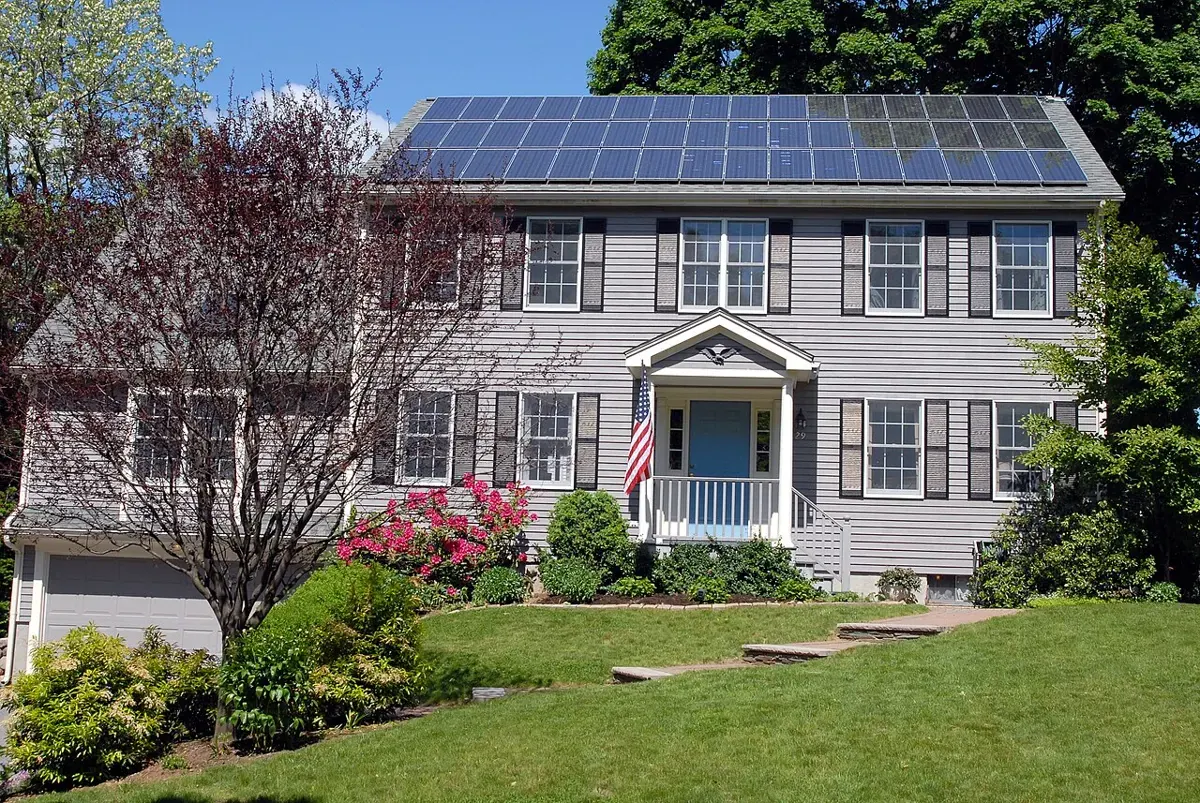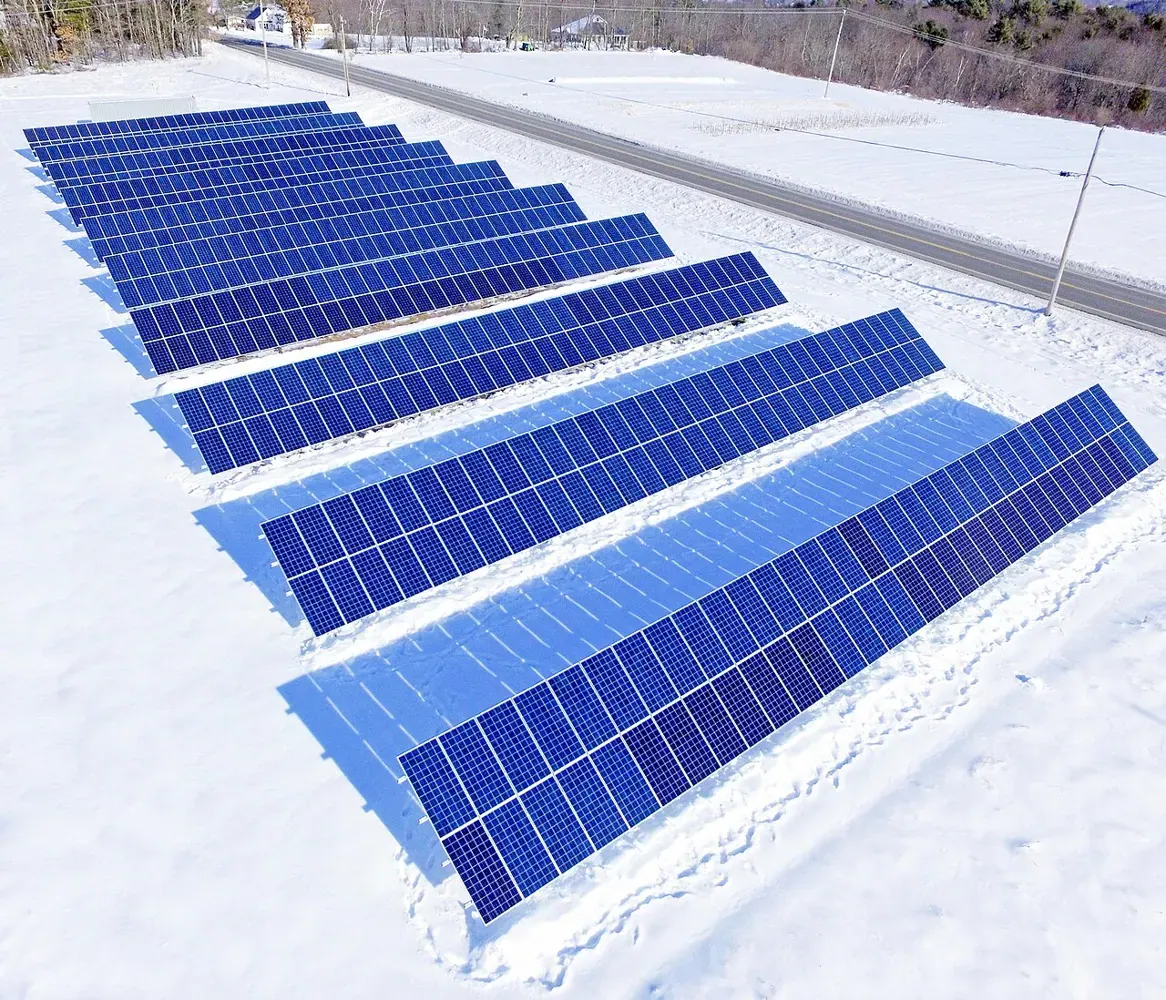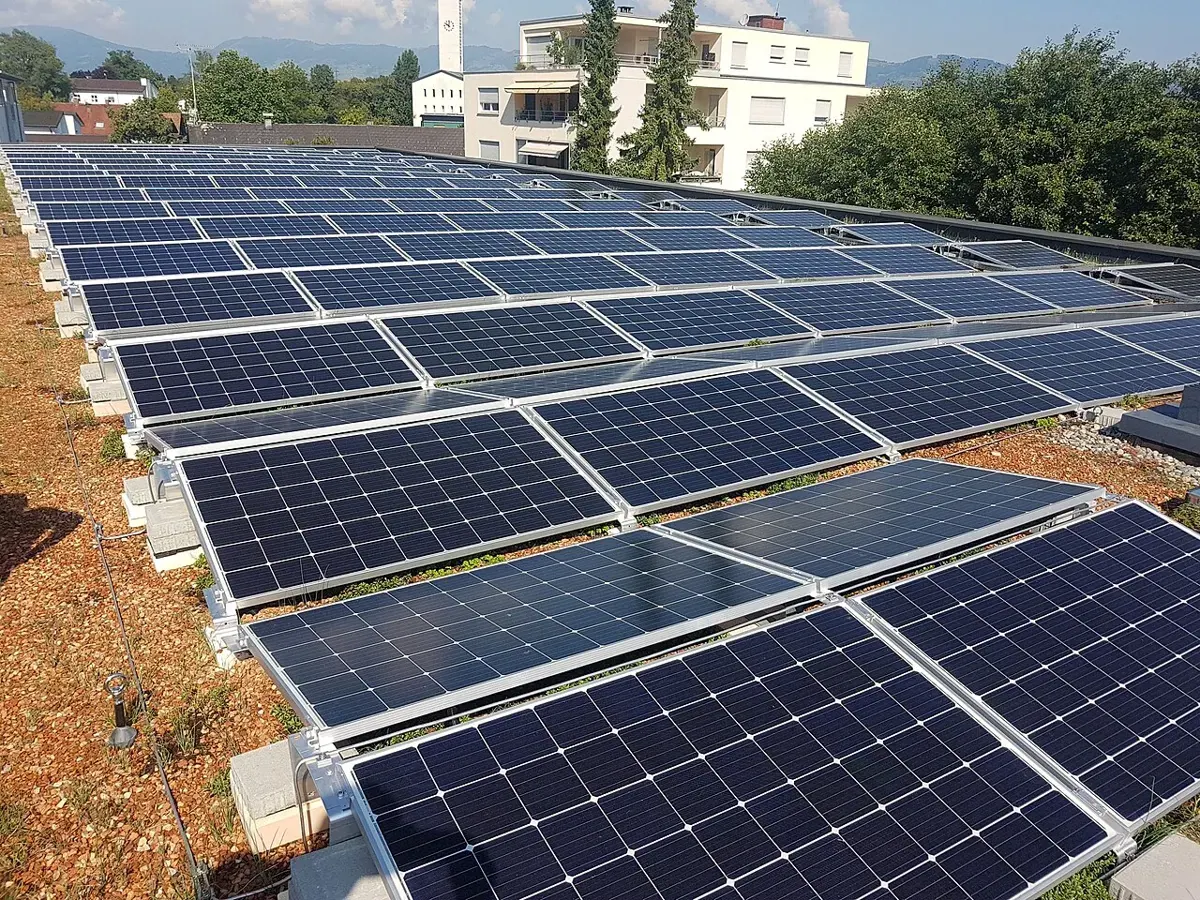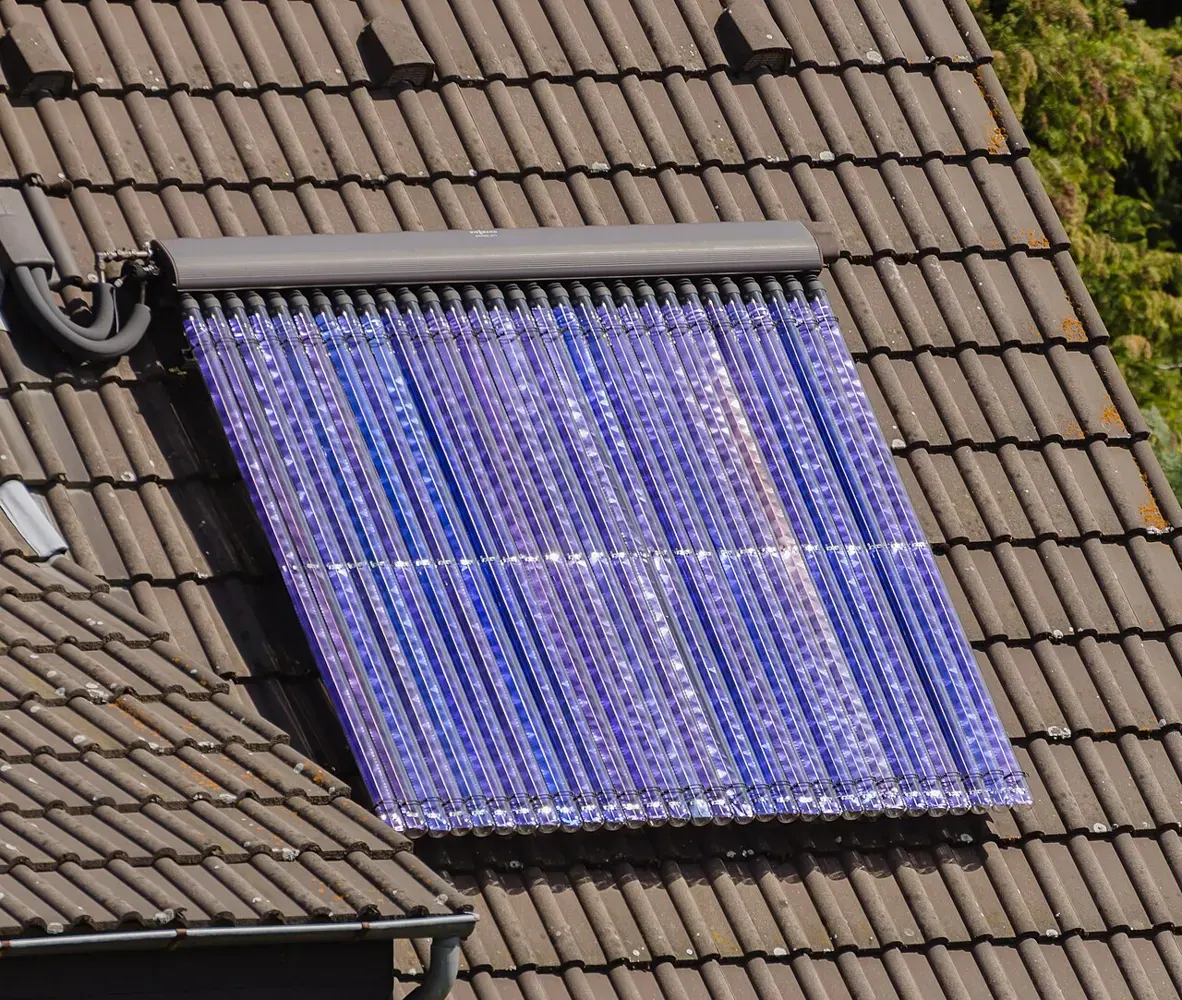
The word solar can describe equipment that produces electricity or equipment that collects heat. Photovoltaic panels generate electrical energy. Solar thermal collectors warm a fluid that can transfer heat to water. Both use sunlight, but choosing between them requires a clear picture of the service the household needs.
Follow the energy after the roof
Electricity can supply many appliances and, with suitable equipment, heat water. A solar thermal system is more specialized: collectors, pipework, controls and a storage tank work together to provide heat. That specialization can suit some buildings, but the tank, plumbing route and backup heater all need to be considered. The roof component is only one part of the installation.
Ask about summer and winter
Hot-water demand does not always follow solar availability. A family may need plenty of hot water on a dark winter morning, while summer production may exceed what is immediately useful. Ask how the system handles low sunlight, prolonged absence, overheating and freezing conditions where relevant. Maintenance requirements differ between technologies; a collector circuit deserves its own service plan.
Compare complete alternatives
A meaningful comparison might include solar thermal, photovoltaic panels paired with a heat pump water heater, and a more efficient conventional replacement. Use the same hot-water demand, energy prices and expected equipment life. Include work inside the home, not just the collectors or panels. If roof space is limited, discuss which use offers the most value in that location. There is no universal winner that can be selected from a rooftop photograph. The stronger proposal explains how the entire system supplies hot water throughout the year, including the days when sunlight is scarce.