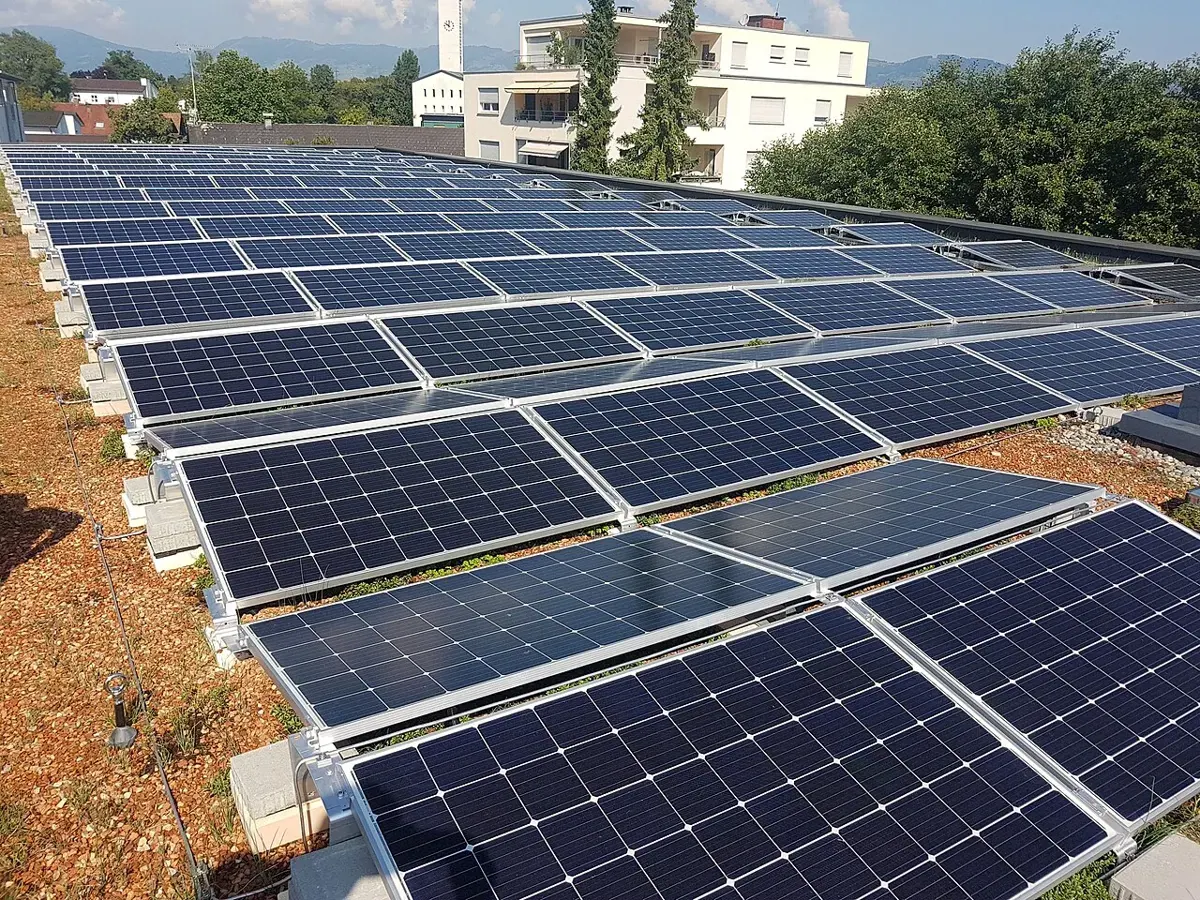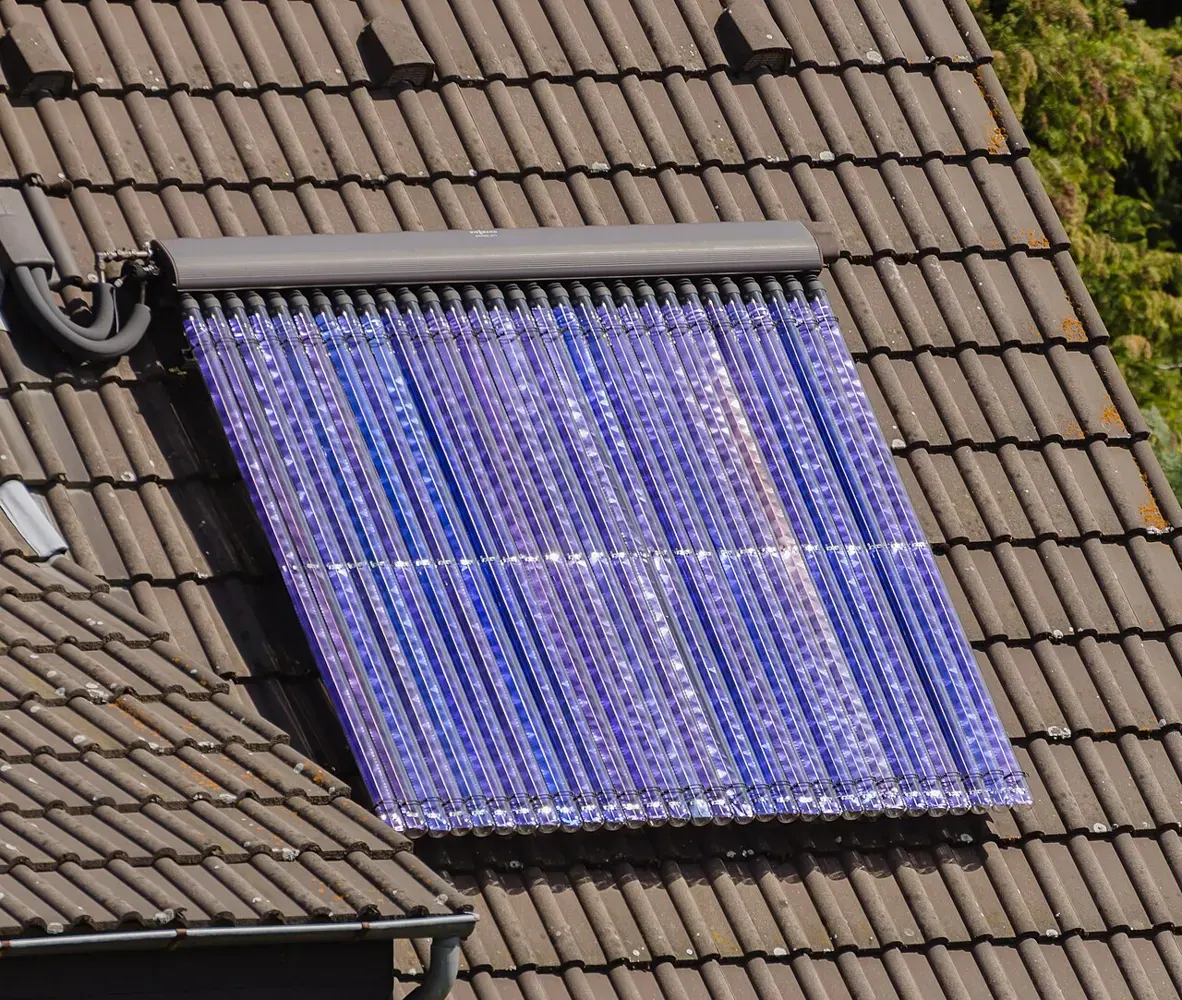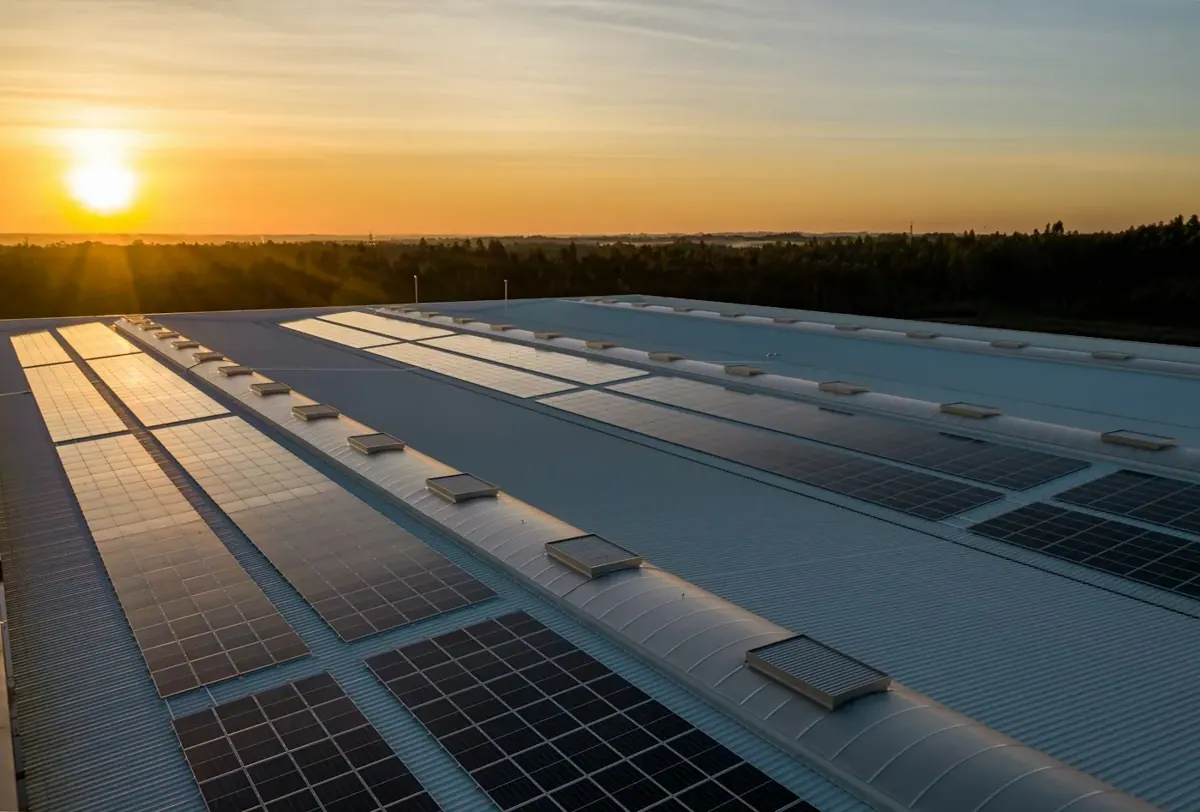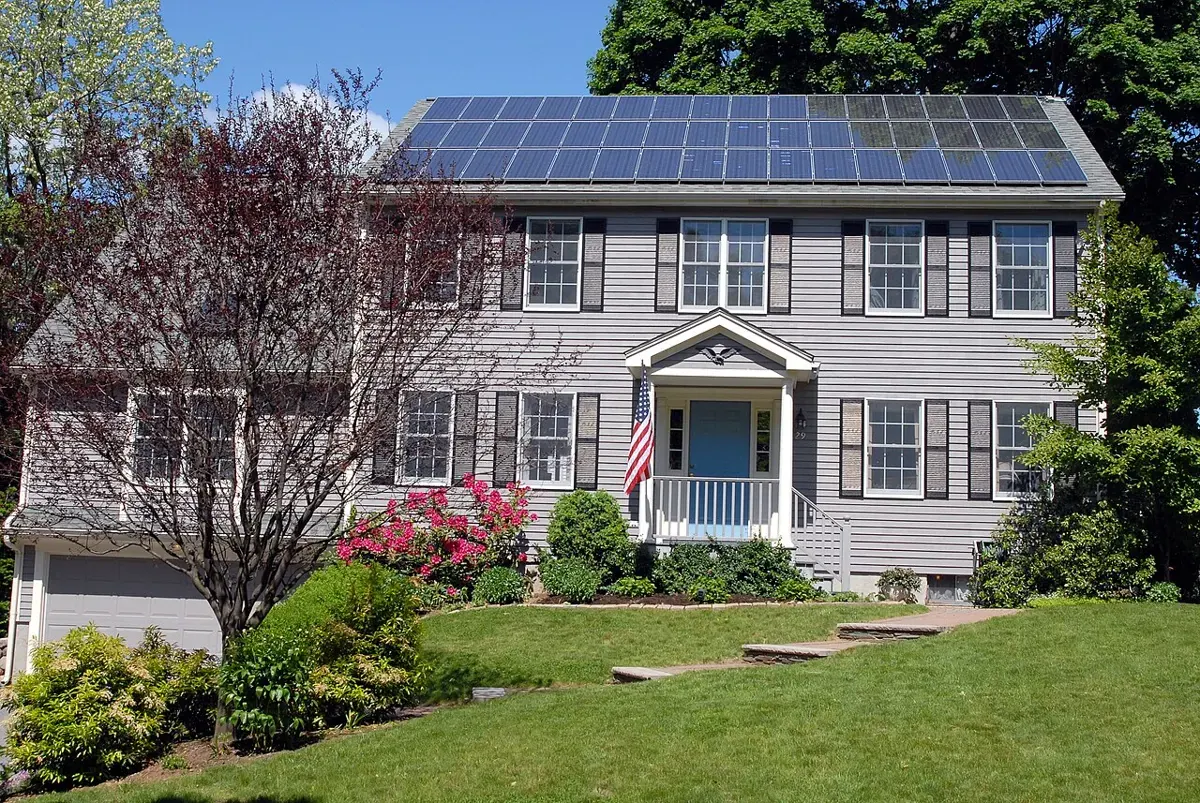
A roof can look perfect for solar from the street and still need a closer inspection. A chimney may cast a long winter shadow. The roof covering may be approaching replacement. Meanwhile, the household below might use most of its electricity after sunset. A useful solar plan brings the roof, the electricity account and daily routines into the same conversation.
Start with the electricity you actually use
Gather a full year of bills and record energy in kilowatt-hours, rather than the amount paid. Prices can change while consumption stays similar. Mark unusual months, such as a long holiday or a temporary guest. If an electric vehicle or heat pump is planned, show that separately instead of quietly adding an unexplained allowance. The aim is a demand picture that another person can understand and question.
Treat the roof as part of the system
Ask for a site assessment covering roof condition, useful area, orientation and shade across the year. A south-facing roof is not the only workable roof; the relevant direction depends on hemisphere, and east-west arrangements can spread production across the day. The assessment should explain the expected output for this particular site. A panel's laboratory rating is not a promise about annual electricity production.
Read the proposal from both ends
At one end is the hardware: panels, inverter, mounting and electrical work. At the other are permissions, meter changes, export arrangements, monitoring access and responsibility if something stops working. Compare proposals using the same household demand and tariff assumptions. Keep any battery proposal separate so its purpose is visible. Before agreeing, ask who handles a roof leak, who provides service, and what happens if the installer no longer trades. These practical questions make an impressive-looking quote much easier to judge.
A worked example: production is not the same as self-supply
Consider an imaginary household using 4,000 kWh a year and an array expected to generate 3,600 kWh. Dividing generation by consumption gives 90 percent. That does not mean solar supplies 90 percent of the household's electricity as it is used. Suppose 1,500 kWh of generation coincides with demand and is used directly. The remaining 2,100 kWh is exported, while the home still imports 2,500 kWh. These figures ignore storage and are deliberately simplified to make the timing visible.
Two ratios now answer different questions. The household gets 1,500 divided by 4,000, or 37.5 percent, of its annual demand directly from solar. It consumes 1,500 divided by 3,600, or about 41.7 percent, of the solar electricity it generates. Both can be useful, but neither should be substituted for the other. A proposal should explain which ratio it presents and how the hourly overlap was estimated.
Compare two quotes on one sheet
Create one column for each proposal and use identical row labels: panel capacity, inverter capacity, annual generation, roof work, electrical work, monitoring, warranties and total installed price. Add a separate section for financial assumptions, including import prices, export prices, annual price changes and maintenance. If a quote bundles a battery, request the solar-only version too. This reveals whether the difference comes from equipment, installation scope or optimistic assumptions.
Leave unknown entries visibly blank until they are answered. Do not fill them with a guess just to make the columns look complete. A cheaper quote with omitted roof repairs is not directly comparable with one that includes them. Likewise, an expensive proposal may contain useful work or unnecessary extras. The comparison sheet is a tool for finding those differences, rather than a formula that automatically picks the lowest number.
Make installation day the beginning of a record
Before handover, ask for the final layout, equipment list, commissioning record, approved shutdown instructions and the relevant connection documents. Confirm that monitoring access belongs to the owner and can be transferred if the property is sold. Photograph accessible labels and keep a copy of the paperwork outside the monitoring app. If an app account becomes unavailable, the equipment should not become an unidentified collection of boxes.
Set a calendar reminder to review the first complete month's output and another for the first full year. Record obvious downtime and unusual conditions. Compare the result with the estimate without expecting the weather to repeat the modeled year exactly. This closes the loop between the original proposal and actual operation. The useful outcome is a solar installation whose purpose, expected behavior and service route remain understandable long after the sales conversation has ended.