Shade rarely sits still. A tree that misses a roof at noon in summer can cover part of it on a winter morning. Solar layouts should therefore be informed by the path of shadows, not simply by a photograph taken during a site visit. The location of each obstruction matters as much as its size.
Follow the shadow through time
Ask an assessor to explain how shading was modeled and which future changes were considered. Trees grow; neighboring buildings may change. Existing shade should be represented honestly rather than hidden inside an optimistic annual figure. If two quotes predict very different output, their assumptions about shade are a useful place to begin comparing them.
Hardware helps within limits
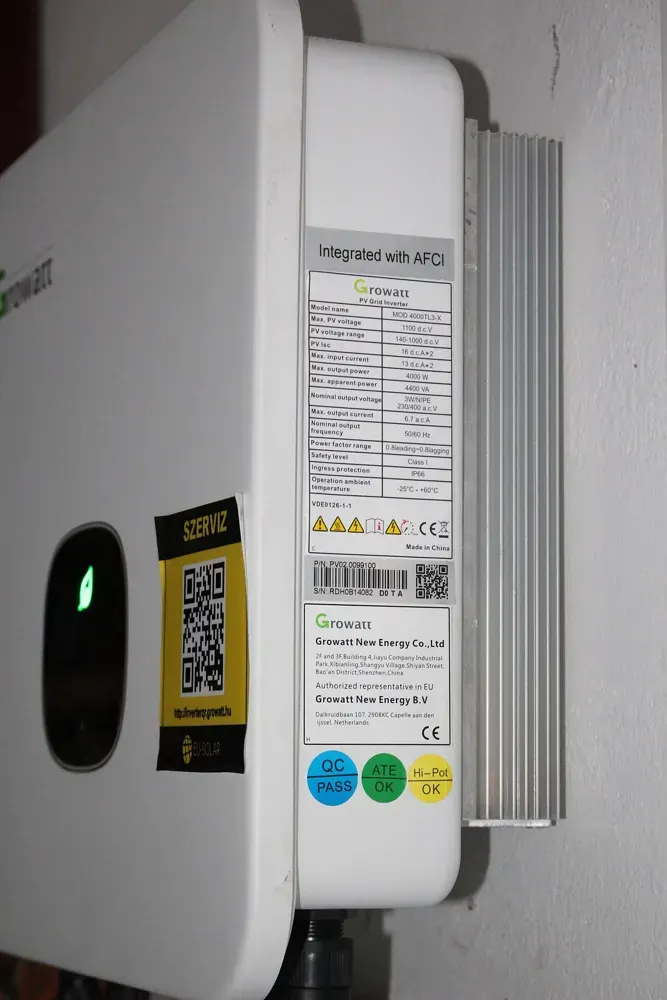
String inverters, microinverters and power optimizers handle panel-level differences in different ways. The best arrangement depends on the roof and the equipment design. Electronics may reduce some mismatch losses, but they cannot recover sunlight blocked by a solid object. Avoid treating a product label as proof that all shading concerns have disappeared. Ask for the expected benefit on the actual proposed layout.
Consider the whole property
Removing a mature tree is not a trivial energy decision. The tree may shade the home, support wildlife and make outdoor space usable. A smaller array on an unshaded roof section, a different orientation or a suitable community energy option may be preferable. Record what would be gained and lost before changing the landscape. After installation, keep a seasonal record of output and visible shading from a safe ground-level position. If performance changes, that simple history gives the installer a better starting point than a general impression that the system is producing less.