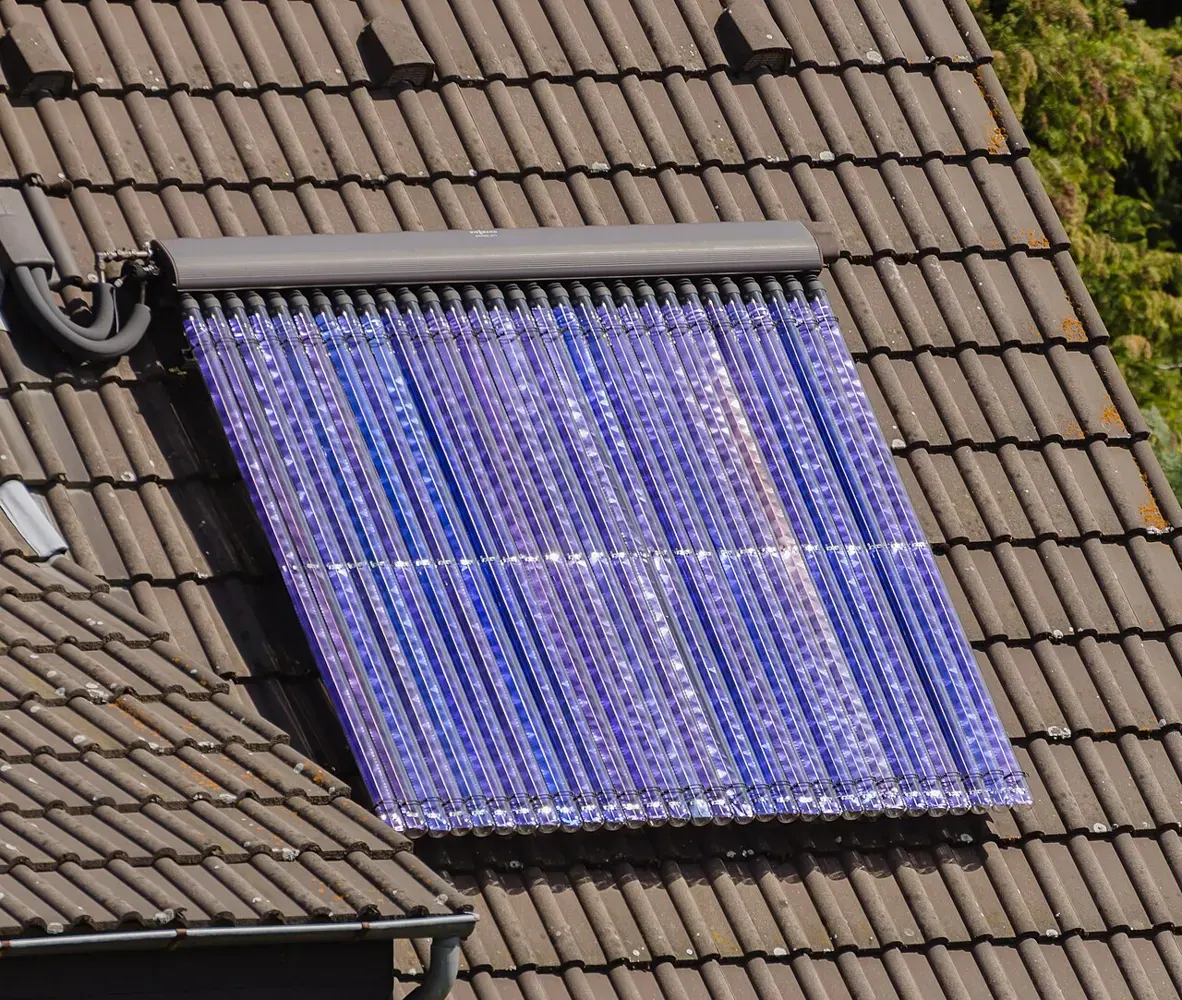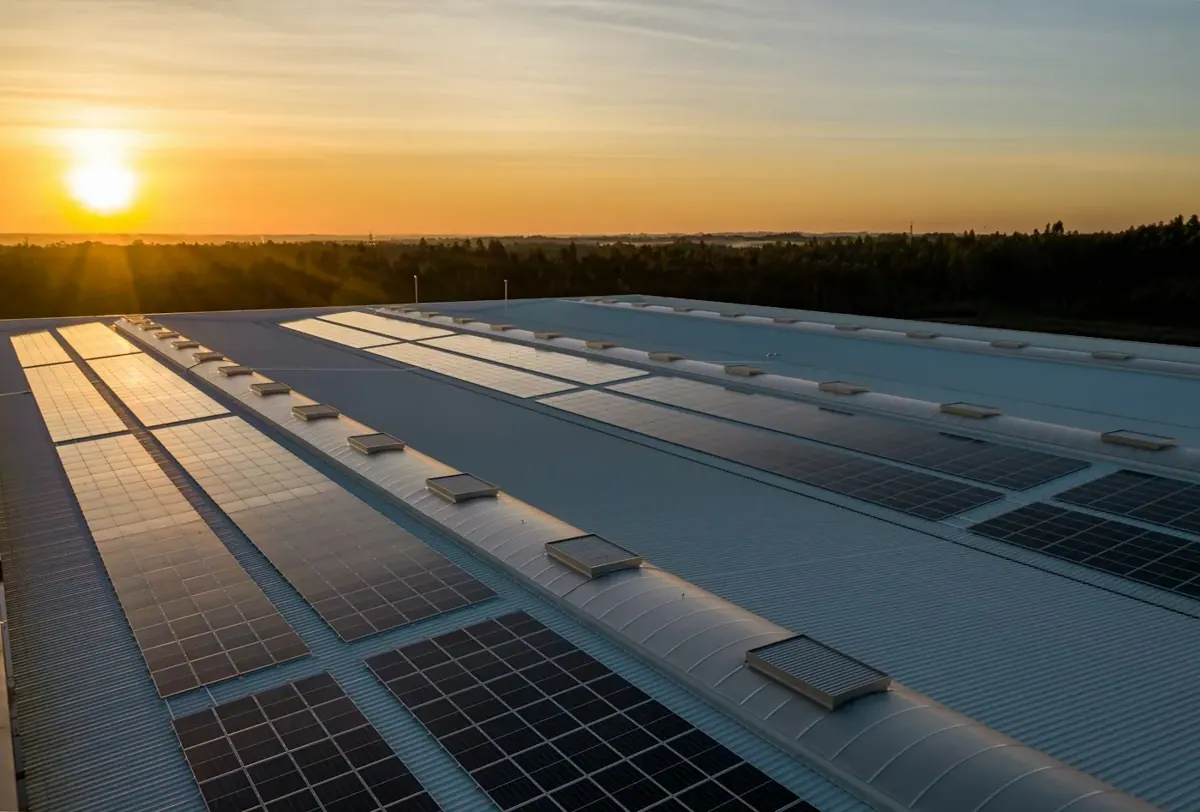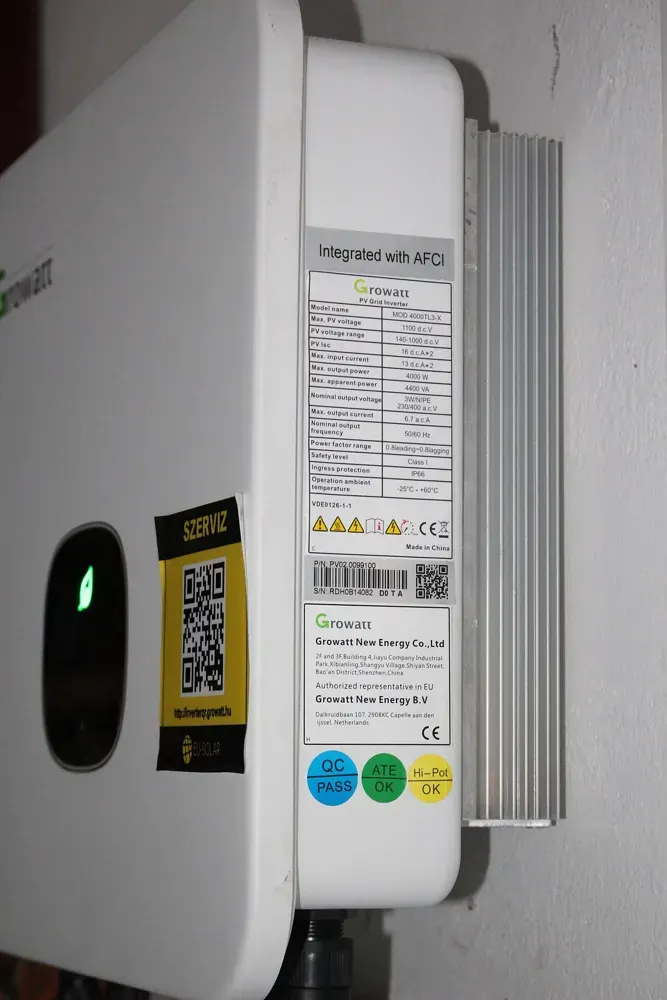
A rooftop array is easy to forget when it is working quietly. A modest maintenance routine helps identify changes without turning the homeowner into a rooftop technician. Electrical equipment and roof access require appropriate expertise. The owner's most useful role is often noticing a pattern and preserving enough information for a professional to investigate it.
Establish an ordinary baseline
Save the commissioning documents, expected monthly output and the first complete year of generation. Note shading changes, building work and unusually poor weather. Compare similar periods rather than expecting every month to match. When a monitoring app reports a problem, check whether it is describing lost communication or lost generation; these are different events with different remedies.
Inspect what is safely visible
From ground level, look for obvious damage, loose-looking components, heavy debris or new obstructions. Never touch exposed wiring or attempt to move a panel. If animals appear to be nesting beneath an array, contact the installer about appropriate exclusion methods. Ad hoc mesh or improvised fixtures can interfere with equipment or roof drainage.
Let evidence guide cleaning
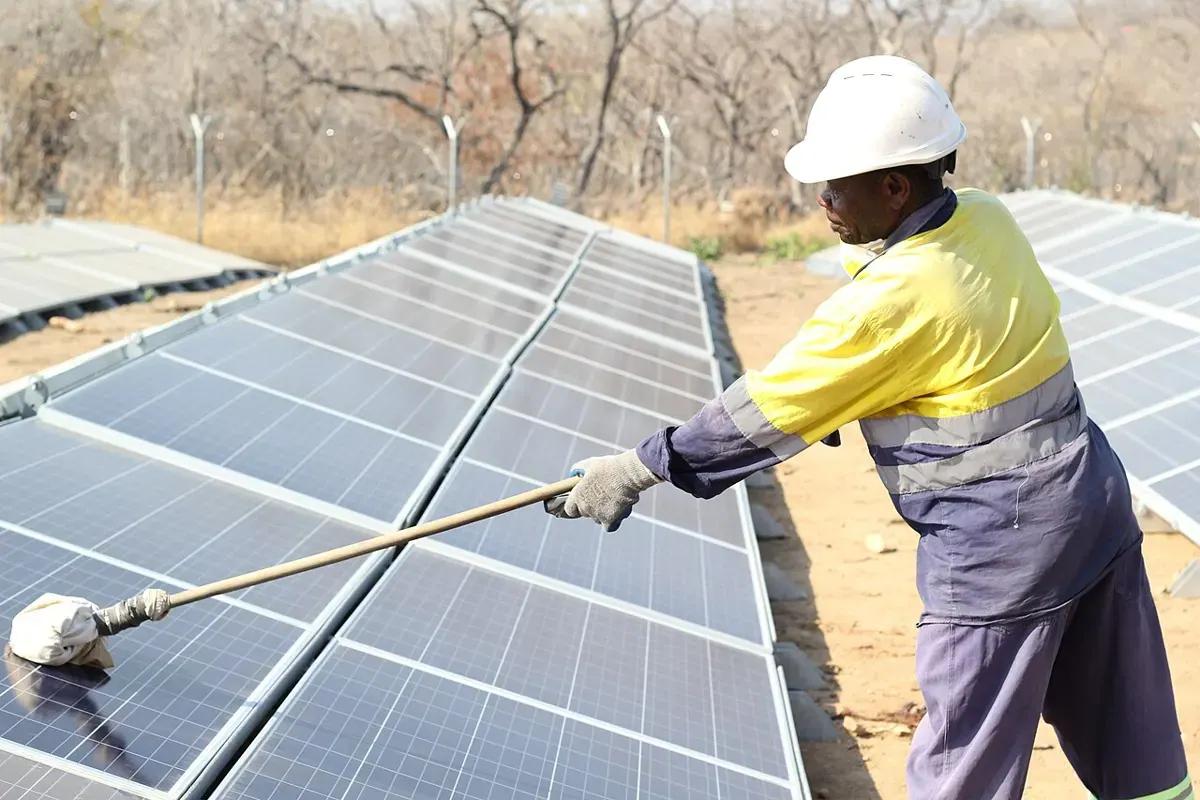
Cleaning needs depend on rainfall, dust, nearby trees, birds and the installation. A universal cleaning timetable can be wasteful. Ask the manufacturer and installer what they recommend, including any limits on water pressure, chemicals and access. Record the cost and observed effect if professional cleaning is used. An unexpected output drop may come from an inverter issue or disconnection rather than dirt. Diagnose before paying for a service that cannot address the actual cause. A short annual review of output, alerts and warranty records is a practical place to begin.