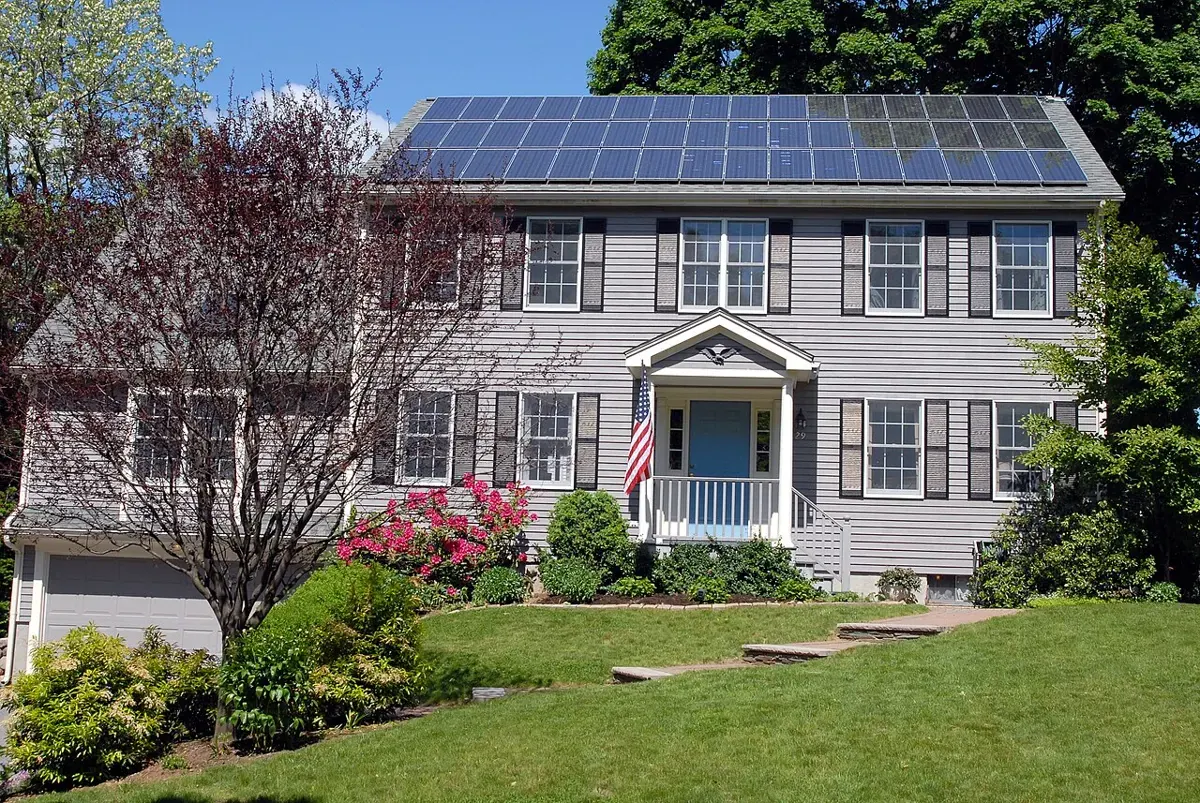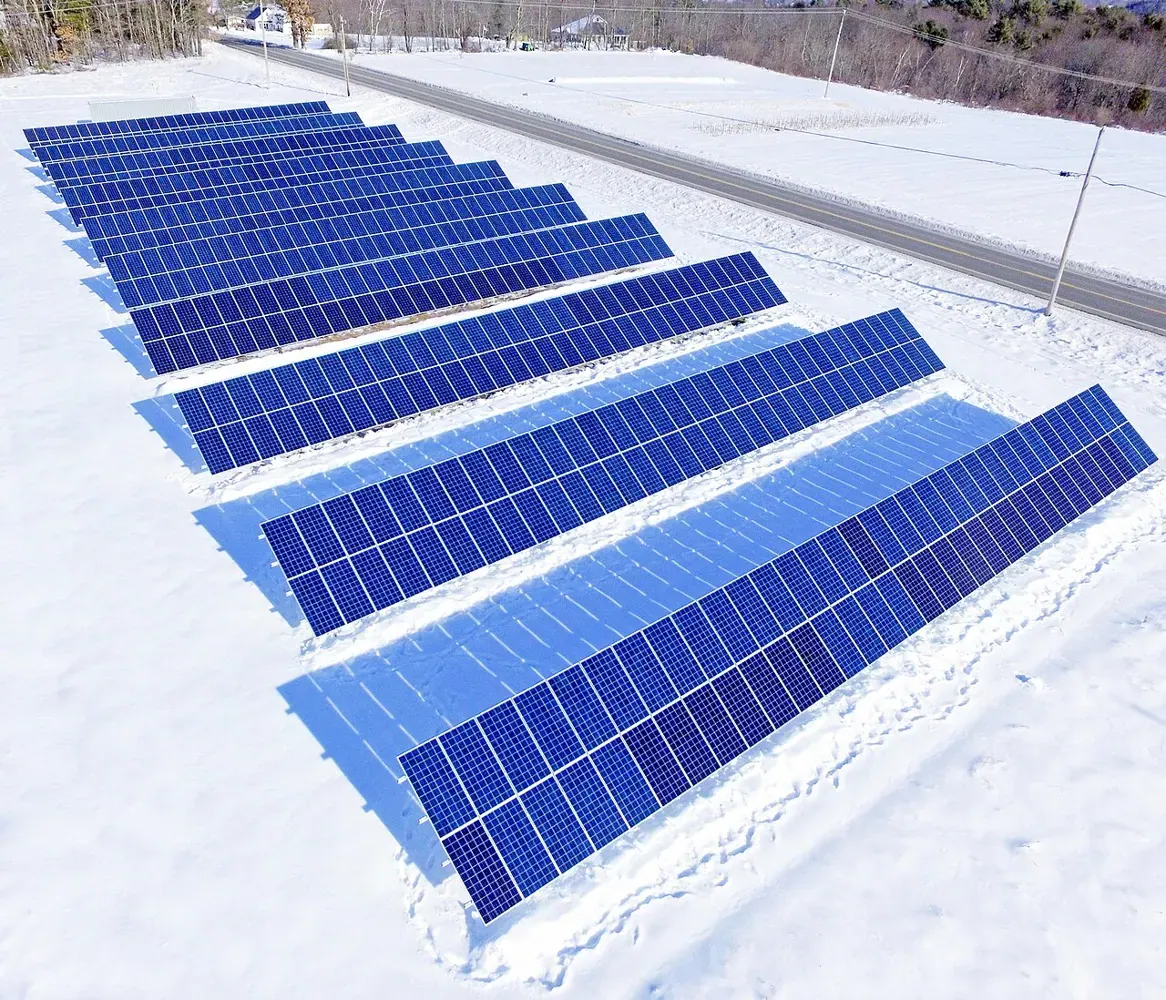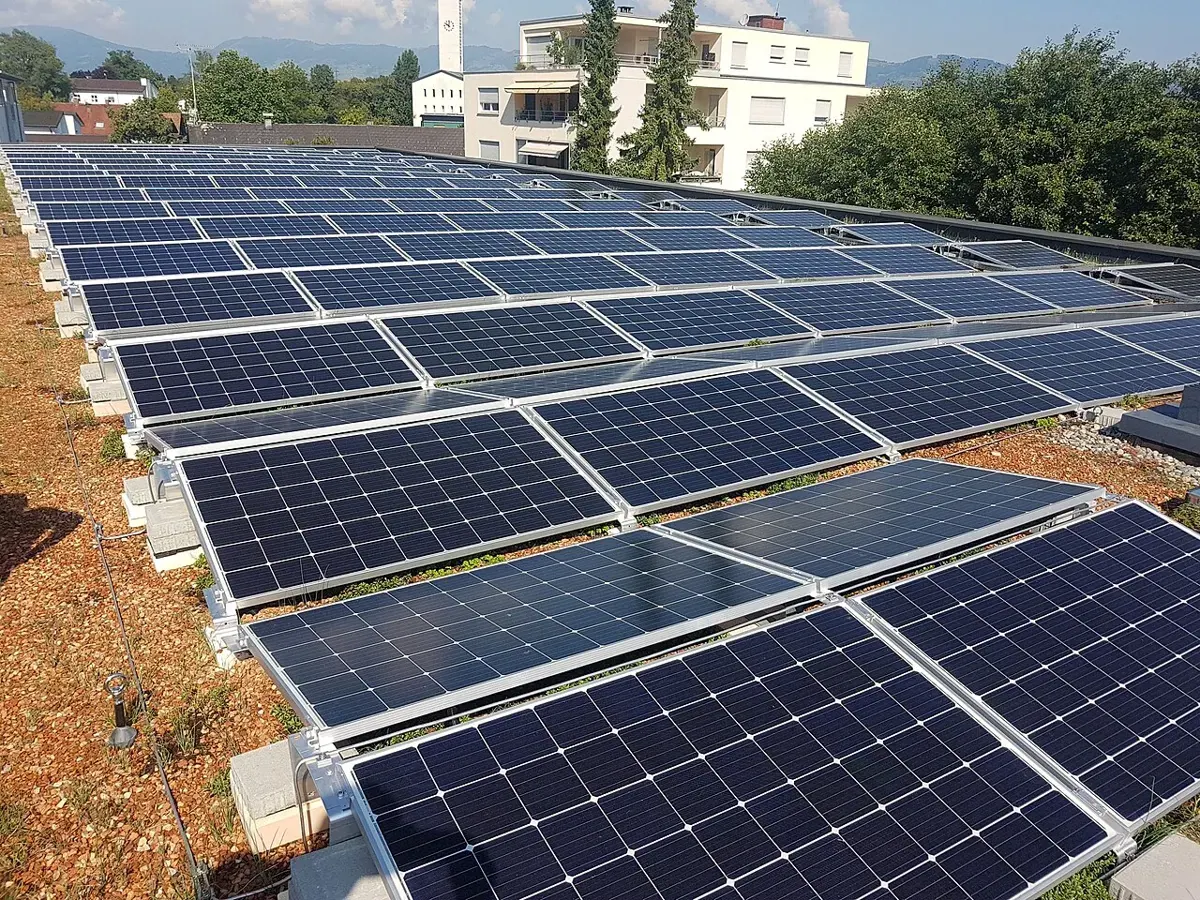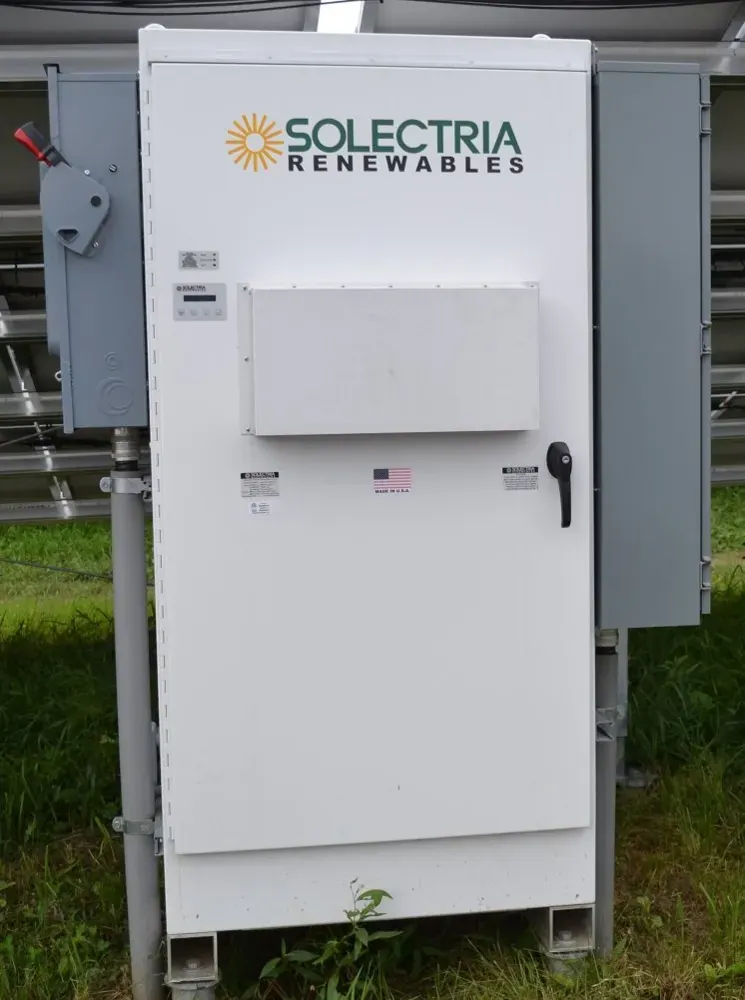
It can feel surprising to lose household power while sunlight is falling on the roof. Many grid-connected solar systems shut down when the network fails. This behavior helps prevent electricity from being fed into a network that is supposed to be de-energized. Backup operation requires a system designed to separate safely from the grid and support selected loads.
Ask what backup actually includes
An installation may have solar panels but no battery, a battery without backup capability, or a battery that serves only a dedicated group of circuits. These are different arrangements. Ask the installer to identify the circuits that remain available, the maximum supported power and any startup limitations for large appliances. A marketing phrase such as energy independence does not answer those questions.
Plan around essential services
Lighting, communications and refrigeration may be priorities, while electric cooking or whole-home heating can require much more power. Make a written list before choosing equipment. Runtime depends on stored energy, the reserve setting and actual consumption. Solar may recharge a compatible system during an outage, but that ability depends on the inverter, controls, available sunlight and system configuration.
Make the handover practical
Request a demonstration of the approved backup procedure and keep the instructions somewhere accessible without internet access. Learn what the status lights mean and whom to contact if the system does not behave as expected. Do not improvise connections between a portable power source and household wiring. The useful measure of resilience is what the system can reliably support in a specific outage scenario. That is much more concrete than the number of panels visible on the roof.