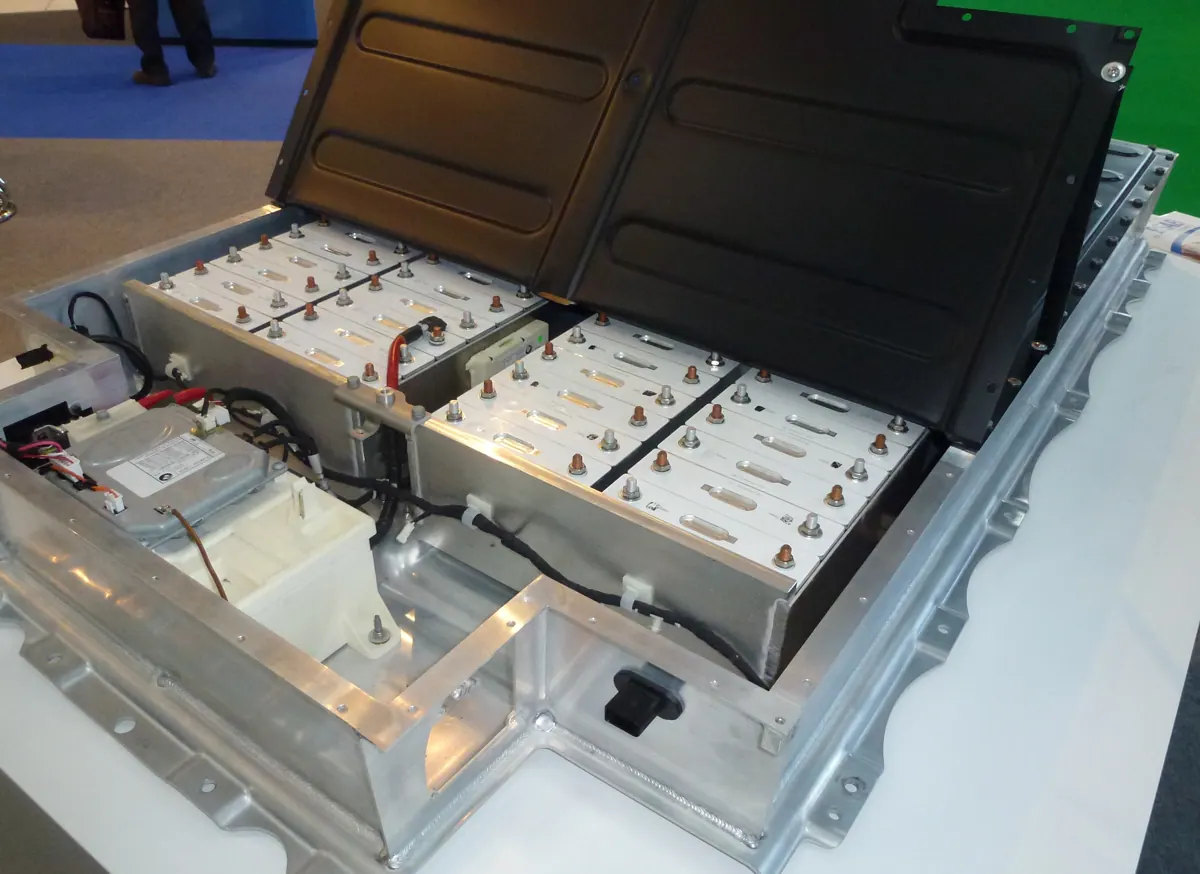
Clean-energy equipment requires materials, including metals used in wiring, batteries, magnets and structural components. Some are considered critical because of their economic importance and supply risks. The relevant list and risks vary by jurisdiction and technology. A broad statement that renewables need minerals is a starting point, not a complete assessment.
Name the technology and material
Different battery chemistries use different ingredients. Not every wind turbine uses the same generator design. Solar manufacturing also varies. Specificity prevents a concern about one supply chain from being applied indiscriminately to every product. Ask what the proposed equipment contains and where credible sourcing information is available.
Include social and environmental conditions
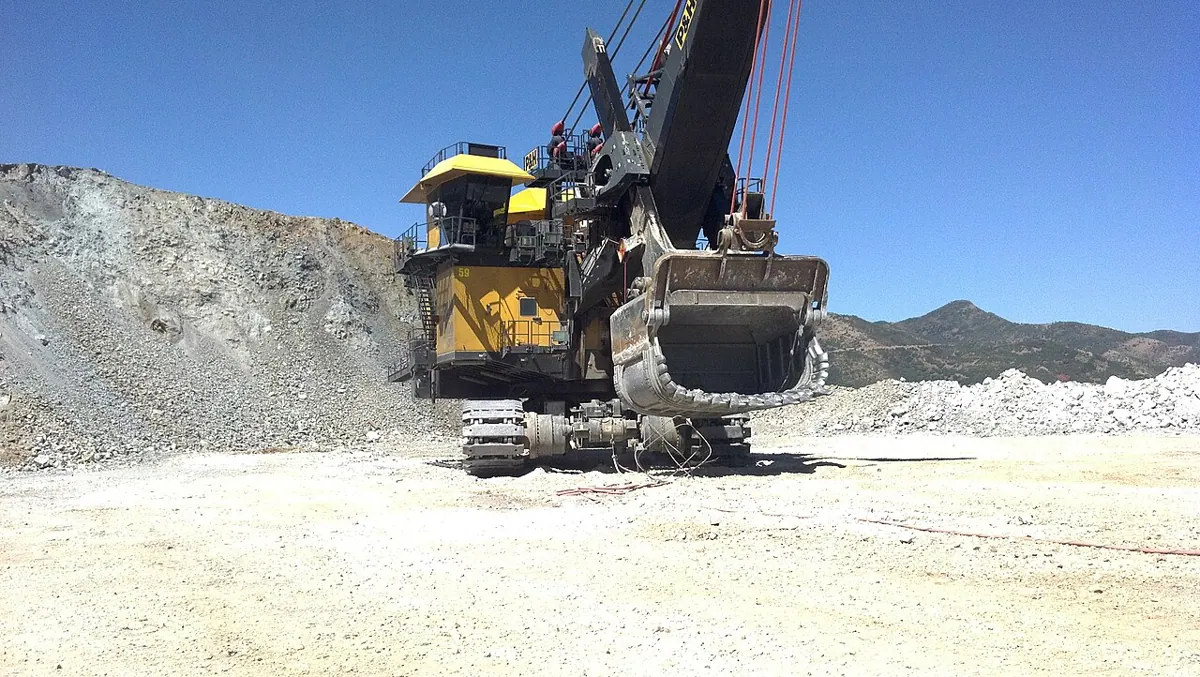
Mining and processing can affect workers, communities, water and ecosystems. Traceability, oversight and supplier practices matter. A recycled-content claim may reduce some demand for primary material, but it should still be supported by a clear method. No single label settles all supply-chain concerns.
Reduce unnecessary demand
Appropriate product sizing, long service, repair, reuse and recycling can all reduce the need for new material. Substitution and technology development may also change demand over time. Responsible energy planning combines deployment with attention to these pathways. The useful question is how to provide the required energy service with a transparent and improving material supply chain, rather than pretending that any industrial system can be built without resources or that resource use makes all alternatives equivalent.