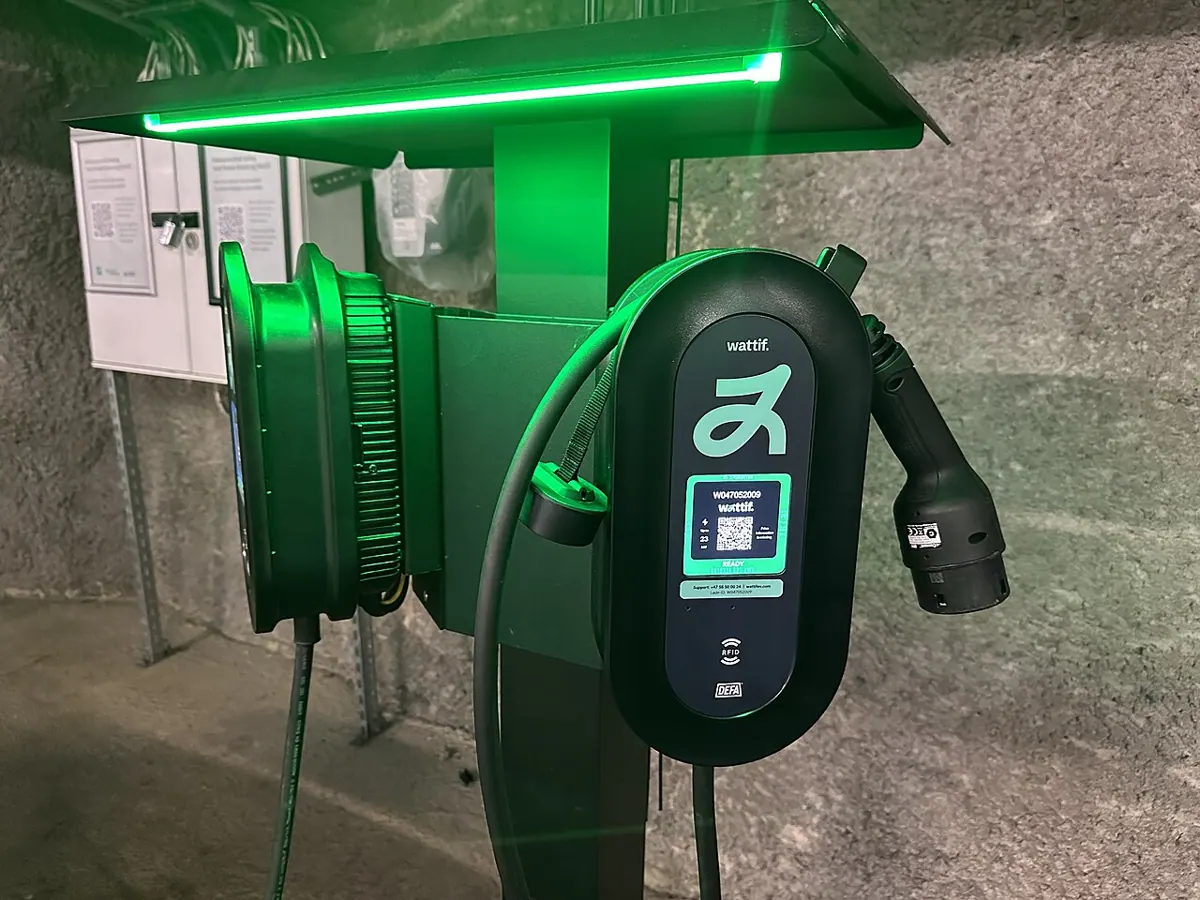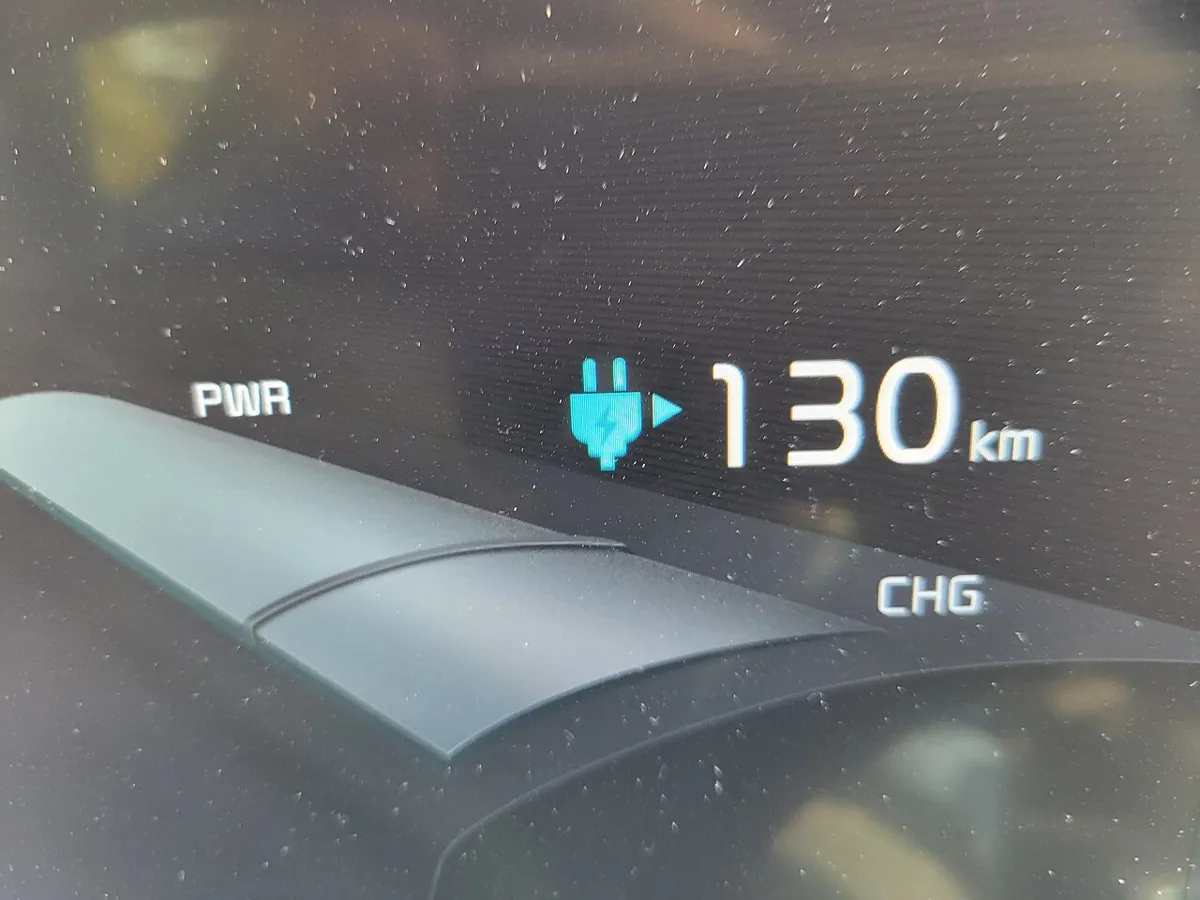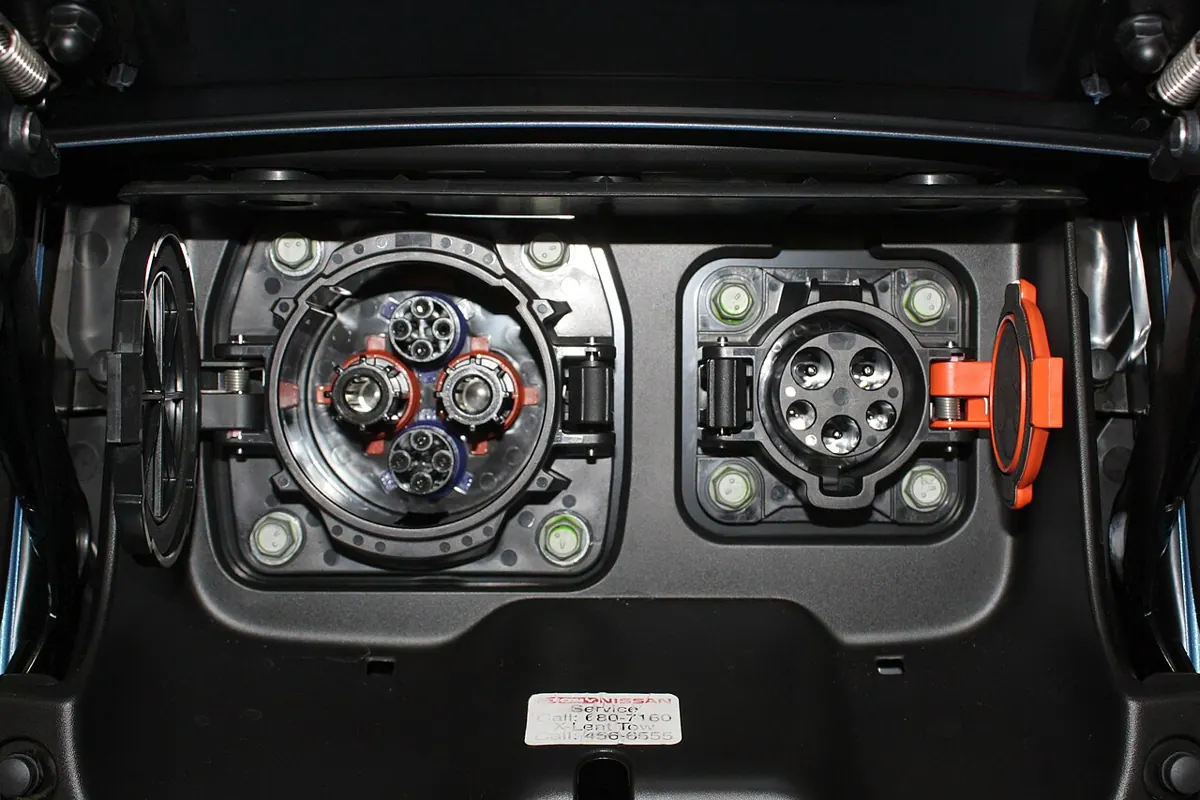
An electric vehicle stores a substantial amount of energy, which makes backup power an appealing idea. But exporting that energy to a home requires compatible vehicle hardware, charging equipment, controls and electrical installation. A large battery alone does not establish that the car can safely supply household circuits.
Distinguish the available functions
Powering a small appliance from a supported vehicle outlet is different from connecting the vehicle to a building. Vehicle-to-home and vehicle-to-grid arrangements involve additional interfaces and permissions. Check the exact model, equipment and local availability rather than assuming a feature advertised elsewhere is supported in your installation.
Protect the driving requirement
The vehicle still needs enough energy for its next journey. A backup plan should state the minimum driving reserve and who can change it. Availability also matters: a car cannot support the home if it is parked elsewhere during the outage. Household resilience should not quietly depend on an assumption that the vehicle is always present.
Read the operating terms
Warranty treatment, control rights, tariffs and connection requirements can differ. Ask the installer to explain changeover behavior, supported loads and what happens if communications fail. Use qualified professionals for any building connection. Bidirectional power can make one battery serve more than one purpose, but coordination is the essential work. The useful question is whether the complete arrangement can deliver a specified household service while preserving the vehicle's primary job of getting people where they need to go.