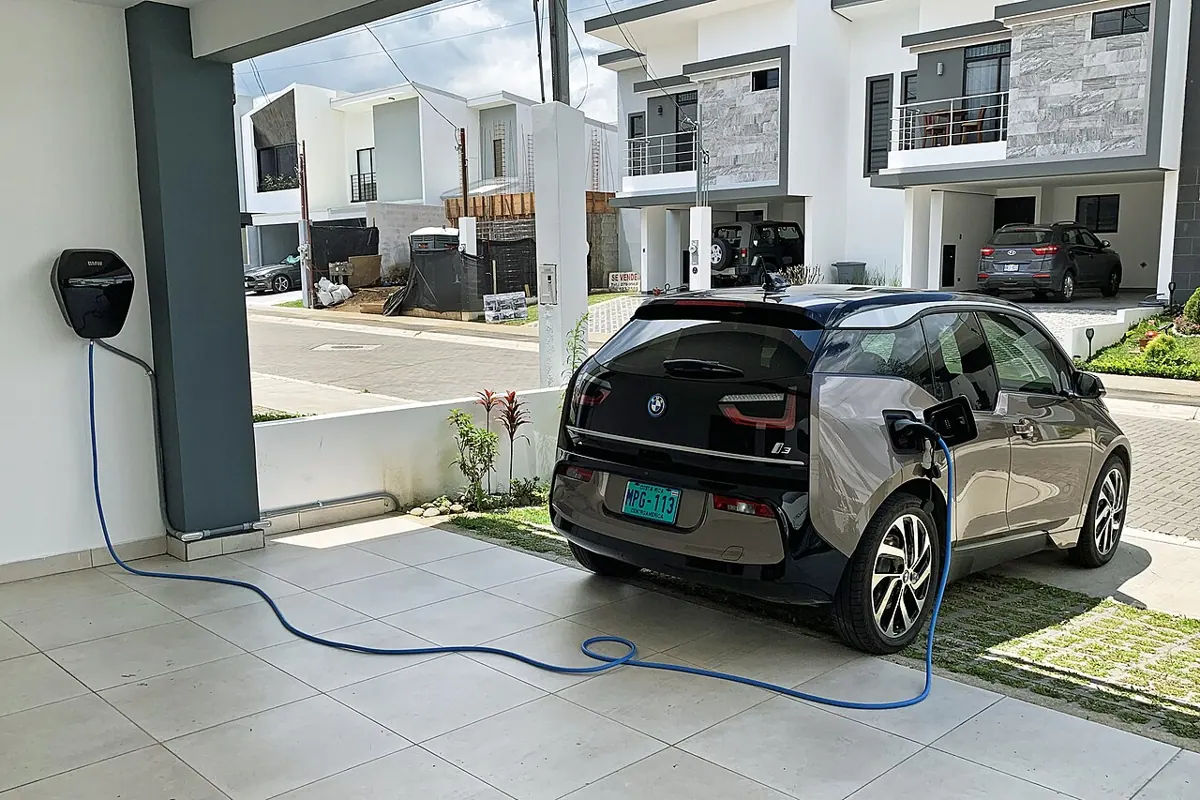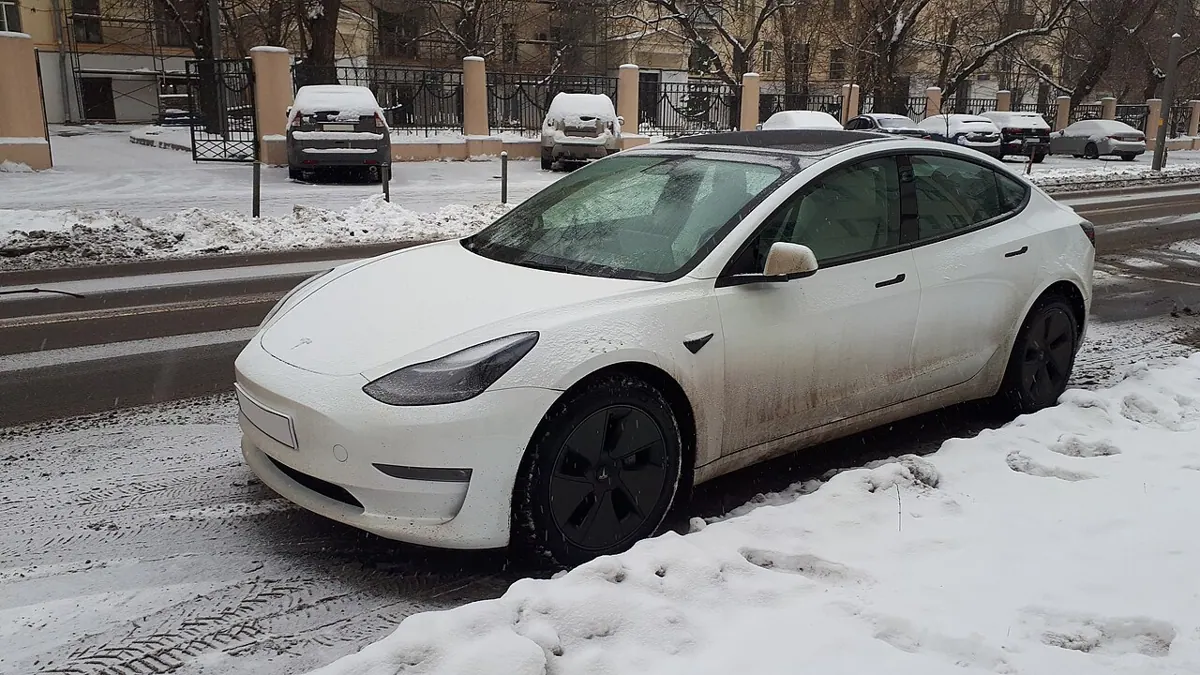
Winter can increase the energy needed for a journey and alter charging behavior. The cabin needs heat, the battery operates under different conditions, and wet or snowy roads can add resistance. Treating all of this as a single fixed percentage loss obscures the variation between vehicles, trips and weather.
Look at the journey length
Heating a cold cabin can be a noticeable part of a short trip's energy use. On a longer drive, that initial demand is spread across more distance. Speed, wind and elevation also matter. Use the vehicle's route planner and recent consumption as practical inputs, while keeping a margin for conditions that differ from the forecast.
Prepare according to the manual
Some vehicles support scheduled cabin conditioning while plugged in, or battery preparation before a fast-charge stop. These features depend on the model and setup. Understand what the car actually does rather than assuming every preheat function also conditions the battery. Follow manufacturer guidance for charging and cold-weather operation.
Keep the fallback ordinary
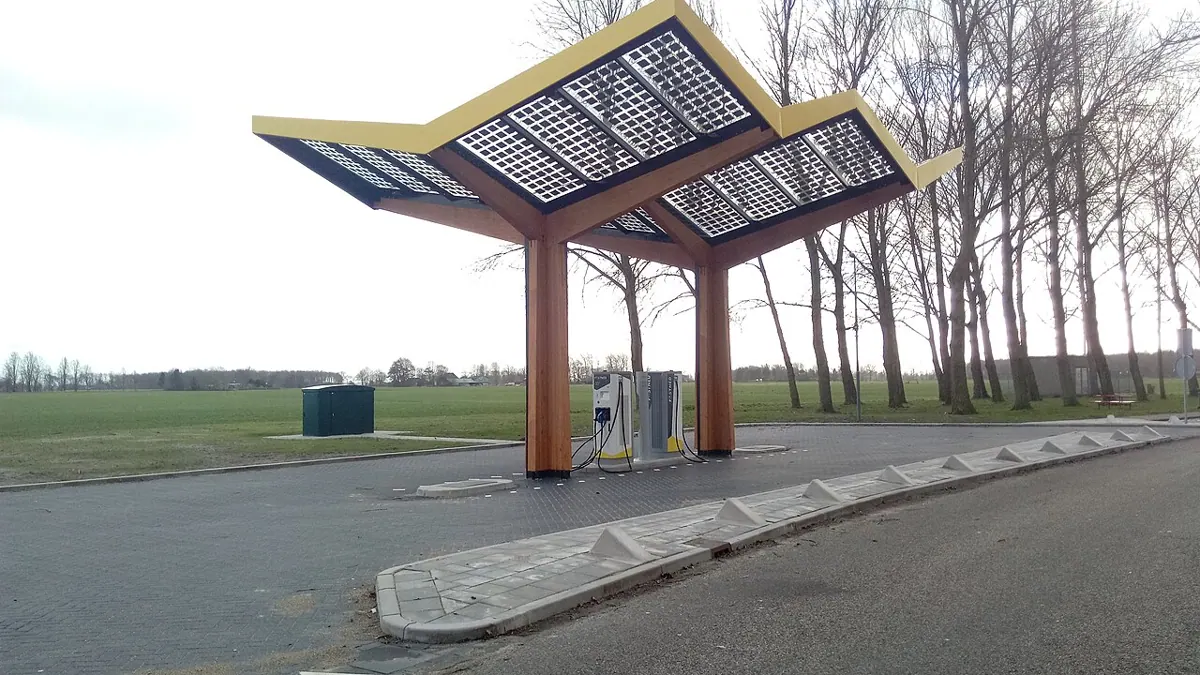
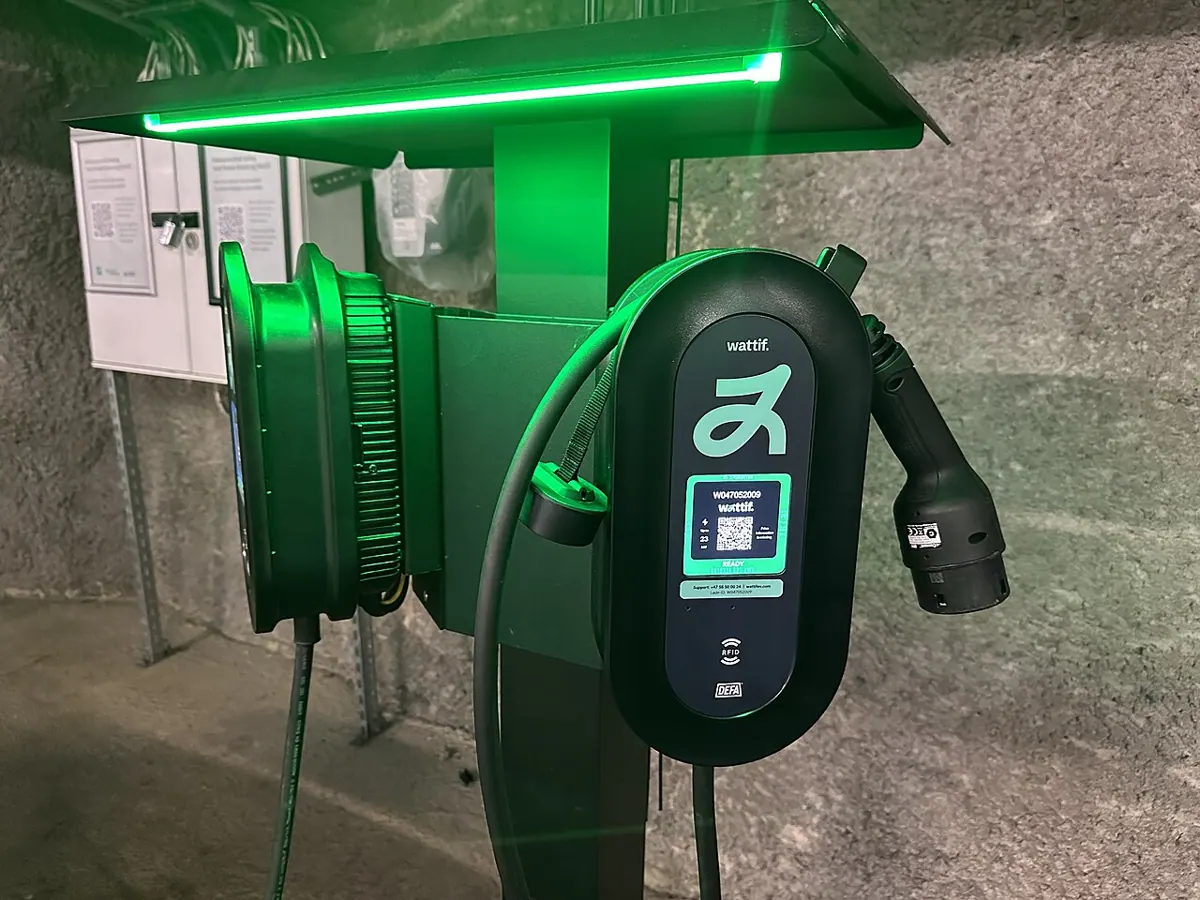
Choose charging stops with alternatives and suitable facilities. Check access conditions during severe weather and avoid arriving with an unnecessarily narrow energy margin. Tires, visibility and road safety remain more important than maximizing efficiency. Winter planning does not require treating every journey as an expedition; it requires recognizing that the same route can demand different energy in different conditions. A realistic margin and familiarity with the car's controls make the seasonal change easier to manage.