An electric vehicle advertised with a high charging peak will not necessarily maintain that power from nearly empty to full. Battery temperature, state of charge, vehicle controls and charger capability all affect the session. The power usually changes as charging progresses, creating a curve rather than a flat line.
Compare a useful charging window
For a road trip, the time needed to add enough energy for the next leg may be more useful than time to a completely full battery. Compare compatible test conditions and state-of-charge windows. A peak figure alone cannot show average power across that interval. Two vehicles with different peaks can have closer practical stop times than the headline suggests.
Remember the charger and site
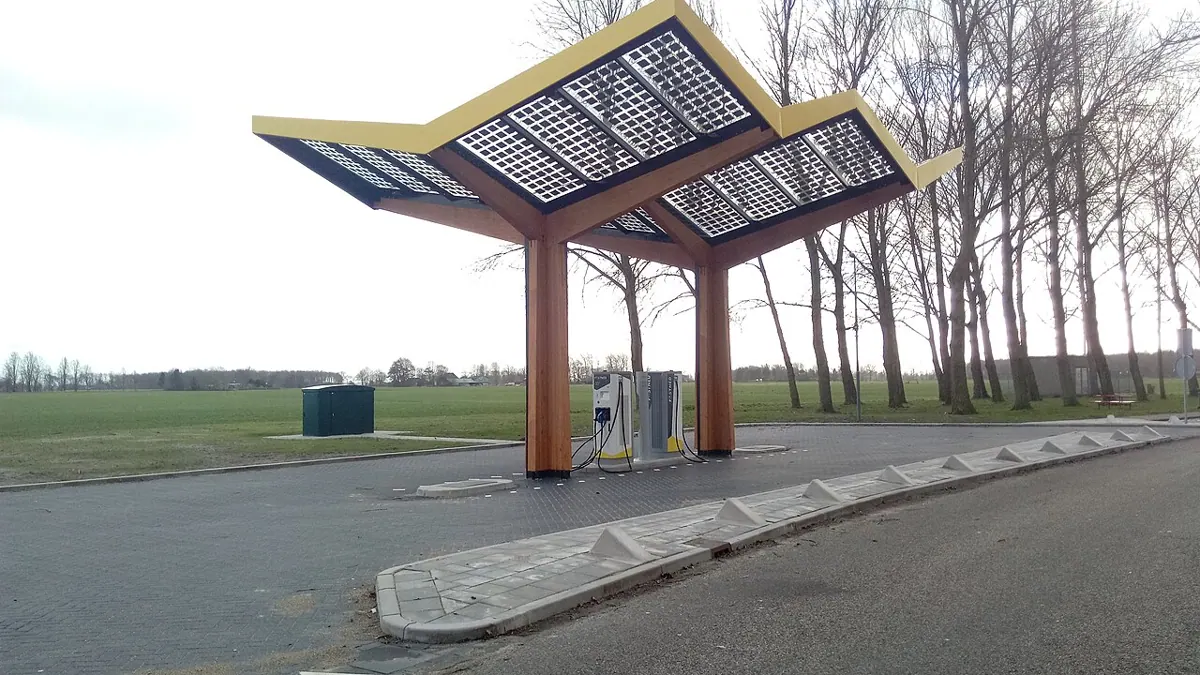
The station's rating is a maximum capability under specified conditions. Power sharing, equipment limits and the vehicle's own acceptance rate can reduce delivery. A cold battery may behave differently from one prepared for fast charging. Follow the vehicle's instructions for any preconditioning feature and do not assume that plugging into a larger charger removes every limit.
Plan around the whole stop
Access roads, queues, payment and walking to facilities contribute to journey time too. A reliable site with useful amenities can be preferable to a theoretically faster but awkward location. Keep enough margin to reach an alternative if necessary. Charging curves help explain why real travel planning should combine vehicle behavior with the practical quality of the stop. The best number is the one that answers the journey question you actually have, not simply the largest kilowatt value in the brochure.