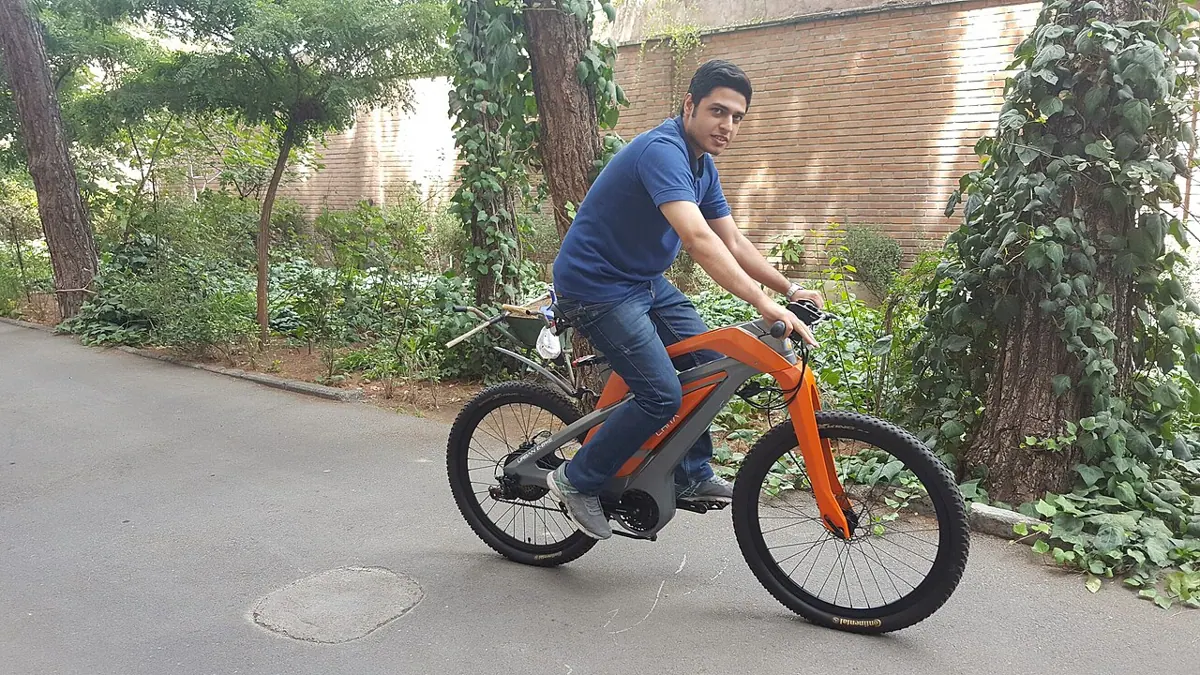
An e-bike can make a hilly route, a longer commute or a grocery trip more manageable. Its energy value depends partly on the journey it replaces. Substituting for a car trip is different from substituting for a walk. The practical goal is a reliable alternative for a specific set of journeys, not simply ownership of another device.
Choose one repeatable route
Start with a journey that happens often and has a manageable distance, secure parking and a comfortable route. Consider intersections, traffic speed and surface quality. A slightly longer protected route may be more useful than the shortest line on a map. Test the logistics before relying on the trip for a time-critical appointment.
Plan for carrying and storage
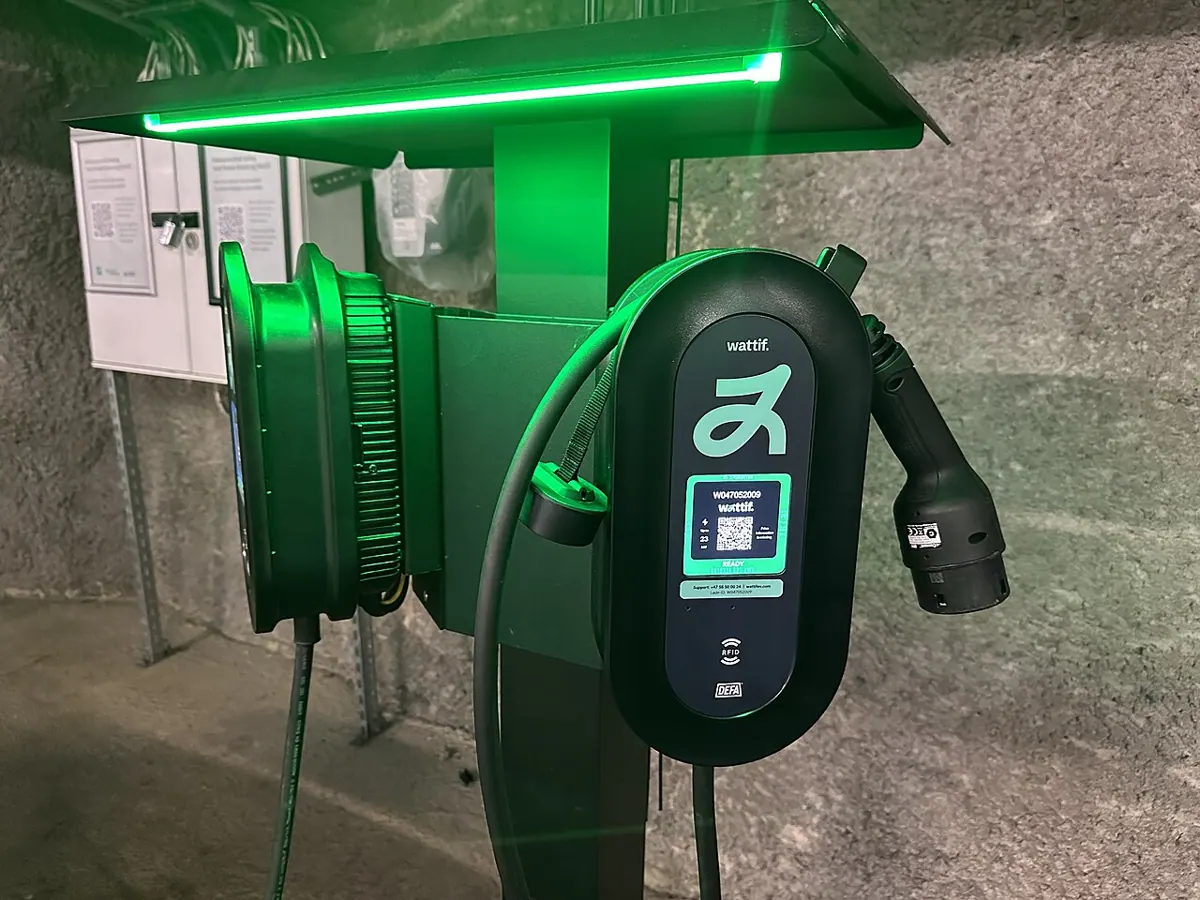
Groceries, work equipment and wet clothing need somewhere to go. Suitable racks or bags can make a bigger difference than extra motor power. Check access to the bike's storage location; a heavy bicycle is less convenient if it must be carried upstairs every day. Charging should follow the manufacturer's instructions with compatible equipment and an appropriate location.
Make the alternative resilient
Have a plan for poor weather, maintenance and the occasional load that the bike cannot carry. Local rules on e-bike categories and use vary, so check the requirements where you ride. A useful transport change does not have to replace every car journey. Replacing a dependable set of short trips can be meaningful and easier to sustain. The success measure is the number of journeys that become practical, comfortable alternatives, not the number of impressive features on the specification sheet.