An electric car fits most naturally into a routine when charging has a dependable place in it. That place may be home, work or a nearby public location. Before comparing vehicles, map where the car is parked, how long it stays there and how far it usually travels. The weekly pattern is often more informative than the longest trip of the year.
Start with ordinary mileage
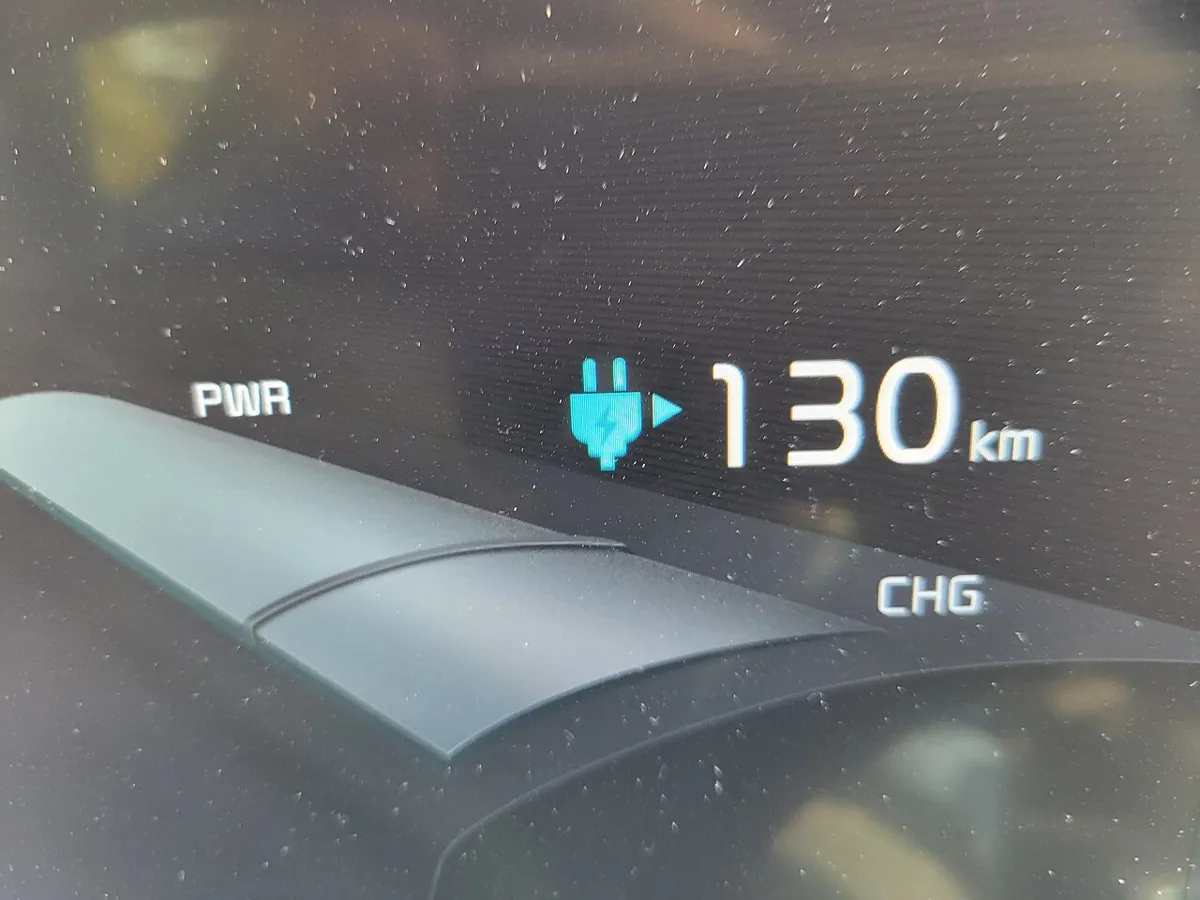
Record a typical week and identify predictable parking periods. A modest daily energy requirement can be replenished over a long parking window without the fastest available equipment. Conversely, a driver with irregular access may need a different arrangement. Use the vehicle's expected consumption as a planning input, allowing for weather and driving conditions rather than assuming one fixed range.
Check the real connection
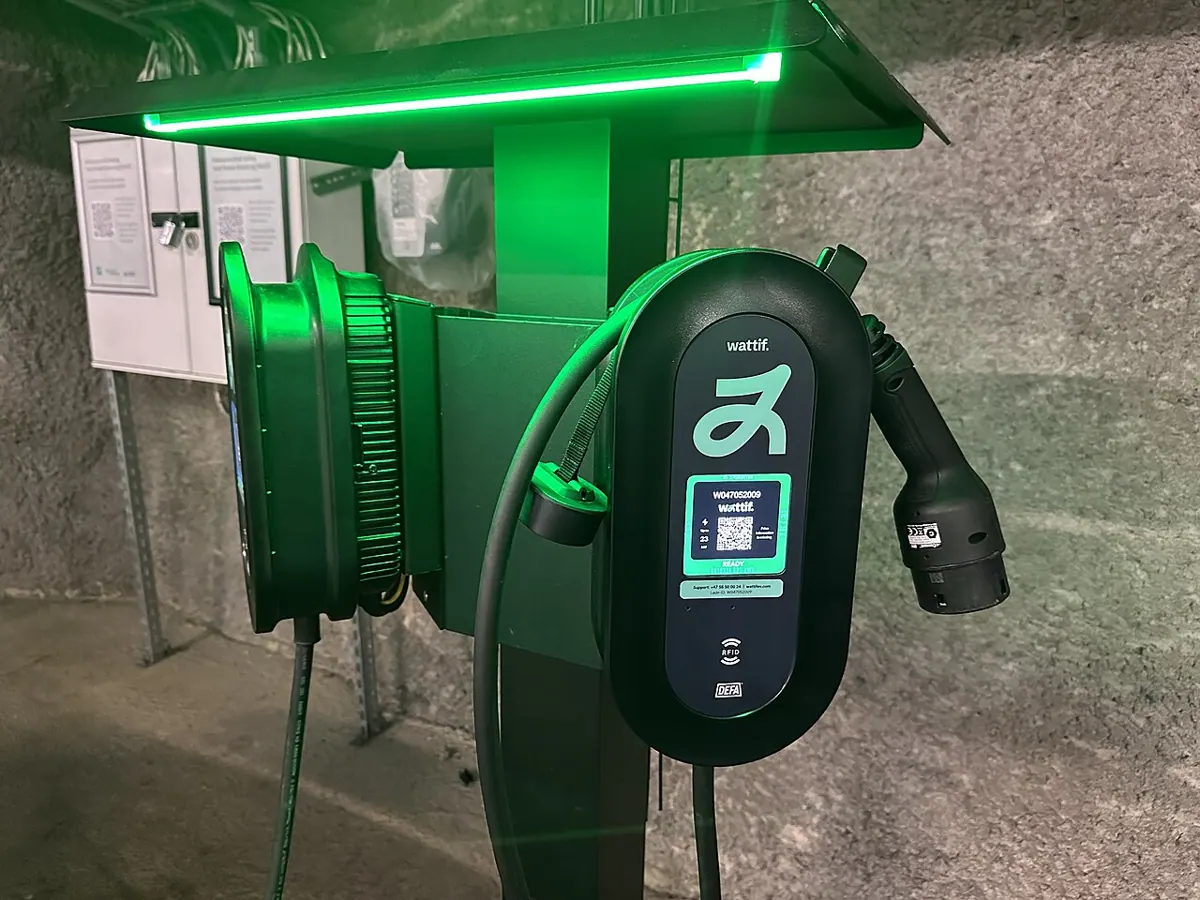
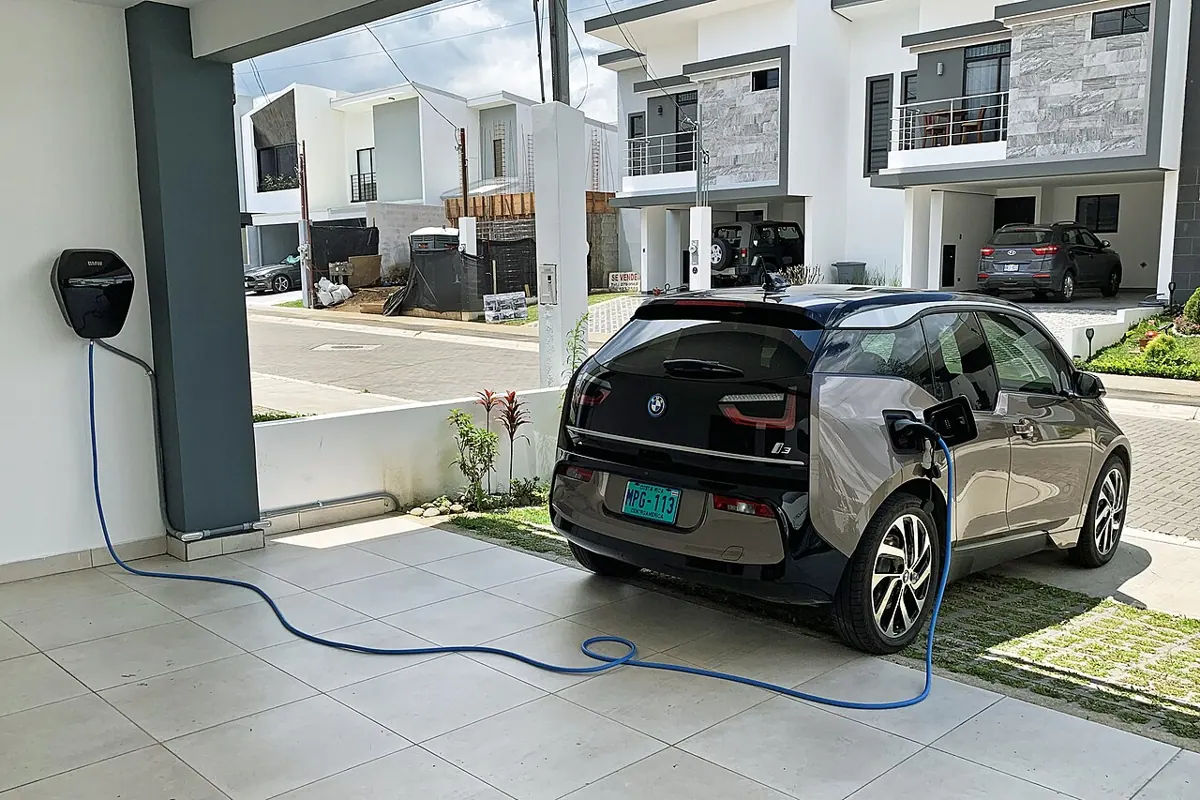
Home charging needs an assessment of the electrical installation and suitable equipment. Shared parking adds permissions, billing and access questions. Public charging should be checked for connector compatibility, opening hours, payment methods and practical reliability. A charger shown on a map is not the same as an available charger at the hour you need it.
Build a second option
Identify an alternative for a blocked parking space, a failed charger or an unexpected journey. Keep the plan simple enough to use on a busy day. Vehicle range still matters, but it should be evaluated alongside access to energy. A slightly different car or charging arrangement may fit daily life better than the model with the most impressive peak charging number. The strongest decision begins with a routine that works, then selects equipment to support it.
Turn a week of driving into an energy requirement
Imagine a driver traveling 200 km in an ordinary week. If an illustrative vehicle consumption figure were 0.18 kWh per kilometer, the driving energy would be 36 kWh. Electricity drawn from the supply would be higher because charging involves losses, and real consumption would vary with conditions. This calculation is a starting point for a conversation, not a promise about any particular vehicle.
Now divide the requirement across the parking windows that genuinely exist. Five long overnight stays create a different charging opportunity from one short visit to a public station. The weekly total may be manageable at moderate power if the car is parked predictably. Before selecting a charger, ask whether it needs to replenish every kilometer immediately or simply restore enough energy before the next departure. That distinction can prevent unnecessary emphasis on maximum power.
Walk through a public-charging fallback
Choose two potential sites and check more than their map pins. Can the vehicle use the connector without an unsupported adapter? Is the location open at the required hour? How is payment started? Is there more than one working port? Consider lighting, accessibility and nearby facilities too. A convenient station during office hours may be a poor fallback late at night.
For an important unfamiliar trip, plan enough energy margin to reach an alternative. Recheck live status when available, while recognizing that availability can change before arrival. Keep required accounts or payment methods ready rather than discovering them at a low state of charge. The purpose is not to create anxiety around ordinary driving. It is to remove avoidable uncertainty through the same kind of preparation used for fuel stops, road closures or any other dependency in a journey.
Give the first month a learning period
After the vehicle and charging arrangement are in use, compare actual consumption with the original plan. Note which parking windows proved dependable and whether the charging schedule finishes before departure. Learn the vehicle's settings for charge limits, scheduled charging and any supported preconditioning. Use the manufacturer's guidance rather than copying another model's settings from a discussion forum.
Review the electricity bill or charging receipts with the energy delivered, keeping parking fees and session fees visible. If charging is inconvenient, identify the specific cause: access, power, scheduling, payment or vehicle behavior. Each suggests a different remedy. A workable electric-car routine develops from these practical observations. The vehicle's specification matters, but the relationship between journeys and charging opportunities is what makes it easy to live with from one ordinary week to the next.