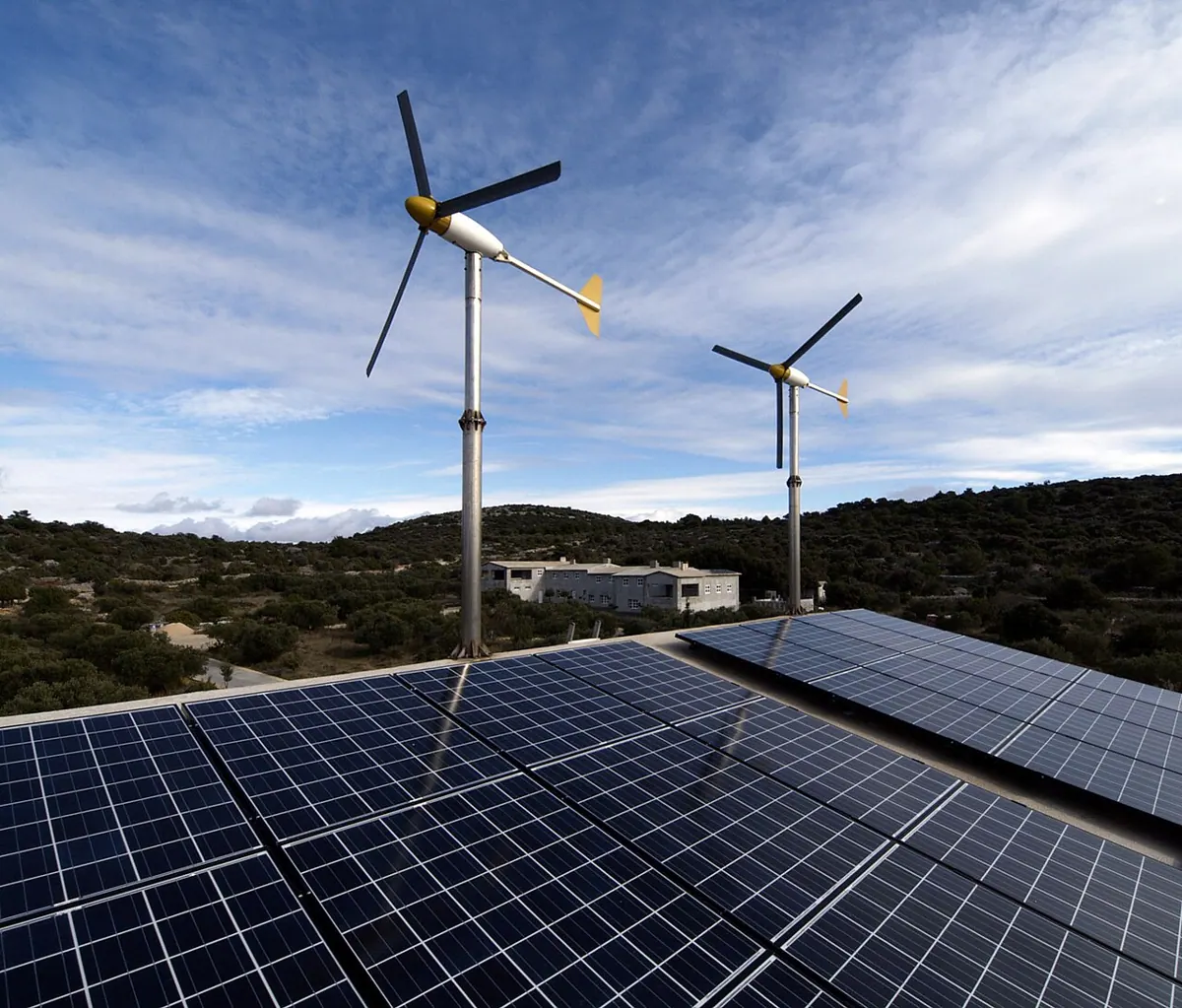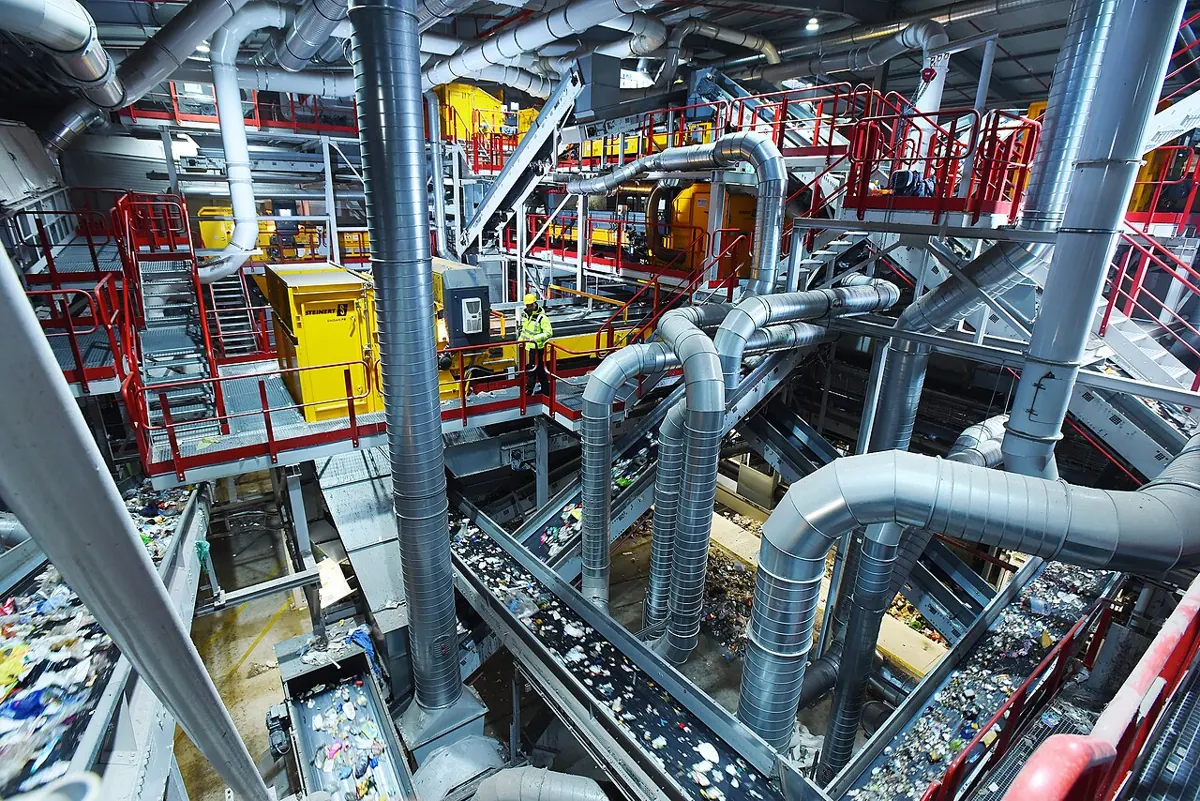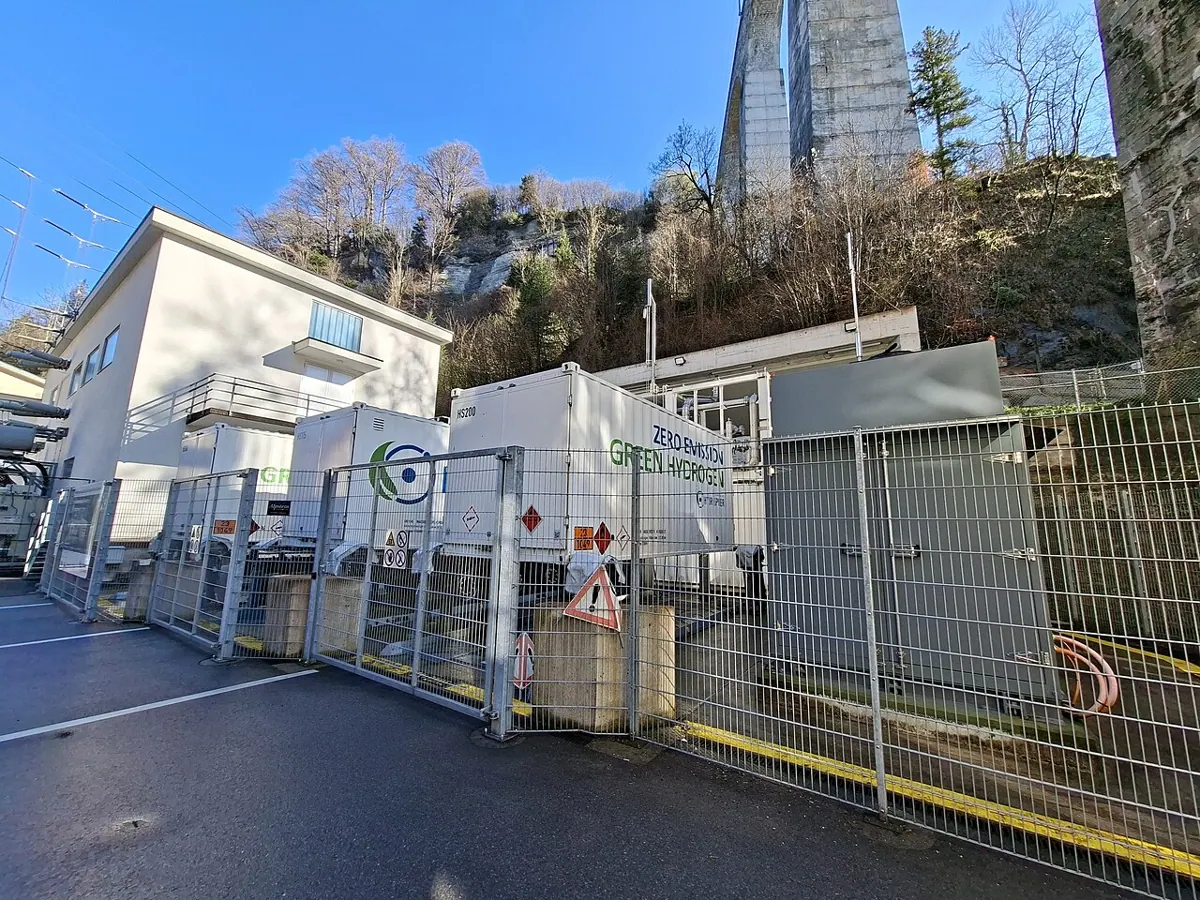
Hydrogen can be produced by splitting water using electricity. When that electricity comes from qualifying renewable sources, the product is often described as green hydrogen, although definitions and certification rules vary. The process converts electrical energy into a fuel that can be stored, transported or used as an industrial input. Conversion requires energy and involves losses.
Start with the end use
Some industrial processes need hydrogen as a material input. Other applications seek a fuel for heat, transport or later electricity generation. Those uses should be compared separately. Where direct electrification can provide the same service, converting electricity into hydrogen and back may introduce additional losses and infrastructure. That does not settle every application, but it is an important comparison.
Follow the full chain
Electricity supply, water treatment, electrolysis, compression or conversion, transport and final use all affect the outcome. A claim focused only on the electrolyzer can leave major parts of the pathway outside the boundary. The timing and source of electricity also matter when assessing emissions.
Distinguish a resource from a solution
Hydrogen's usefulness depends on a customer with a real need and infrastructure that can deliver it. A production target alone does not establish an effective energy service. When reading a proposal, ask what existing process is being replaced and why hydrogen is suitable for that role. The strongest case connects renewable electricity to a defined demand, with the conversion steps, costs and environmental assumptions visible throughout the chain.