Energy discussions often use renewable, low-carbon and clean as if they mean the same thing. They describe different properties. Renewable refers to resources replenished through natural processes on relevant timescales. Low-carbon concerns greenhouse-gas emissions. Clean is a broader, context-dependent description that needs an explanation of which impacts are being considered.
Separate the resource from the outcome
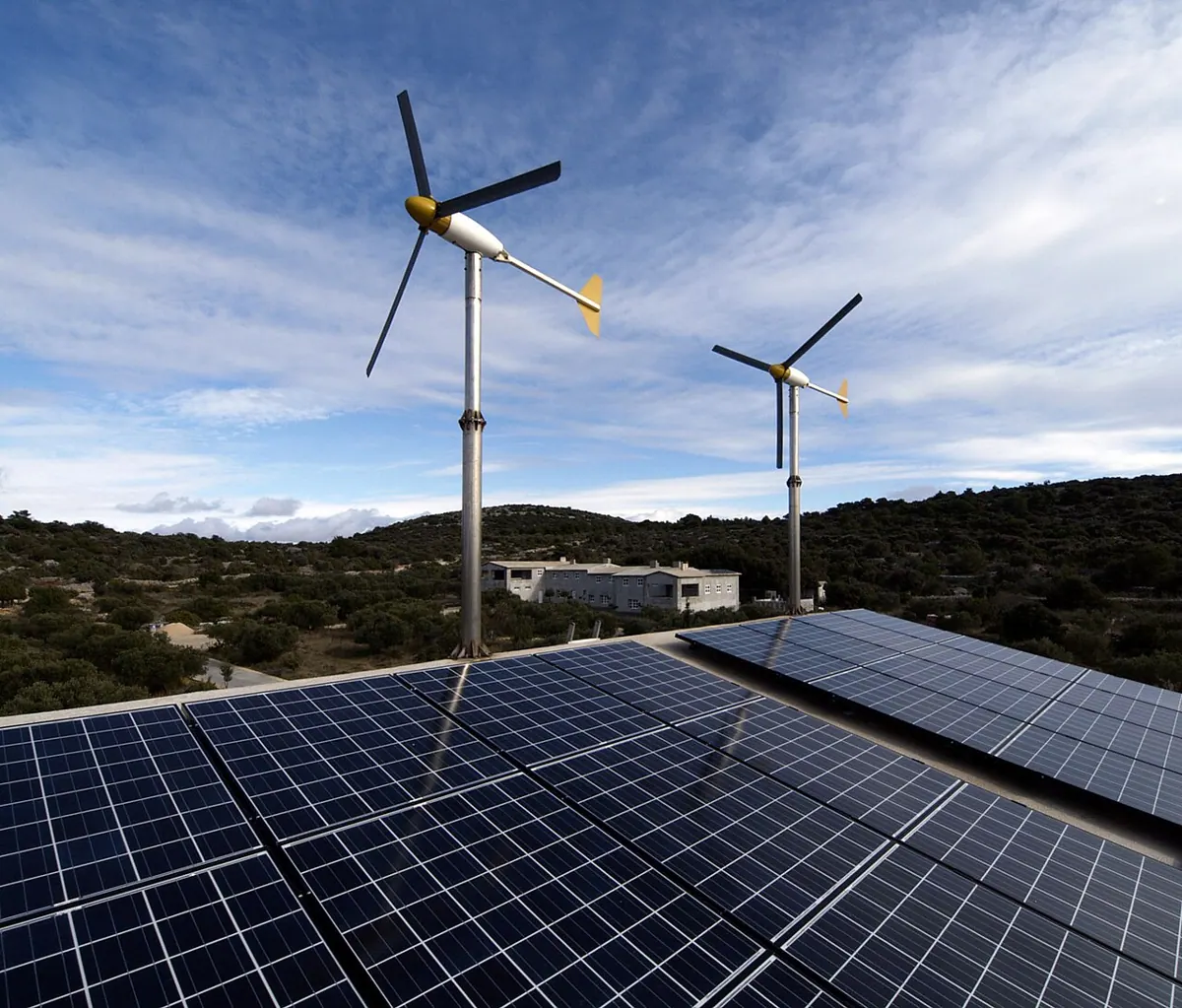
Wind and sunlight are renewable resources. A technology's lifecycle emissions also depend on manufacturing, construction, operation and retirement. Biomass is often classified as renewable, but its climate outcome depends on the pathway and assumptions. Nuclear generation is generally described as low-carbon in operation and lifecycle studies, while its fuel is not renewable in the ordinary classification. These distinctions make the vocabulary more precise.
Ask what clean is intended to exclude
A claim may refer to air pollution, carbon emissions, water impacts or something else. No industrial technology has zero impact across every category. Rather than arguing over a label alone, identify the metric and boundary. This allows genuine benefits to be recognized without hiding relevant tradeoffs.
Use language that matches the evidence
A statement about no direct combustion emissions should not quietly become a claim of no lifecycle emissions. A renewable share of electricity is not the same as a renewable share of all energy use. Precise wording helps readers understand both achievement and remaining work. The aim is not to make every sentence complicated. It is to choose a term that says exactly what the supporting evidence can establish, and to add a short explanation where a familiar label could otherwise mislead.