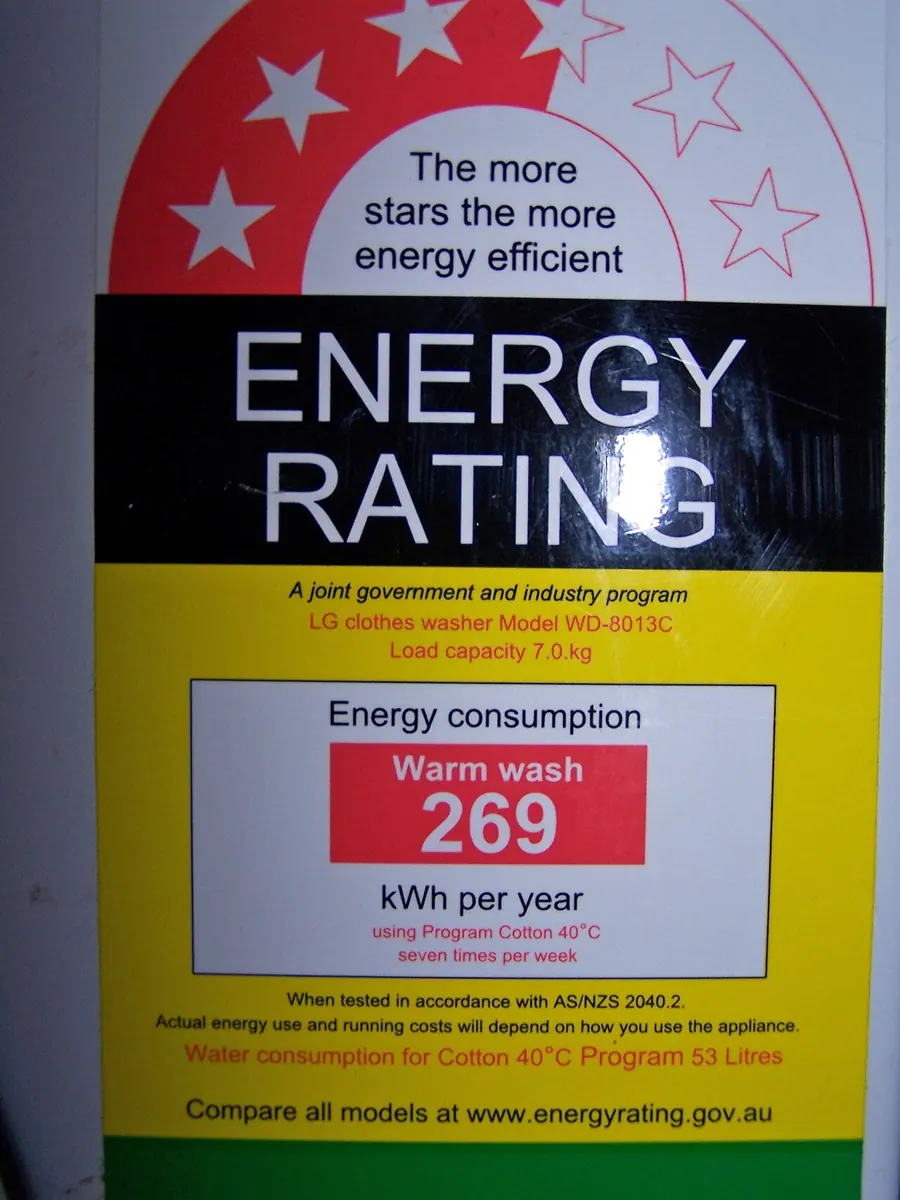
An advertisement may say a product uses less energy or contains more recycled material. The missing question is often less or more compared with what. A percentage without a denominator, baseline or boundary can sound precise while conveying little. A few simple questions can make the claim testable.
Find the comparison
Is the product being compared with its predecessor, a market average or an inefficient reference model? Does the claim concern the whole product or one component? A reduction in one factory's electricity use is not automatically the same reduction in the product's lifecycle impact. Ask for the unit and the period as well as the percentage.
Check the conditions
Laboratory settings, typical use and exceptional best-case operation can produce different results. A claim should identify which applies. Look for the underlying method and whether an independent body assessed it. Certification can be useful, but its scope should be understood rather than treated as approval of every statement nearby.
Prefer a specific, modest claim
A clear statement about a measured improvement is more informative than a sweeping promise of sustainability. That does not require rejecting every product with marketing language. It means using the claim as the beginning of an evidence search. The denominator is a powerful first question because it exposes what the number actually represents. Once the baseline, boundary and conditions are visible, readers can decide whether the improvement is relevant to their own use.