A heat pump water heater transfers heat from the surrounding air into stored water. That makes its location important. A cramped enclosure, an unsuitable temperature range or an awkward condensate route can complicate an otherwise promising installation. The question is not just whether the tank fits through the door.
Map the installation space
Check the manufacturer's requirements for air volume, clearances, temperature and ducting where applicable. The unit cools the space from which it draws heat, which may be welcome in some circumstances and less useful in others. Noise and access for service also matter. A location beside a bedroom deserves a different discussion from an isolated utility area.
Match the tank to the household
Hot-water demand depends on timing as well as total volume. Several showers close together can challenge a system differently from the same use spread across a day. Ask how recovery time, tank capacity and any resistance backup will meet the expected pattern. The most efficient operating mode is only practical if it delivers the service the household needs.
Prepare for ordinary maintenance
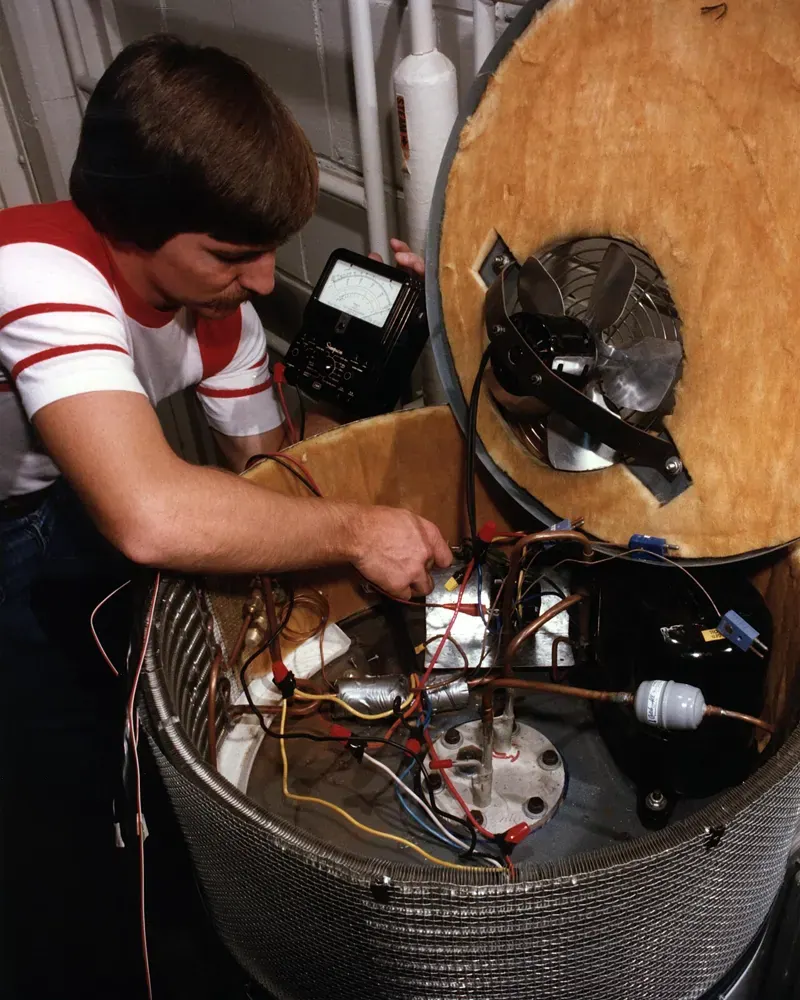
Understand filter care, condensate management and any other manufacturer-specified tasks. Electrical and plumbing work should be assessed by qualified people. If the unit replaces another fuel source, include the associated changes in the project scope. A good handover explains normal sounds, operating modes and how to recognize a fault. Heat pump water heating can be a useful efficiency measure, but treating the surrounding room as an afterthought can compromise comfort and performance. Evaluate the appliance and its location together.