An uncontrolled air leak can make a room uncomfortable and increase heating or cooling demand. Deliberate ventilation serves a different purpose: removing pollutants and moisture while supplying outdoor air. A home can need less of the first and a better plan for the second. Treating all air movement as either good or bad oversimplifies the problem.
Identify the path
Drafts may come from door edges, service penetrations or gaps between building elements. A professional assessment can locate less obvious leakage and consider its effect on the whole home. Avoid sealing vents or openings whose purpose is unknown. Equipment that burns fuel may have specific air-supply and safety requirements that need expert attention.
Match the repair to the location
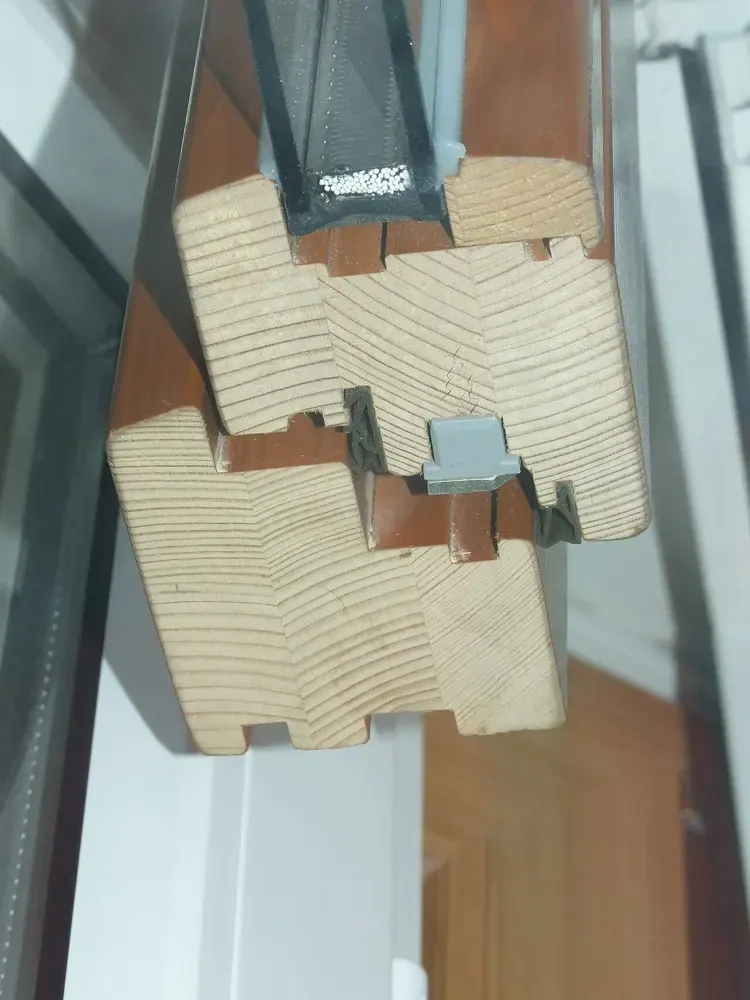
Weatherstripping suits moving parts such as doors and windows, while other gaps may need appropriate sealants or building repairs. Materials must be compatible with the surface, exposure and movement. Water entry should be diagnosed rather than covered over. A quick cosmetic seal can hide a problem without addressing its source.
Check how the home behaves afterward
Watch for persistent condensation, stale air and changes in comfort after substantial work. Ventilation provision should be assessed as part of the project, especially when many leaks are reduced together. Keep extractor systems maintained and use them as intended. The desired result is a home where fresh air arrives through a planned route and moisture leaves through suitable ventilation. That is more dependable than relying on random cracks, and more thoughtful than trying to make every room completely sealed regardless of how it is used.