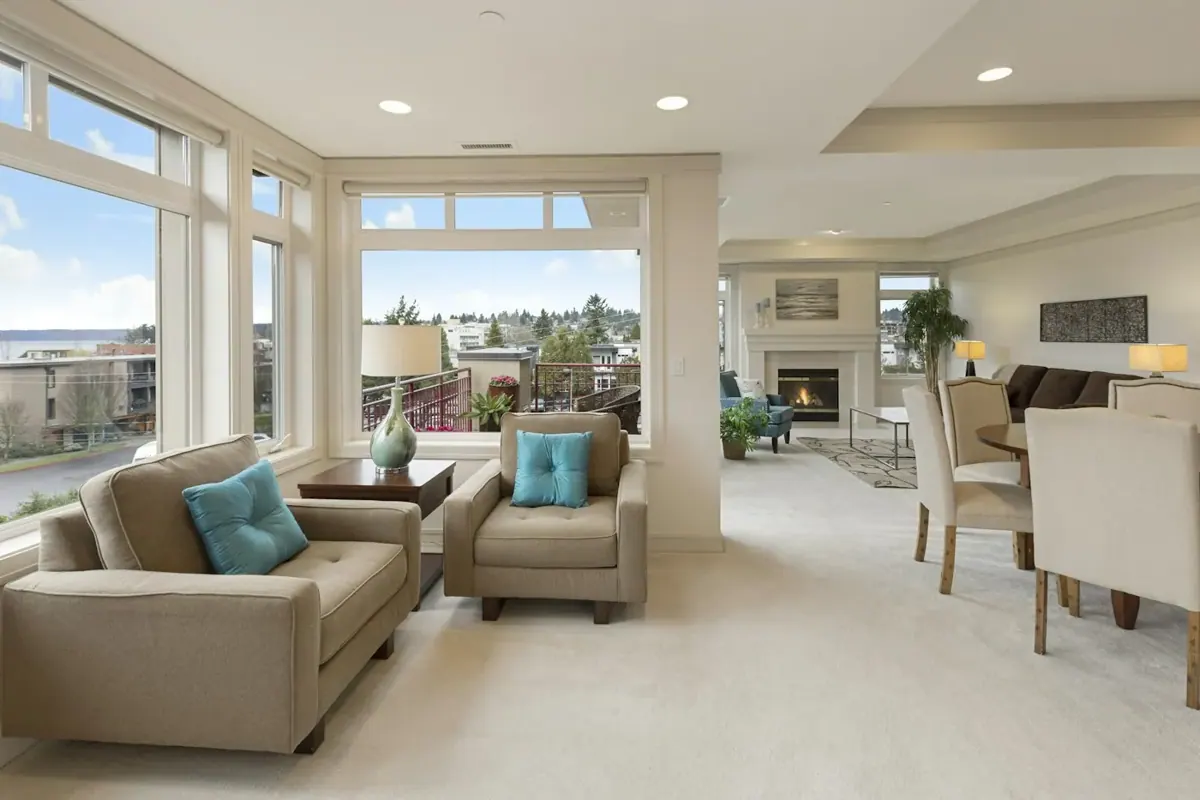
Windows affect daylight, views, ventilation and heat flow. When a room feels uncomfortable, they are easy to blame because they are visible. Yet a replacement window is a significant building intervention. Start by identifying whether the main issue is a draft, a cold surface, excessive sun, failed seals or a damaged frame.
Distinguish the symptoms
Air leaking around a frame is not the same as heat moving through intact glass. Condensation between panes suggests a different issue from condensation on the room-facing surface. Summer overheating may call for shading as well as attention to the glazing. A clear diagnosis makes it easier to compare targeted repairs with replacement.
Read more than the glass specification
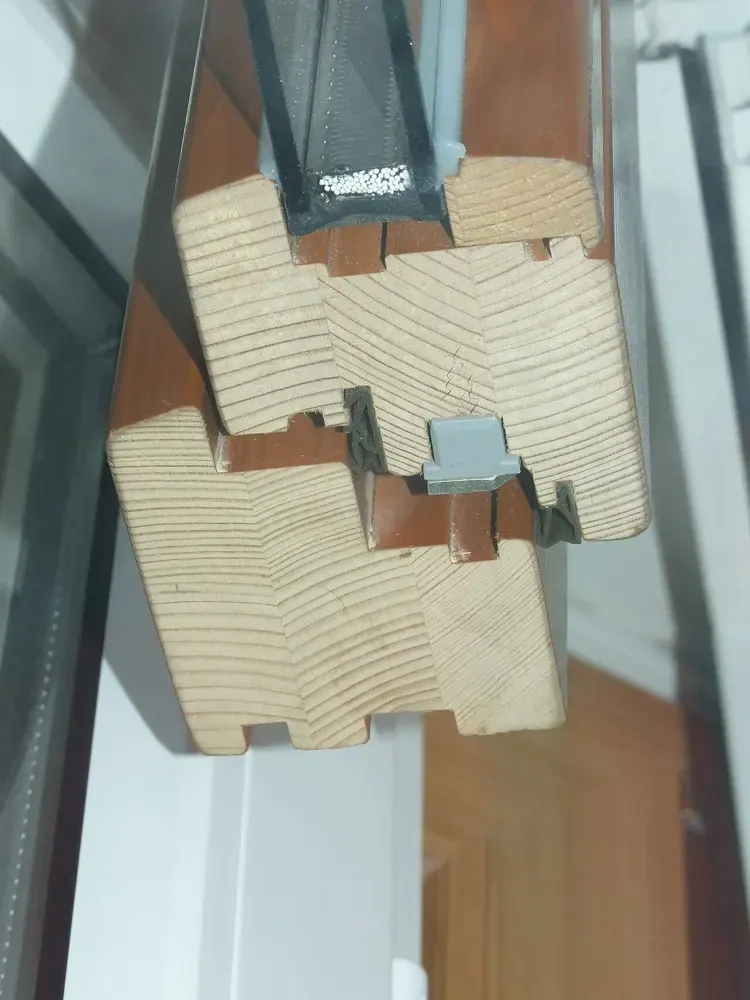
The frame, spacers, installation and surrounding wall junction all affect the final result. Ask how the existing opening will be prepared, sealed and finished. Glazing properties should suit the local climate and orientation. A choice that admits useful winter sun on one facade may create unwanted summer heat on another.
Include the everyday experience
Consider ease of opening, maintenance, noise, security and usable daylight. External shading can stop sunlight before it reaches the glass, while internal coverings can still improve comfort and privacy. Compare options against the actual problem and budget, not a universal replacement timetable. If a window remains sound, a careful repair may extend its life. If replacement is justified, the installation details should receive as much attention as the product brochure. The goal is a room that works better throughout the year, with energy performance considered alongside all its other jobs.