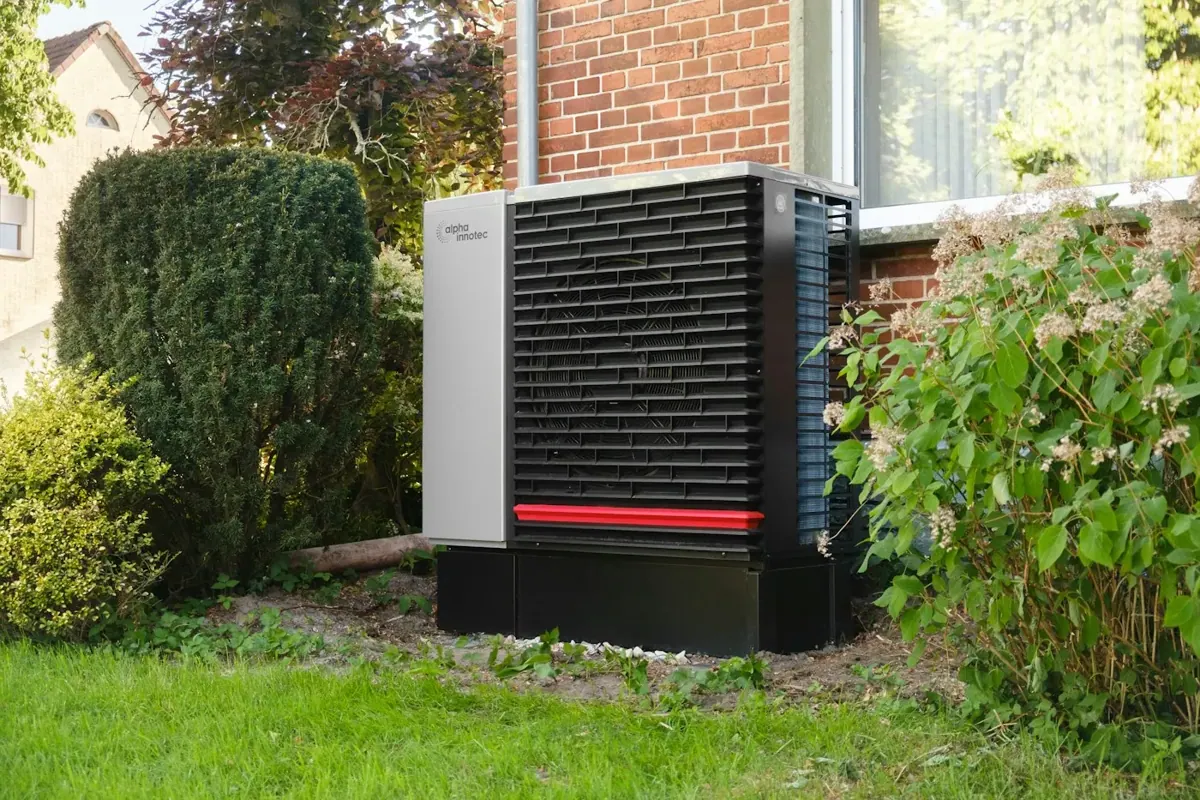
A resistance heater turns electricity into heat at the point of use. A heat pump uses electricity to move heat from one place to another. This allows it to deliver more heat than the electrical energy it consumes, under suitable operating conditions. The distinction explains its potential, but does not remove the need for careful design.
Match performance to conditions
Outdoor temperature, the required indoor temperature and the heating distribution system affect performance. A specification measured under one set of conditions does not describe every winter hour. Ask for performance information relevant to the local climate and the proposed installation. For a water-based system, the temperature required by radiators or underfloor circuits is particularly important.
Sizing is a building question
Equipment should be selected using the home's heating and cooling loads, not simply by copying the capacity of the old unit. Insulation improvements, room use and distribution constraints can change those loads. Oversizing can create its own operating problems. Ask the contractor to explain the calculation and how the system will behave during mild weather as well as extremes.
Include controls and handover
Thermostat settings, backup heat and operating schedules deserve a practical explanation. Some control strategies that worked with a previous heater may not suit the new system. Learn how filters and outdoor units should be maintained, and what a normal defrost cycle looks like where applicable. A heat pump is a strong example of why installation quality matters: the equipment rating is only part of the outcome. The building, distribution and controls determine how that capability is used in daily life.