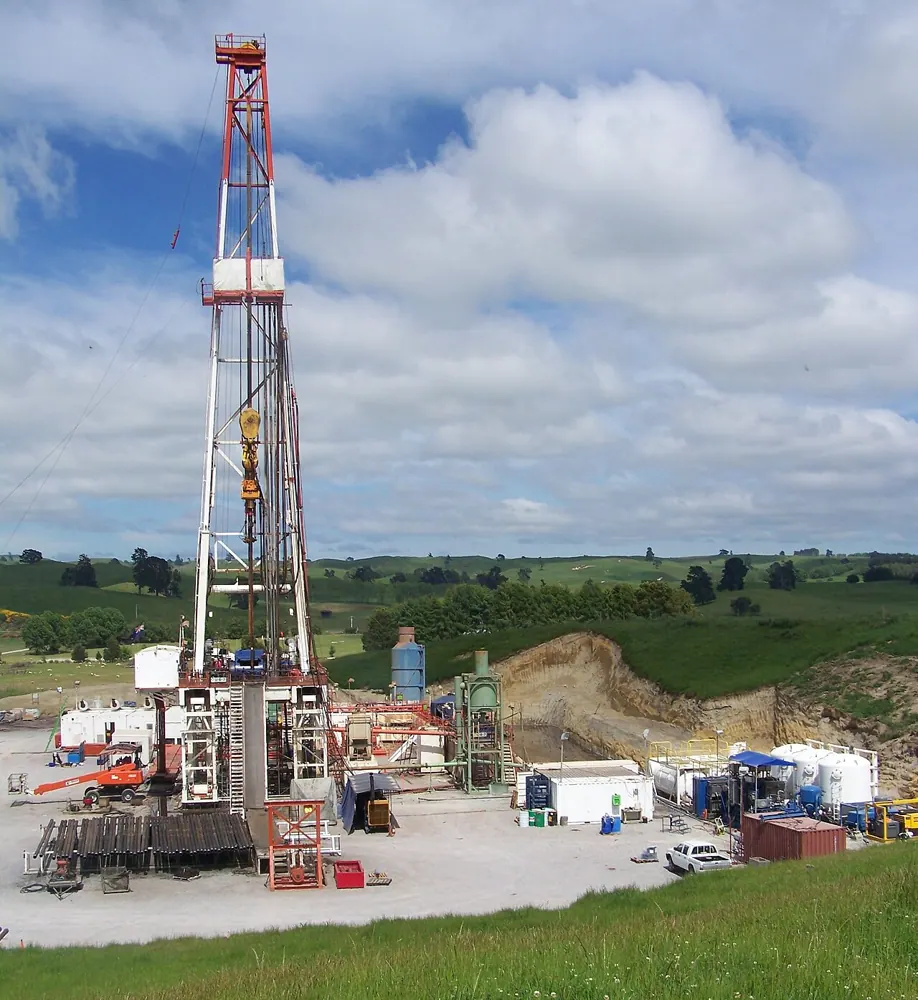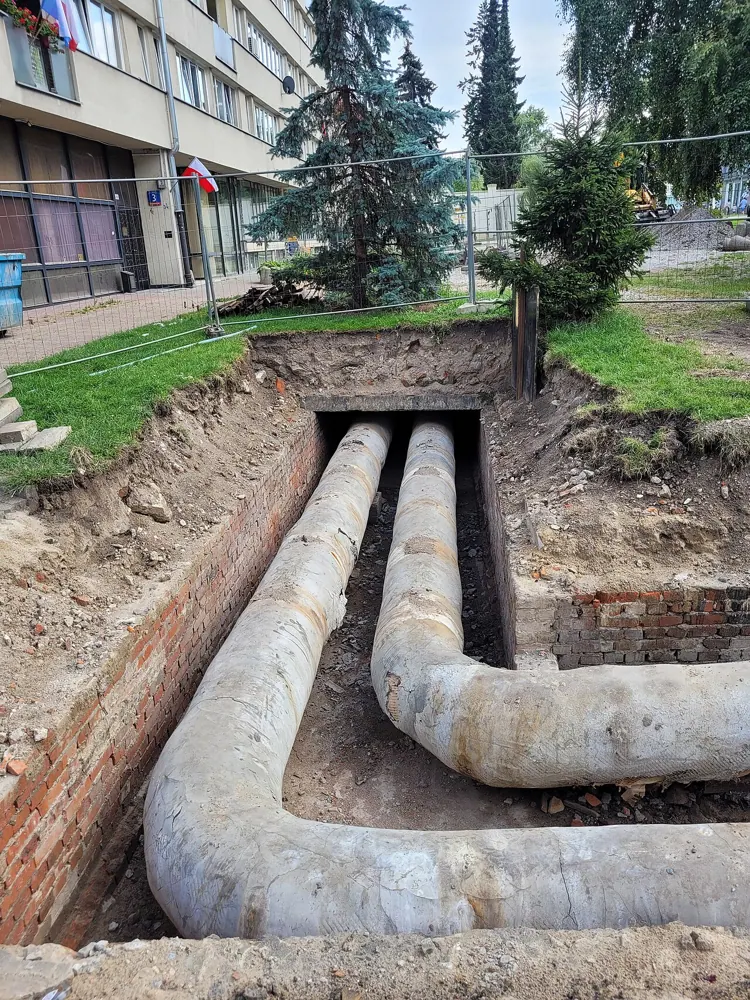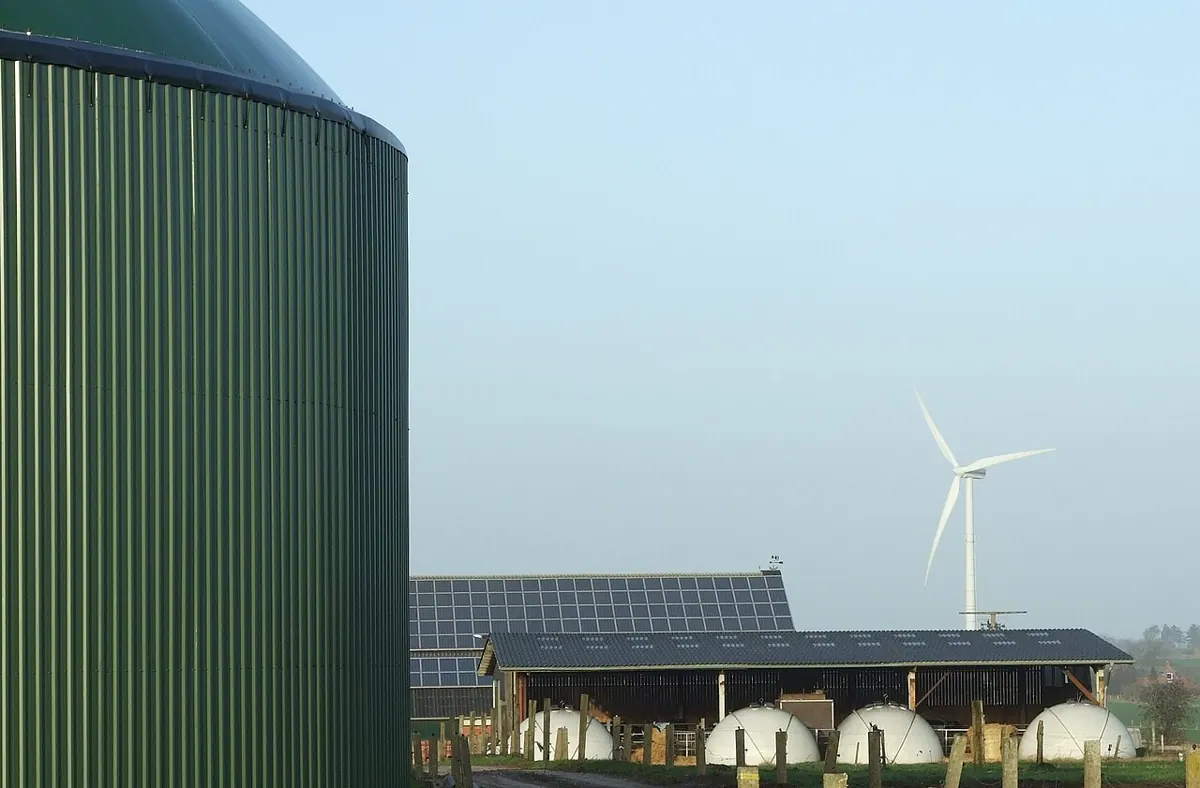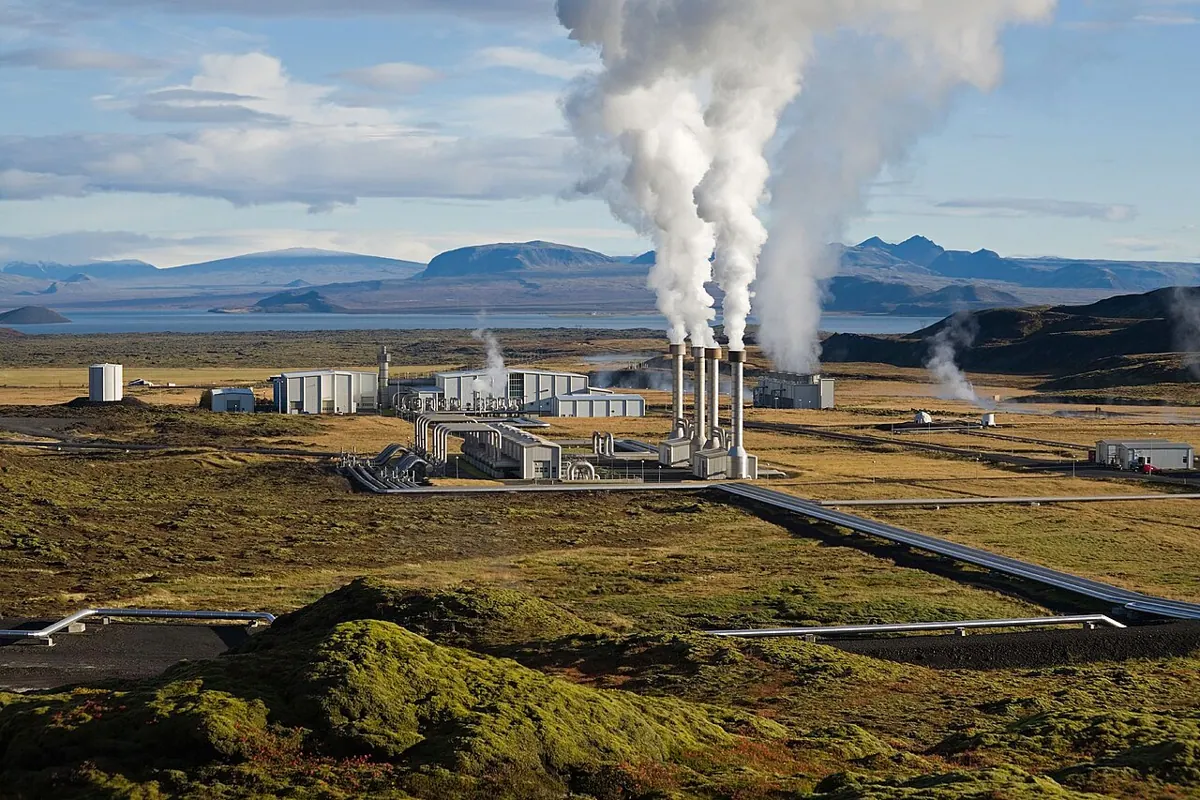
Geothermal energy refers to heat associated with the Earth, but applications vary widely. A ground-source heat pump uses the relatively stable temperature of shallow ground as a source or sink. A geothermal power plant uses suitable underground heat to help generate electricity. These are not interchangeable systems, despite the similar language.
Start with the required temperature
Heating a building, supplying a heat network and generating electricity require different conditions and equipment. A ground loop for a heat pump does not need a volcanic resource. Electricity generation generally needs a suitable combination of temperature, fluid and geological conditions, or engineering that creates access to the resource. Site investigation is fundamental.
Follow the equipment boundary
A heat pump still consumes electricity to move heat. A geothermal generating plant produces electricity through a thermal process. Describing both simply as geothermal can obscure whether electricity is being consumed or supplied. A clear diagram of inputs and outputs helps avoid that confusion.
Ask location-specific questions
For a building system, available land, drilling access, geology and the heating load matter. For a deeper energy project, resource assessment, fluid management and subsurface effects become central. Neither application should be chosen solely because the Earth's heat sounds inexhaustible. The accessible resource, engineering design and local conditions determine what service can be delivered. Understanding the distinction makes project descriptions easier to read and prevents expectations about a large power station from being applied to a household heat-pump installation.