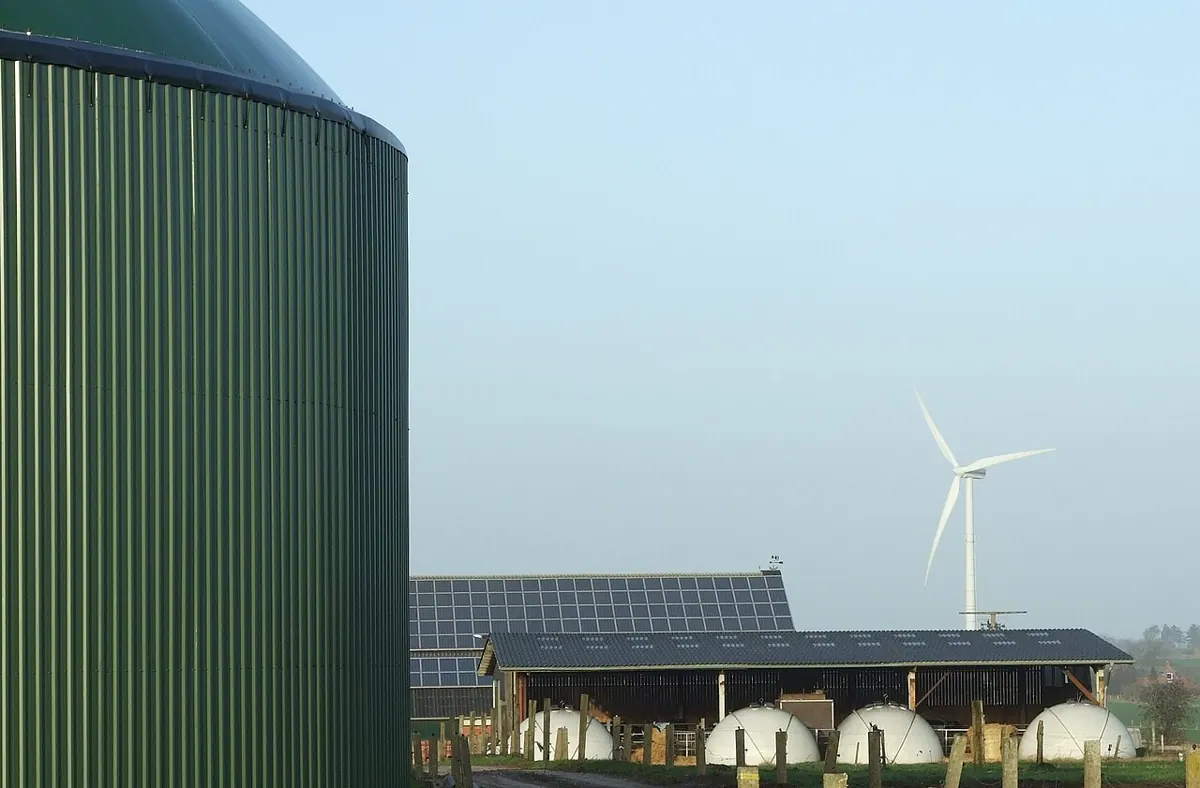
Anaerobic digestion breaks down suitable organic material without oxygen, producing biogas and a remaining digestate. Biogas can be used for energy after appropriate treatment, depending on the application. The environmental outcome depends on what enters the digester, what would otherwise happen to it and how the plant manages gas and residues.
Ask what the feedstock replaces
Food waste, manure and purpose-grown crops raise different questions. Preventing edible food from being wasted is not the same service as recovering energy after it has been discarded. Transport, contamination and competing uses also matter. A project should describe its feedstock supply rather than relying on the broad appeal of the word waste.
Keep methane inside the system
Methane is an energy resource and a potent greenhouse gas. Leakage can undermine climate benefits, so equipment integrity, monitoring and operating practice are important. Gas cleanup and the final use of the fuel also affect performance. A complete assessment follows the gas from production through storage and use.
Account for the material that remains
Digestate still needs appropriate management. Its composition and suitable use depend on the feedstock and process, with local requirements applying. Energy recovery does not make nutrients, contaminants or transport needs disappear. Biogas can connect waste management and energy supply productively, but the connection should be evaluated as a full system. The strongest project explains the avoided waste pathway, the handling of emissions and the destination of every major output.