A ground-source heat pump exchanges heat with the ground through a designed system of pipes or other appropriate arrangements. The buried infrastructure can remain in place for a long time, which makes its design and documentation important. Once the surface is restored, mistakes can be much harder to investigate.
Match the loop to the site
Horizontal and vertical arrangements have different space, drilling and installation requirements. Ground conditions and the building's heating and cooling demand influence design. A loop should not be sized from floor area alone without considering the actual load and site. Ask the designer to explain the assumptions and the expected seasonal behavior.
Consider balance over time
Heat is extracted during heating operation and may be returned during cooling, depending on the system. The long-term thermal balance matters. A design should account for the way the building will use the ground across seasons, not only whether it can meet demand on the day of commissioning. Future extensions or major changes in use deserve reassessment.
Keep the buried record
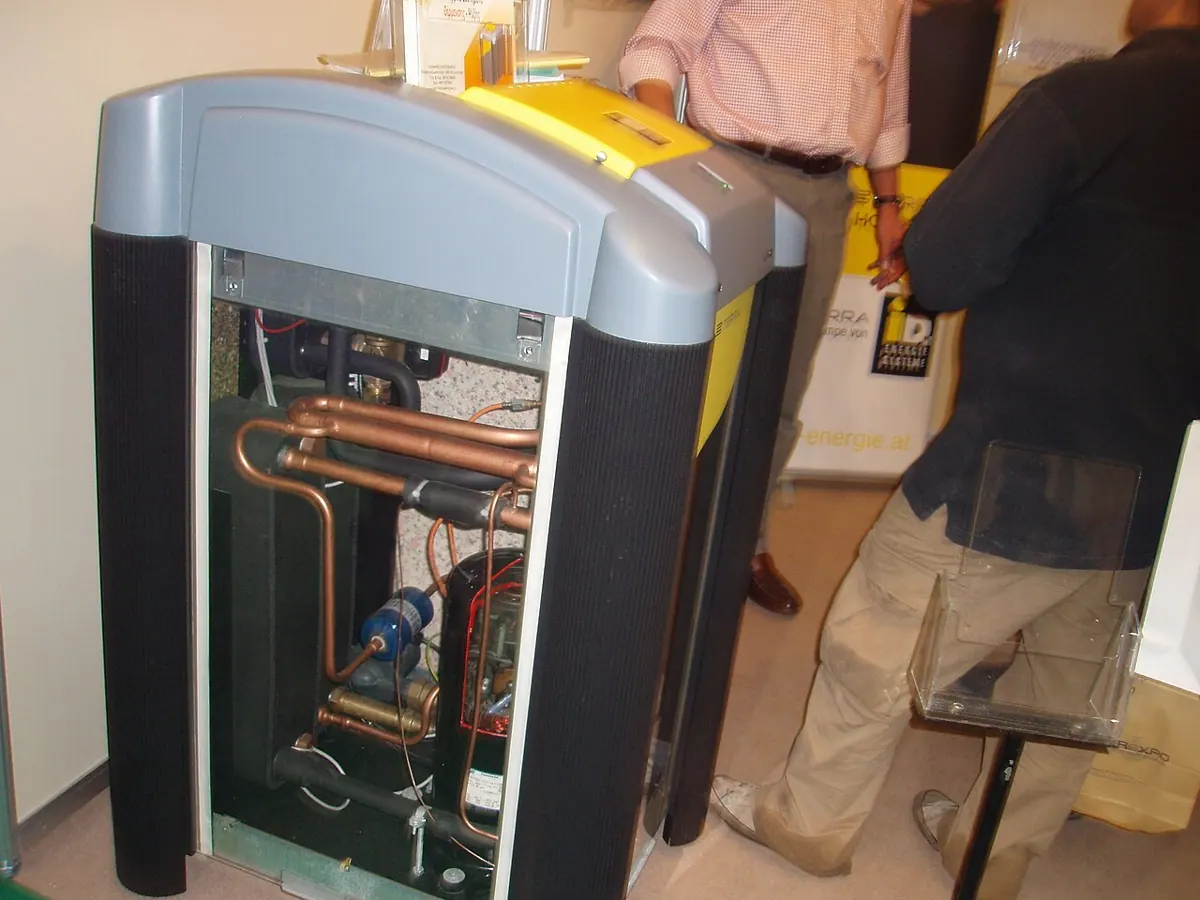
Retain drawings, pipe routes, depths, pressure-test records and fluid information where applicable. Future landscaping and construction should not unknowingly interfere with the loop. Clarify service responsibility and what monitoring is available. The visible heat-pump unit is only one part of the investment. A well-documented ground system gives future owners and technicians a practical understanding of the infrastructure beneath their feet, helping preserve its usefulness through changes to the building above.