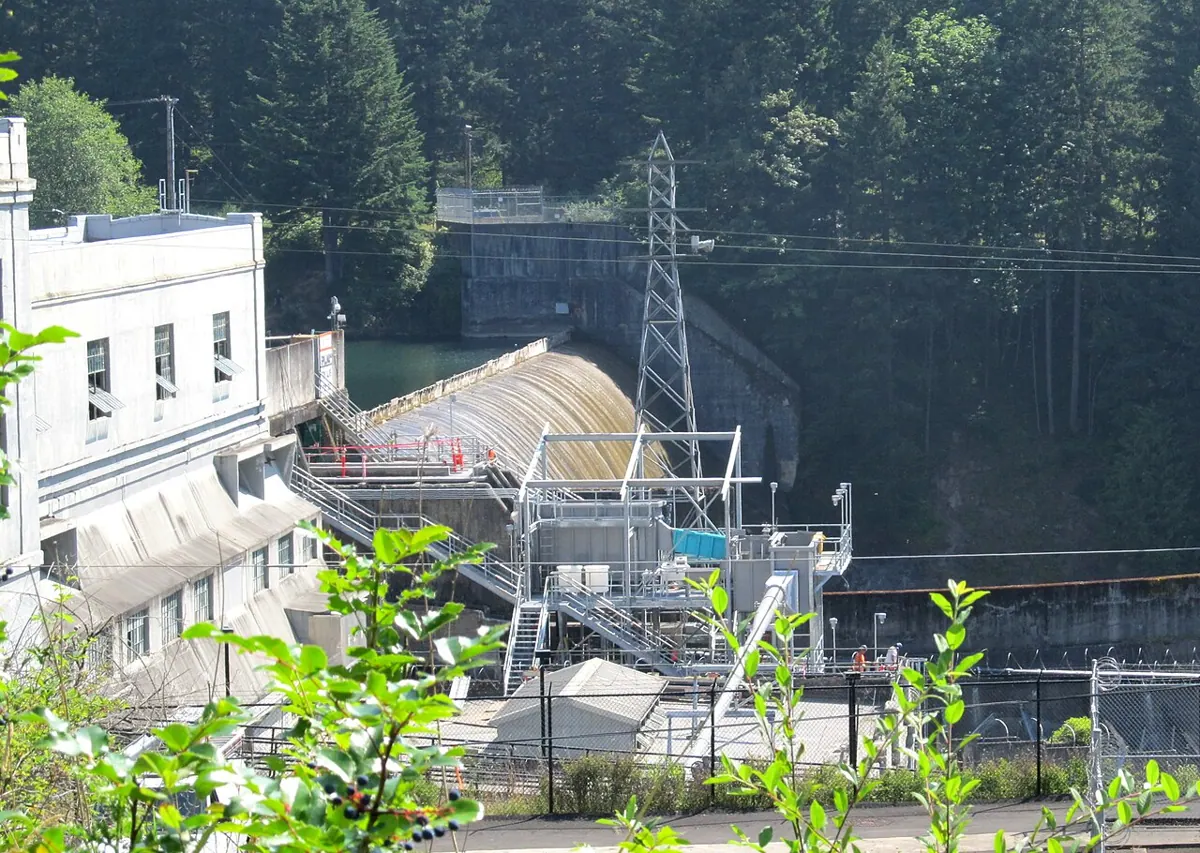
Hydropower converts the energy of moving water into electricity. The turbine is important, but the river or reservoir determines much of the opportunity. Water flow changes through seasons and between years. A project must also share that water with ecosystems, communities and other users. Its energy role cannot be separated from the water system around it.
Understand head and flow
The vertical drop available to the water is often called head, while flow describes the quantity moving through the system over time. Both influence potential output. A high waterfall with little water and a broad river with a small drop present different engineering conditions. Site measurements and hydrology matter more than an impressive photograph.
Look across a full year
Snowmelt, rainfall, drought and water-management decisions affect generation. Storage can change timing, but reservoirs have physical and operating limits. An annual average can hide difficult dry periods. Planning should consider variability and competing demands rather than treating historical flow as an unchanging promise.
Include the river's other jobs
Fish movement, sediment transport, water quality and downstream habitat can be affected by a project. Mitigation and operating rules need to be specific to the site. Existing infrastructure may offer opportunities, but it still requires assessment. Hydropower is best understood as a long-term relationship with a watershed. The useful question is how electricity production can fit within that relationship, with clear attention to the river's condition and the people who depend on it.