Some geothermal resources naturally provide heat, fluid and pathways that allow useful circulation. Enhanced geothermal approaches seek to create or improve parts of that system where the natural conditions are incomplete. The concept expands the possible resource, but also makes subsurface understanding and monitoring especially important.
Identify what is being engineered
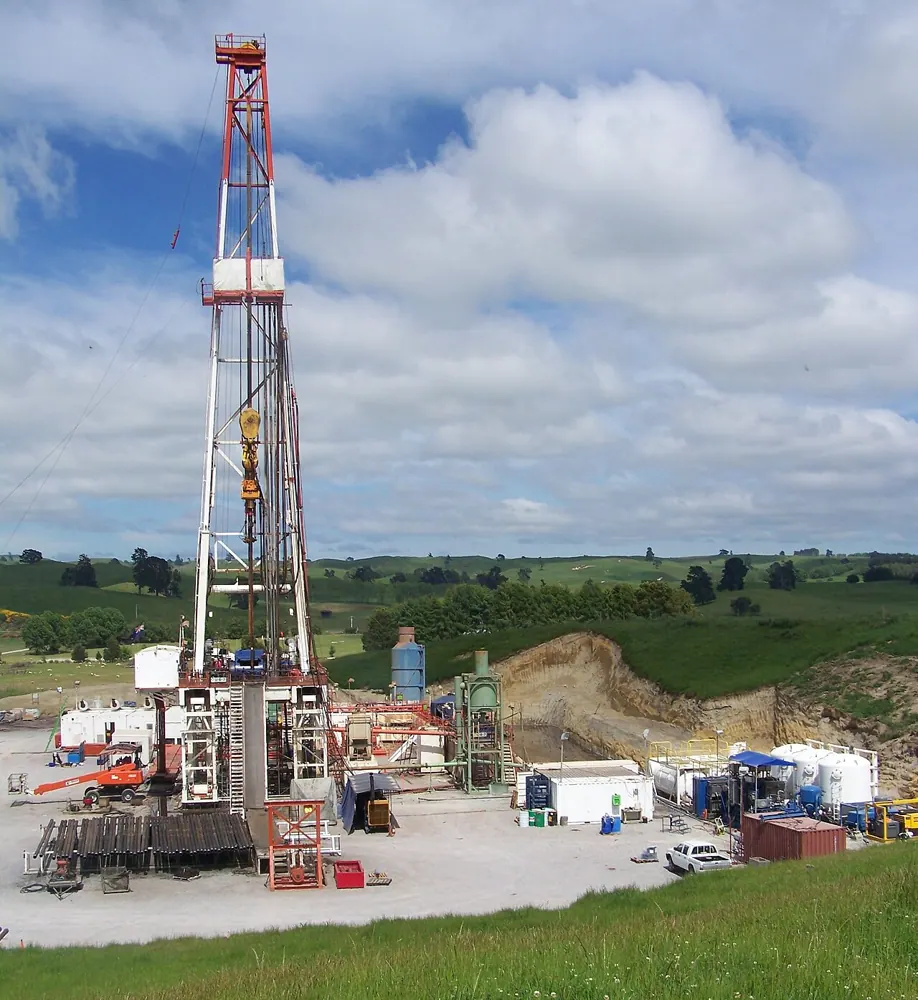
A project may involve drilling, stimulation and controlled fluid circulation through hot rock. The exact methods depend on geology and design. Avoid treating all geothermal projects as if they use the same approach. A clear description should explain the depth, intended circulation path and how heat is brought to the surface.
Ask how uncertainty is managed
Underground conditions cannot be observed as directly as a rooftop installation. Exploration, testing and monitoring reduce uncertainty but do not remove it completely. Water management, well integrity and induced seismicity can require careful attention. Site-specific assessment and appropriate oversight are essential to understanding those issues.
Separate potential from demonstrated operation
A large theoretical heat resource is not the same as a proven, economic project. Drilling success, sustained flow, equipment durability and operating performance determine what can actually be delivered. When reading announcements, distinguish a concept, a test well, a pilot and a commercial facility. Enhanced geothermal is interesting because it attempts to make more underground heat accessible. The useful evidence is how a particular project performs over time and how it manages the geological conditions on which that performance depends.