Run-of-river hydropower generally relies more directly on river flow and has limited storage compared with a large reservoir project. The label covers different arrangements. Some divert water through a channel or pipe before returning it downstream. The amount of storage and the length of affected river can vary substantially.
Follow the water route
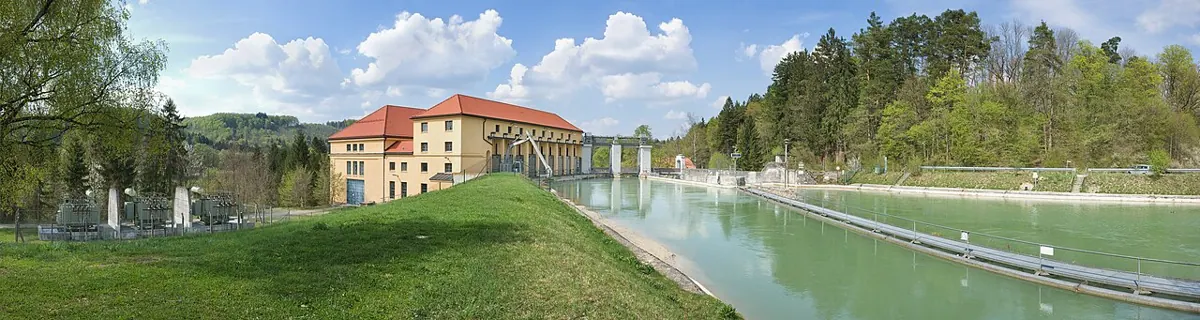
Ask where water is taken, how much remains in the original channel and where it returns. Intake structures, barriers and bypass reaches can affect habitat and movement. A diagram showing the entire water path is more useful than a photograph of a compact powerhouse. Small visible buildings do not necessarily mean small effects on the river.
Match output to natural variation
Without substantial storage, generation is closely tied to available flow. Dry periods can reduce output, while high flows may exceed what the equipment can use. The project should show expected seasonal production and the rules that protect environmental flows. A maximum power rating does not establish year-round supply.
Judge the specific proposal
Consider fish passage, sediment, construction disturbance and monitoring alongside energy production. Existing barriers and local ecology influence the assessment. Run-of-river can describe a useful form of generation, but the term should begin an explanation rather than end one. A credible proposal makes the water allocation and ecological commitments visible. Readers can then evaluate how the project operates in low-flow conditions, which are often the moments when competing demands become most important.