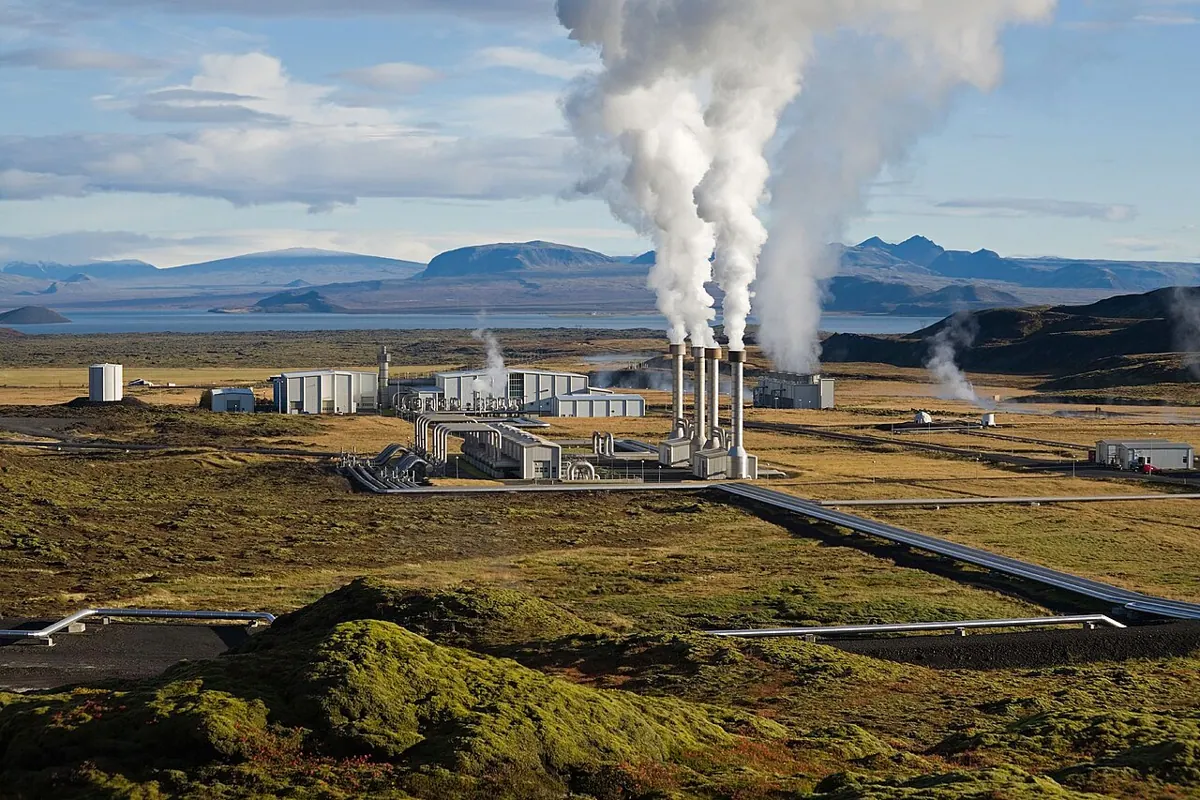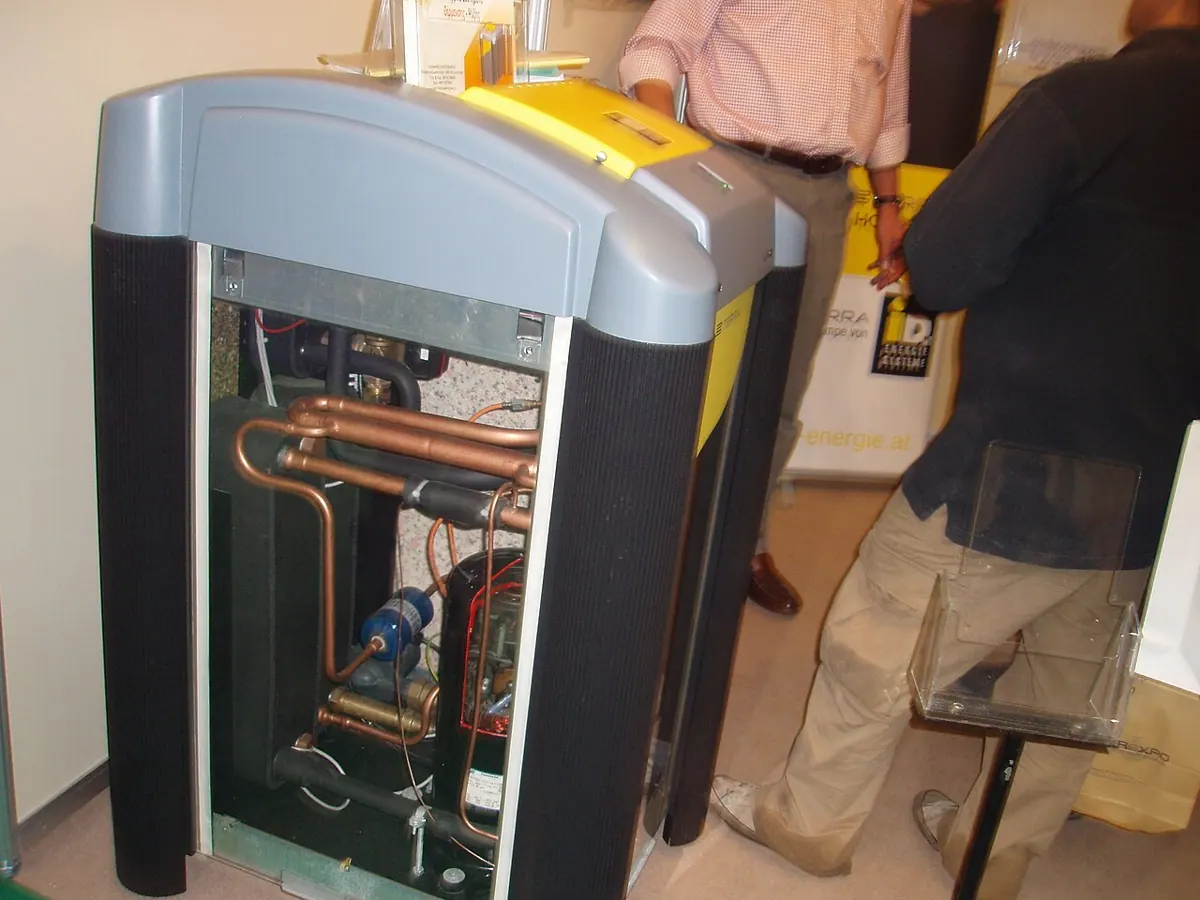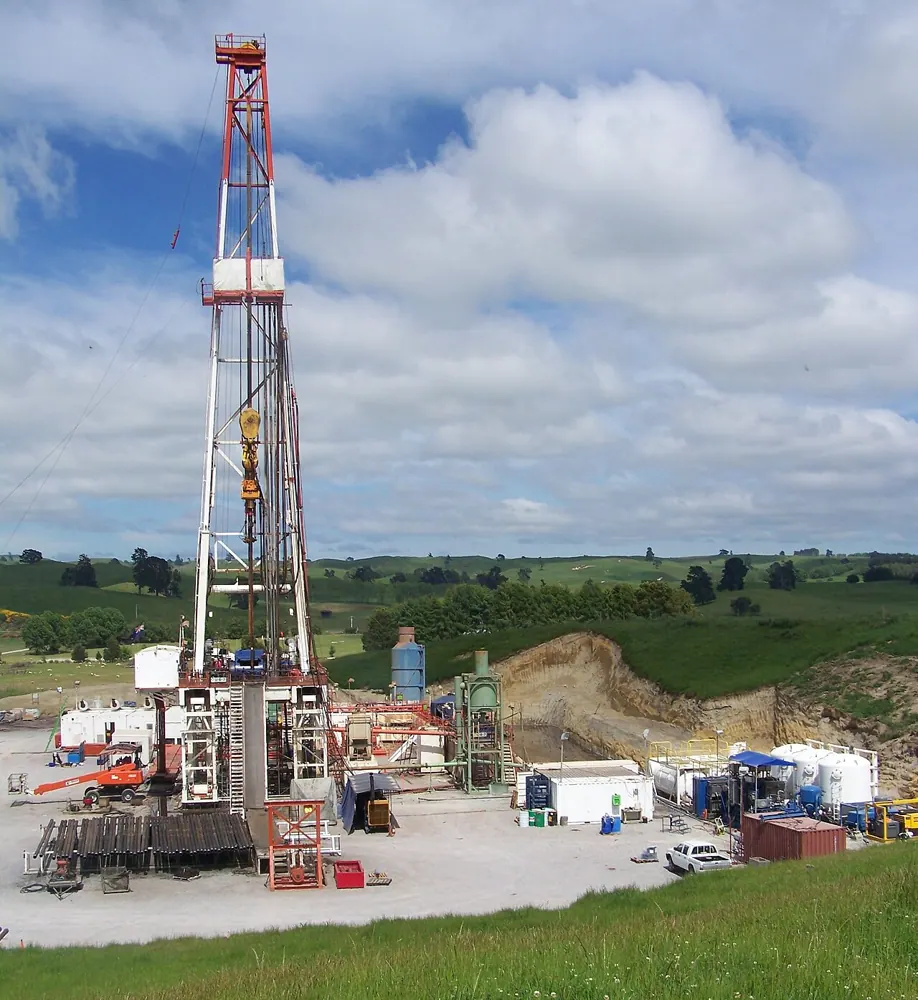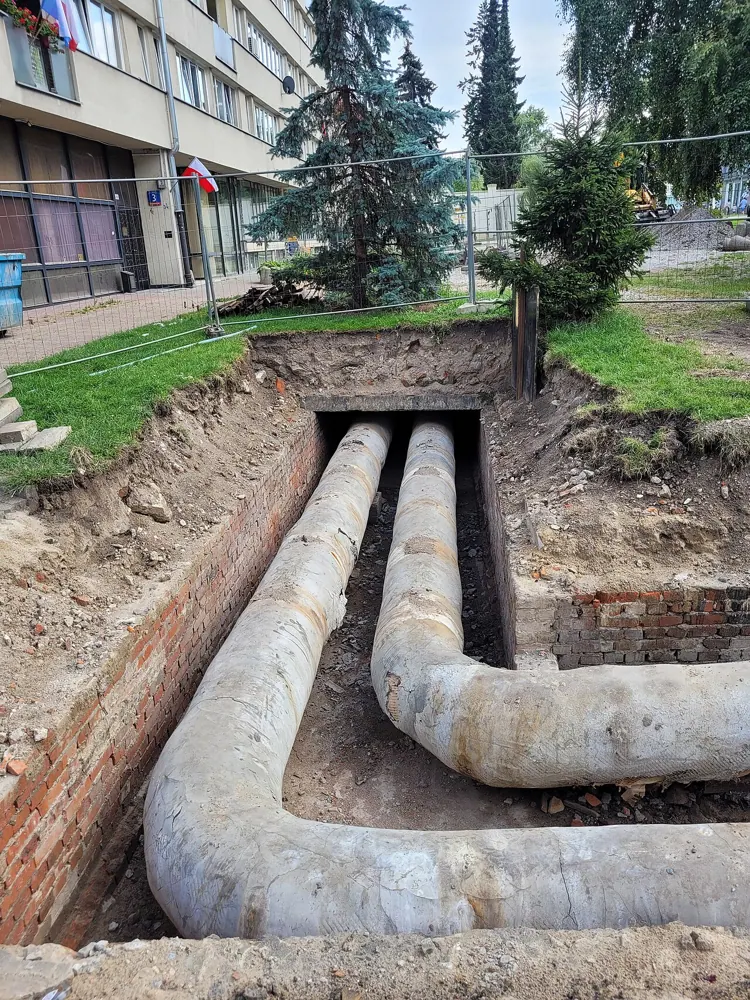
A district heating network distributes heat to multiple buildings through a shared system, often using hot water. The heat may come from different sources, including recovered heat, large heat pumps, geothermal resources or fuel-based plants. The network itself is not automatically renewable; its environmental performance depends on the heat supplied and the way the system operates.
Look at density and distance
Pipes cost money and lose heat. A compact area with substantial demand can offer different opportunities from scattered buildings far apart. The network temperature and insulation affect losses, while building systems determine what temperature they need. Connecting an inefficient building can also influence the wider design.
Examine the source and backup
Ask what provides heat during ordinary operation, peak demand and equipment outages. A low-carbon main source may still be supported by another fuel at difficult times. That does not make the project meaningless, but the full mix should be visible. Future source changes can be easier in a shared network than in many separate buildings, depending on the design.
Make the customer relationship clear
Residents need understandable tariffs, service standards and a route for resolving faults. Metering, maintenance and responsibility for equipment inside the building should be explicit. District heating is both physical infrastructure and an ongoing service relationship. Its success depends on reliable warmth and fair operation as much as on an attractive energy source. A good proposal explains the whole chain from heat production to the customer's room.