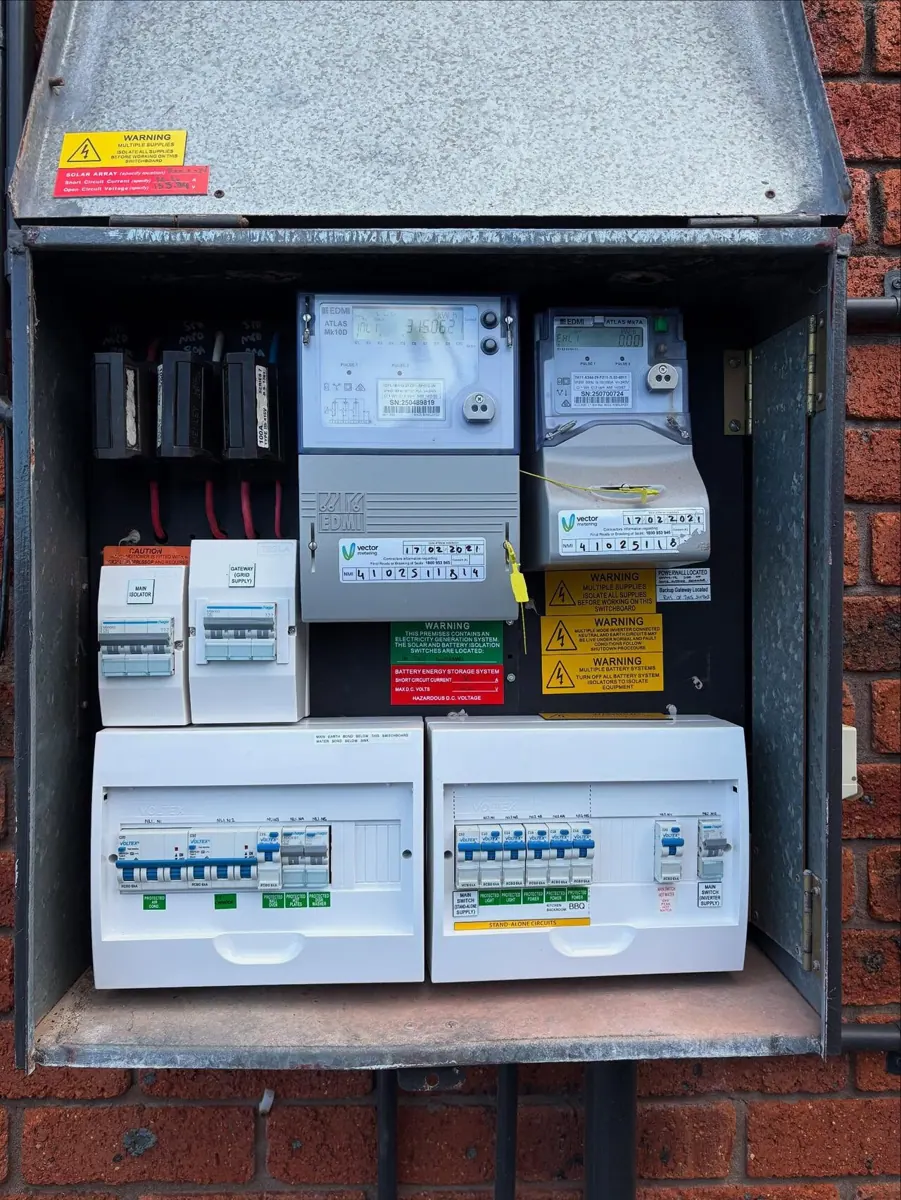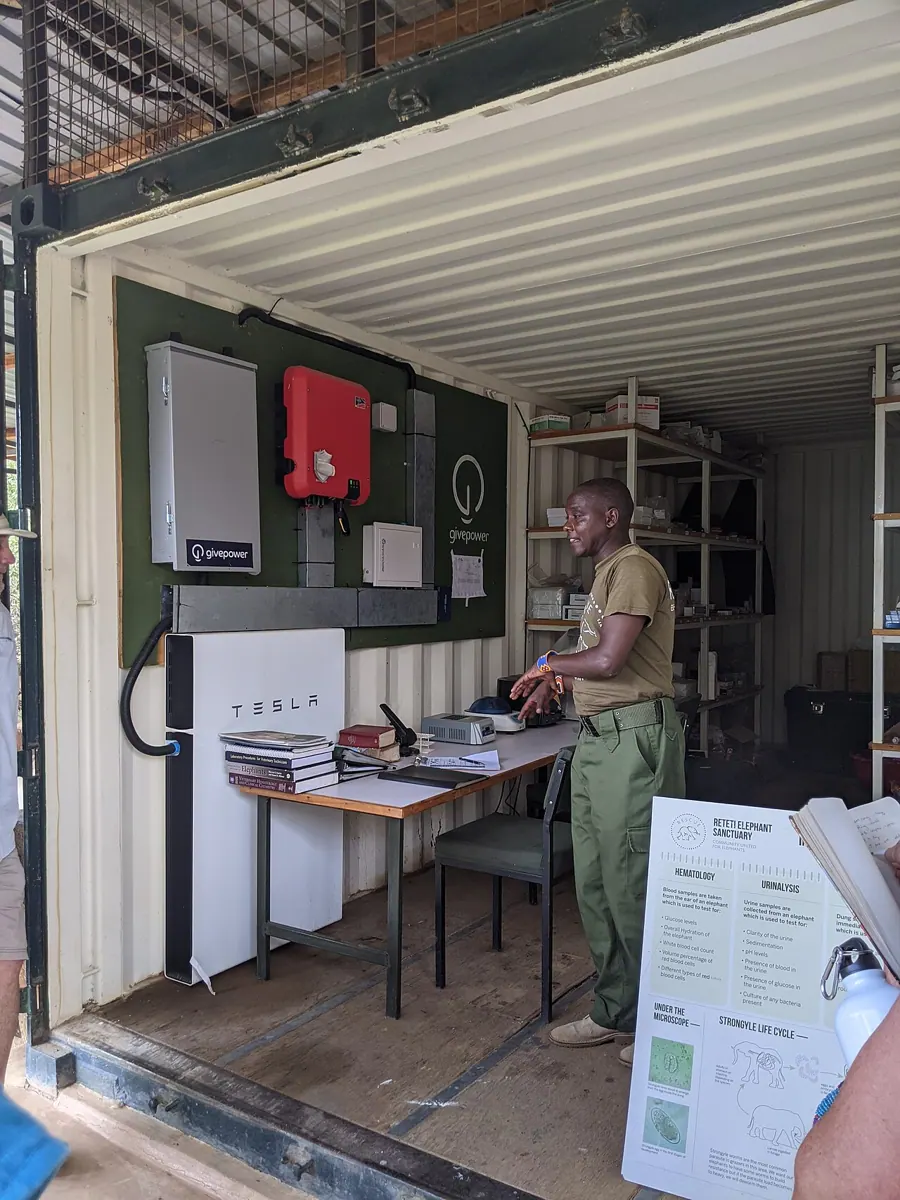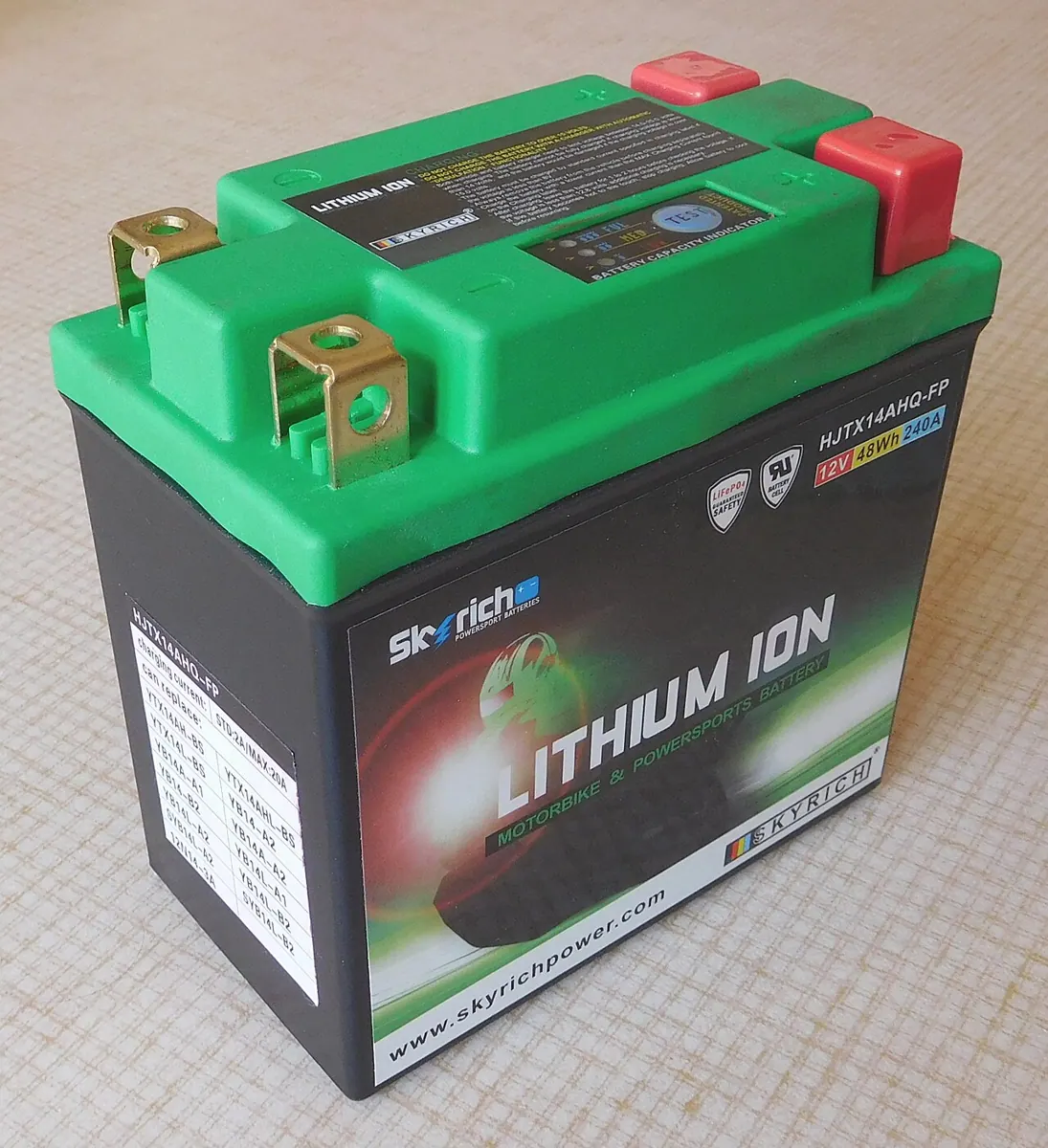
Battery discussions often focus on chemistry, and chemistry does influence behavior. Yet a complete storage system also contains electrical connections, protective devices, controls, enclosures and thermal management. Safety depends on how those parts work together and on whether the equipment is installed and used as intended.
Evaluate the whole product
Ask for the certifications and approvals relevant to the location and application. Confirm that the proposed inverter, battery modules and controls are supported together. A claim about one cell type should not be used as proof that any assembly built from it is suitable for a home. Product documentation and traceable service support are more useful than broad reassurance.
Give location proper attention
The installation must follow manufacturer instructions and local requirements for clearances, environment and protection. Qualified installers should assess the site. Keep access clear and do not turn the surrounding space into an improvised storage cupboard. Flood exposure, temperature and potential physical damage are practical considerations, not decorative details.
Know the response procedure
Learn which alerts require service and what the manufacturer says to do if equipment is damaged or behaving abnormally. Do not open battery enclosures or attempt unauthorized repairs. Keep emergency and service information accessible. Comparing chemistries can help explain design choices, but it should lead to better questions about the complete system. The useful outcome is equipment with suitable protection, a sound installation and an owner who understands ordinary operation and the approved response to a fault.