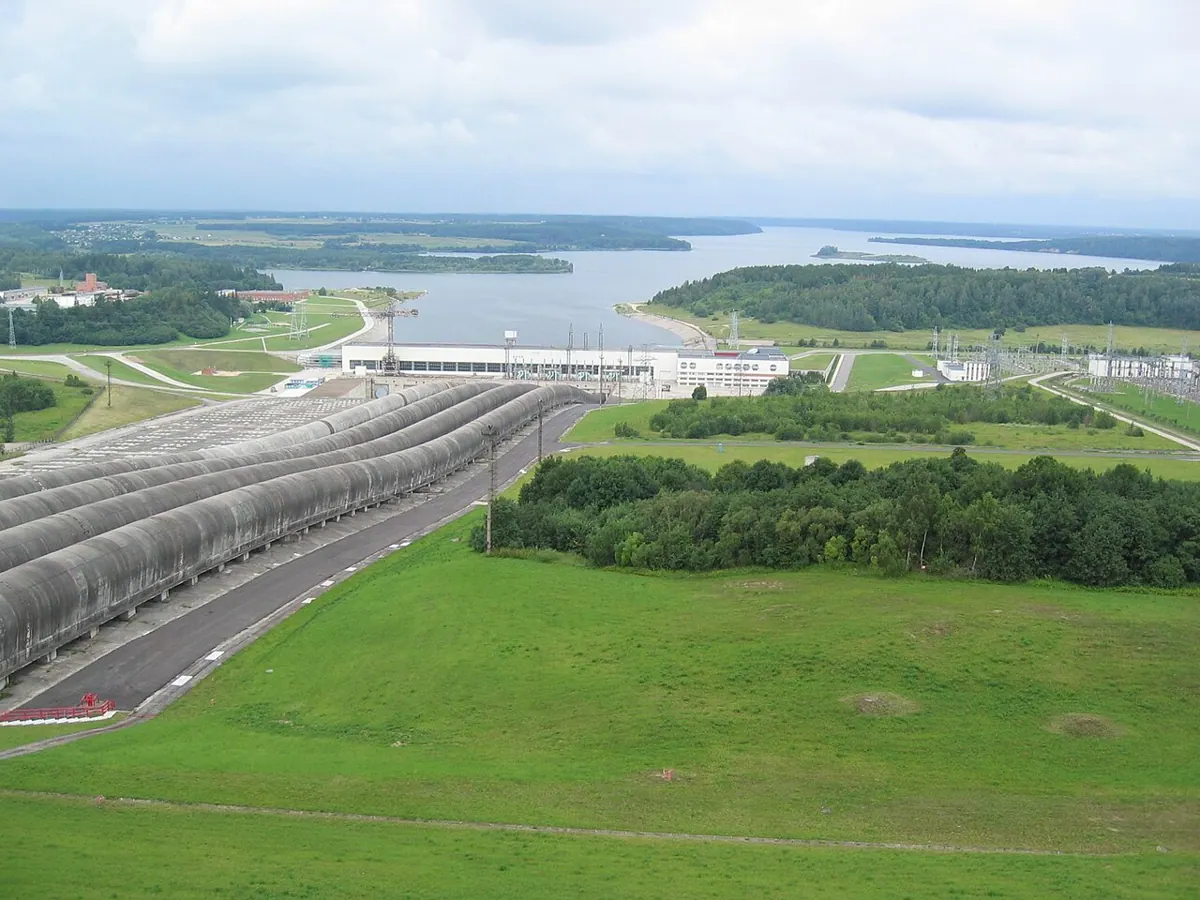
Pumped-storage hydropower moves water to a higher elevation when energy is available, then releases it through turbines when electricity is needed. The stored resource is gravitational potential energy. Pumping consumes more energy than generation later returns, so the system is a storage facility rather than a net source of new energy.
Separate storage from river generation
Conventional hydropower often uses naturally flowing water. Pumped storage may circulate water between reservoirs, with designs that differ in how they interact with natural waterways. The distinction matters when describing both energy output and environmental effects. Counting the returned electricity without accounting for pumping would misrepresent the energy balance.
Look at the site requirements
Elevation difference, reservoir volume, geology and access all influence feasibility. Construction can be substantial, and water availability and ecological effects require assessment. A favorable landscape is not automatically an approved project. Land use, community concerns and the electrical connection are part of the same planning problem.
Understand the grid service
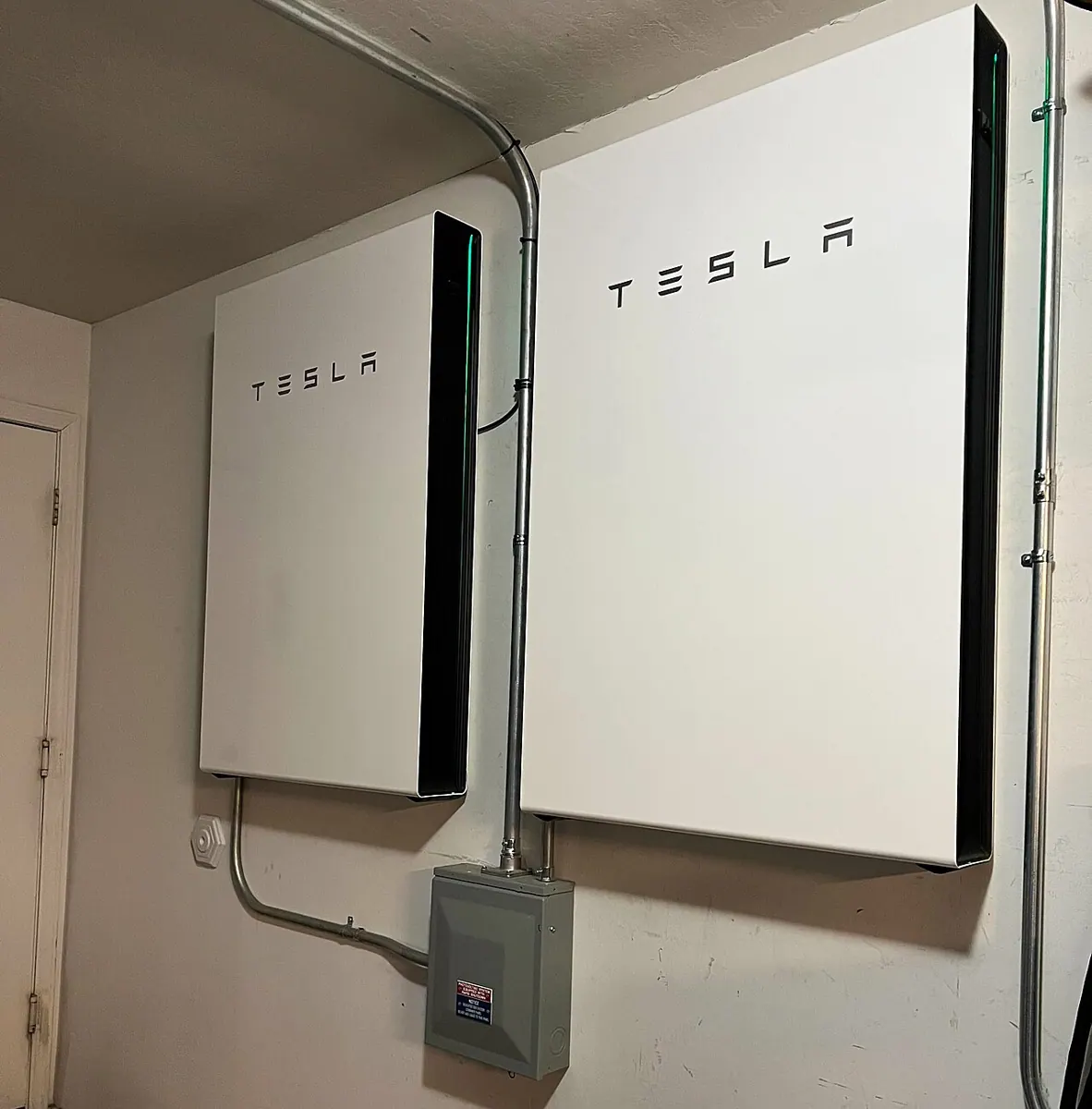
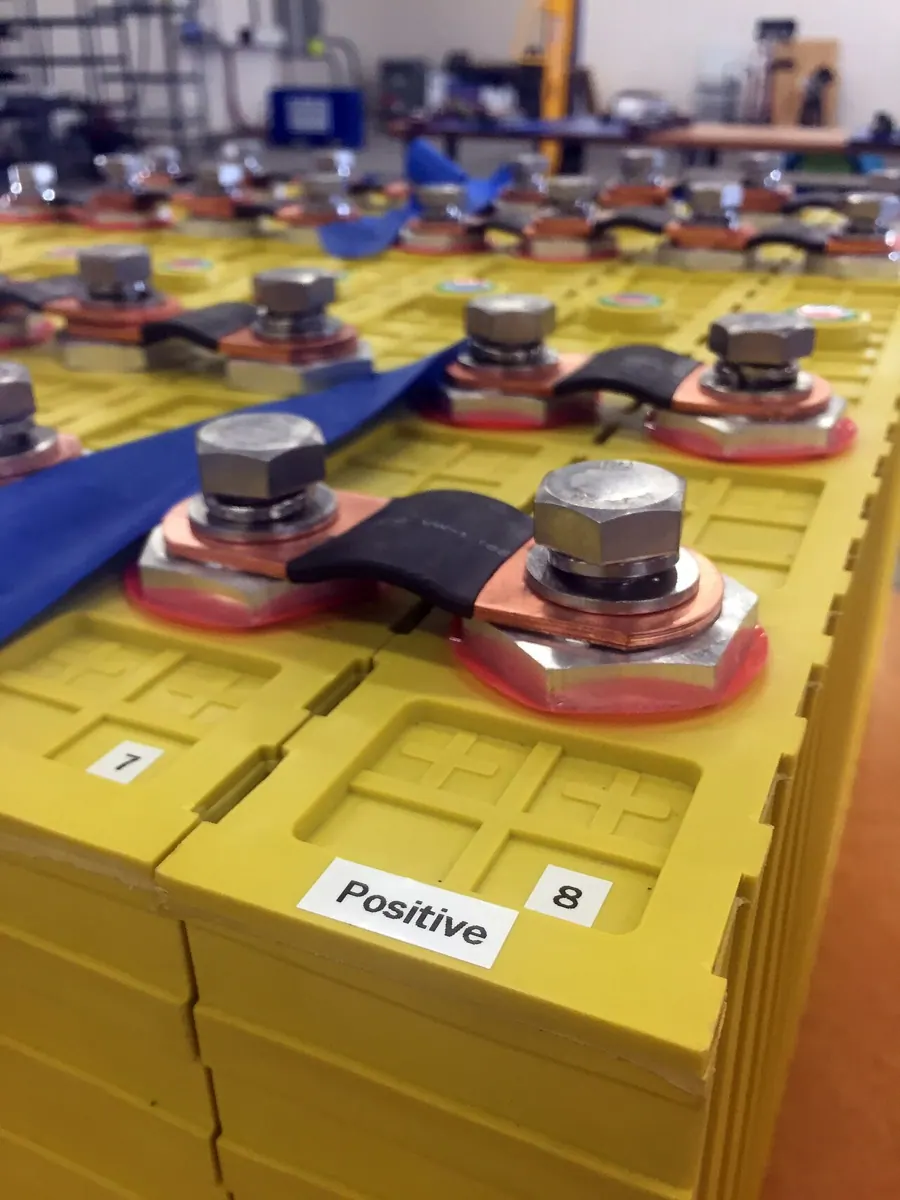
Large reservoirs can provide substantial energy storage, while turbine and pump equipment determine the rate at which energy moves. Depending on design, pumped storage can support balancing and other network services. It should be compared with alternatives according to the duration and service required, not only the word storage. A short power fluctuation and a long period of low renewable output are different challenges. Pumped storage illustrates why a future electricity system may use several forms of storage, each suited to a different combination of location, scale and operating duty.