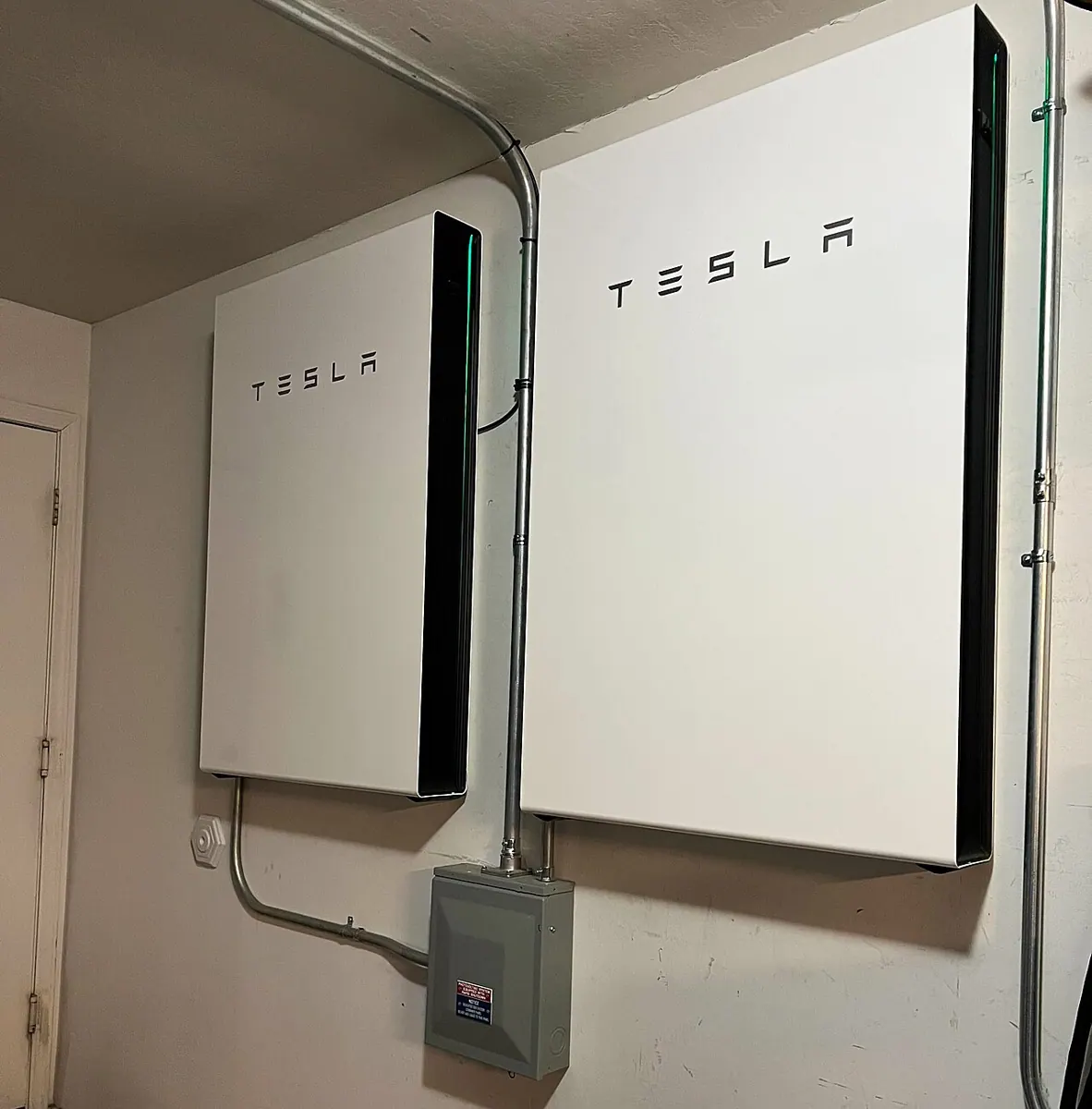
A battery can store electricity for later use, but that broad capability does not tell you whether a particular installation will be useful. Start by naming the problem it should solve. Keeping essential circuits running during an outage is different from moving daytime solar into the evening or responding to electricity prices.
Define the service first
For backup, list the appliances that must remain available and the expected duration. For solar self-consumption, compare daytime exports with later imports. For tariff shifting, examine the actual time-based rates and any program restrictions. These objectives can compete. A battery held full for an outage has less empty space available to collect surplus solar.
Read power and energy separately
Power, measured in kilowatts, describes how quickly a battery system can deliver electricity. Energy, measured in kilowatt-hours, describes how much is stored or usable over time. A large energy capacity does not necessarily support every appliance at once. Starting loads and inverter limits can matter. Ask for a circuit-level explanation rather than relying on a single headline capacity.
Include the operating plan
Find out who controls charging, how reserve levels are set and what happens if communications fail. Check usable capacity, warranty conditions, installation requirements and future compatibility. A battery does not generate renewable electricity by itself; its environmental effect depends partly on what charges it and what generation it displaces. The strongest proposal ties equipment specifications to a clearly defined household need. Without that connection, an attractive storage unit can become an expensive answer to a question nobody has carefully asked.
Build an illustrative backup worksheet
For a simplified example, imagine essential loads averaging 0.25 kW across an outage. Supporting them for twelve hours would require 3 kWh at the load, because power multiplied by time gives energy. The battery would need additional allowance for conversion losses, reserve settings and uncertainty. This is not a system-sizing recommendation: real refrigerators cycle, equipment starts at different moments and the average demand may be poorly known.
Add a separate column for maximum simultaneous power and any startup requirements. A kettle used briefly might add relatively little energy to the daily total but create a significant power demand at that moment. This is why the worksheet needs both kW and kWh. Ask the installer to replace guesses with suitable measurements or equipment information, and to identify which loads the proposed backup circuit arrangement will actually support.
Test three operating priorities
Draw three imaginary days. On the first, the grid is operating normally and the house exports solar at midday. On the second, a low-price charging window is available but little solar is expected. On the third, an outage begins in the evening. Write down when the battery should charge, discharge or hold its reserve on each day. The exercise exposes conflicts that a single savings estimate can hide.
For example, an aggressive evening-discharge strategy may leave less backup energy if an outage begins later that night. A large reserve may protect essential services but reduce the energy available for routine price shifting. The controls should reflect the priority the owner actually chooses. If a utility program can override part of the schedule, include that in the drawing. An operating plan is useful only when it describes all parties with control over the equipment.
Compare ownership over the service period
Read the installation scope alongside the warranty and expected operation. Include any switchgear, backup-circuit work, communications requirements and subscriptions. Clarify which capacity figure is usable, which performance conditions apply and who handles a fault. A low purchase price can be misleading if significant integration work is missing. A long warranty can also be misunderstood if its operating limits are ignored.
Keep a clear distinction between a financial estimate and the value of backup service. Some owners place substantial value on keeping essential equipment available even when a simple bill-saving calculation is modest. Others mainly want to increase solar self-consumption. Neither preference should be concealed inside an inflated savings promise. The decision becomes easier when the proposal separately describes what the battery will do, what that service costs and which benefits are estimates rather than guarantees.