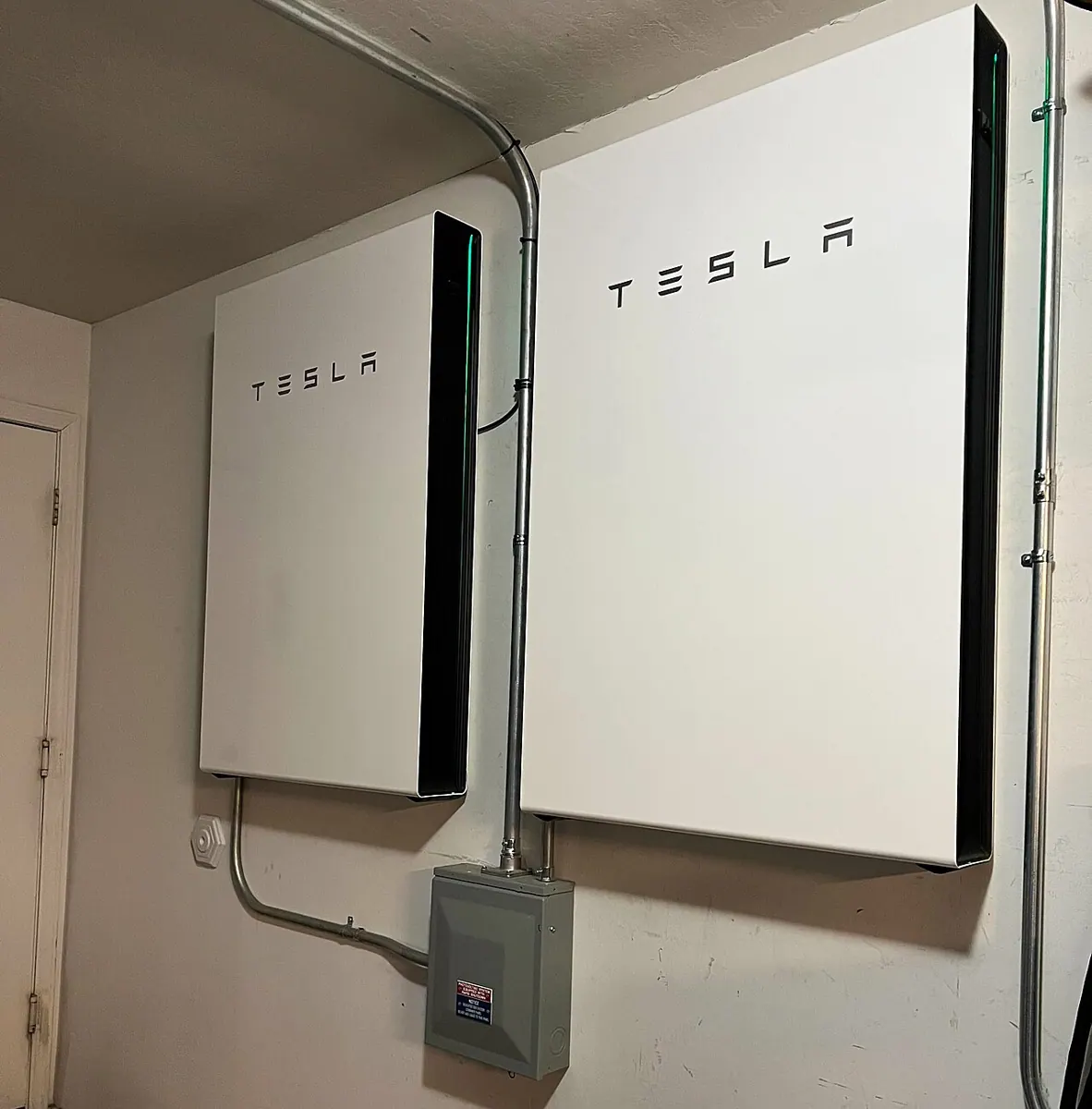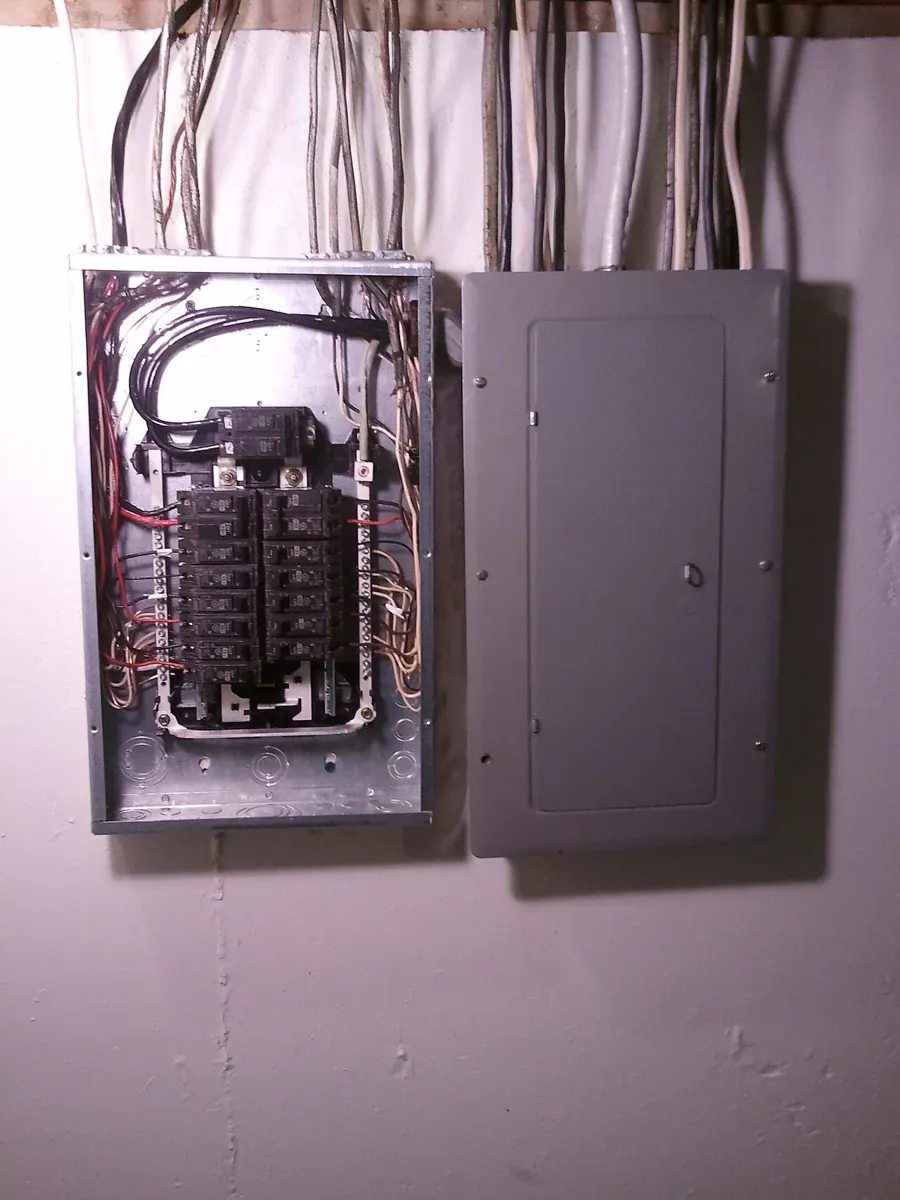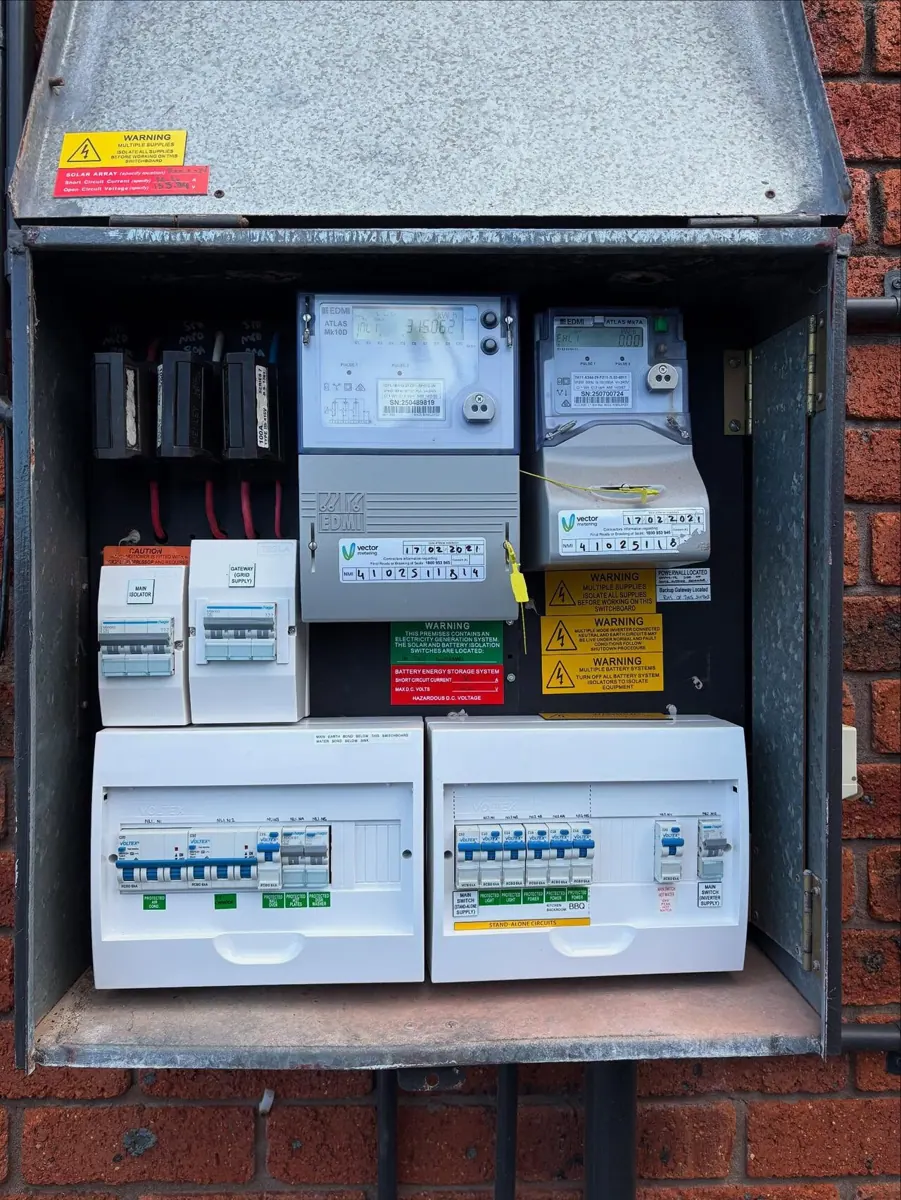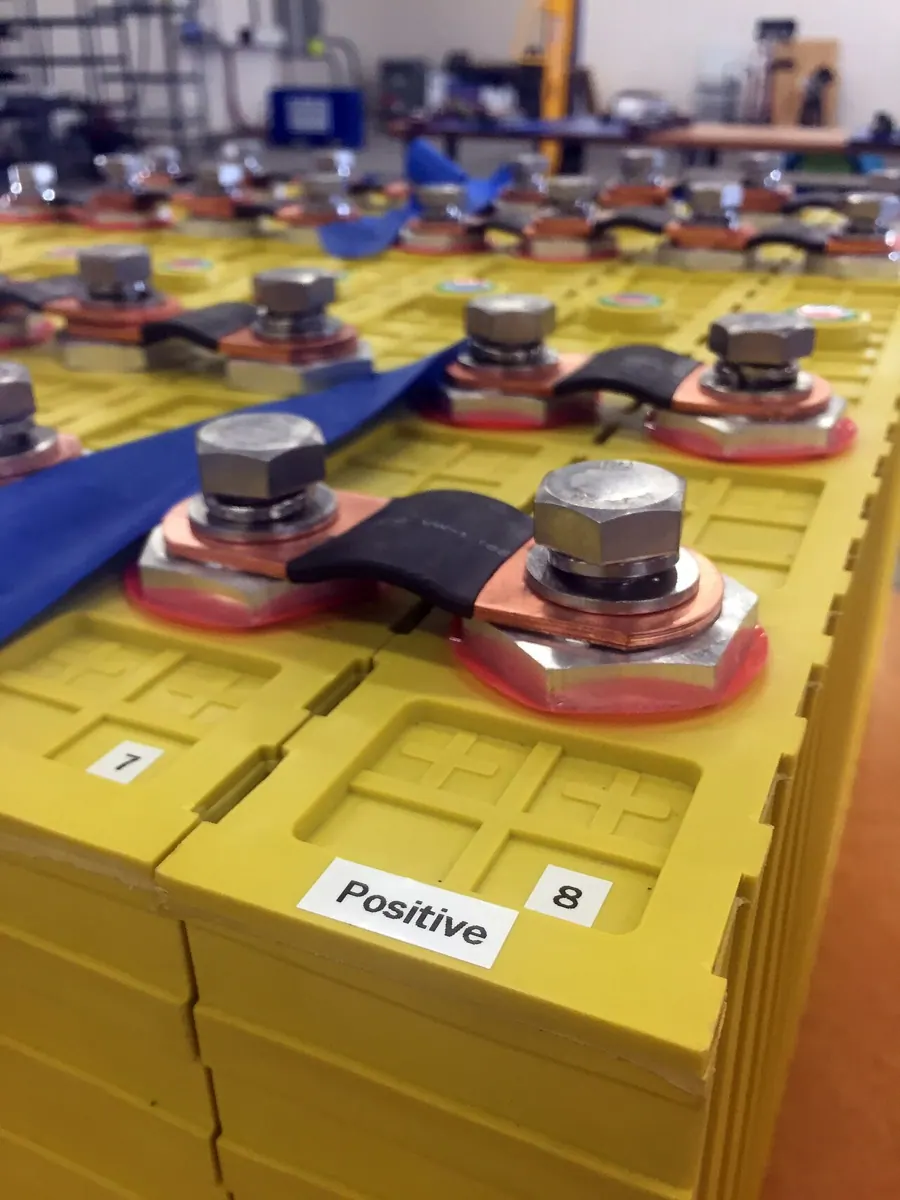
Imagine a battery with 8 kilowatt-hours of usable energy supplying a constant 2-kilowatt load. Simple arithmetic gives four hours before considering conversion losses, reserve settings or changing demand. Increase the load to 4 kilowatts and the same energy lasts half as long, if the system can deliver that power. These are illustrative numbers, not a product specification.
Ask what usable means
Nominal capacity may differ from the energy available to the owner. The system can reserve part of its capacity to protect operation, and the user may keep another portion for emergencies. Capacity also changes with conditions and age. Compare like-for-like specifications and ask whether quoted runtime already includes the relevant allowances.
Watch the simultaneous loads
A refrigerator, kettle and heater do not all draw power in the same way. Some appliances cycle; some have brief startup demands; others run steadily. Adding nameplate figures can be useful for a first check, but a proper design may require measured demand and equipment-specific information. The inverter's continuous and surge limits deserve attention.
Use a range for runtime
A fixed runtime claim can be misleading when household behavior varies. Describe a low-demand and a high-demand scenario, with the supported circuits listed in each. During an outage, reducing unnecessary loads can extend useful service. Keep the arithmetic transparent so another person can understand it. Once power and energy are separated, battery brochures become easier to read: one figure answers whether the system can run the load, while the other helps answer for how long.