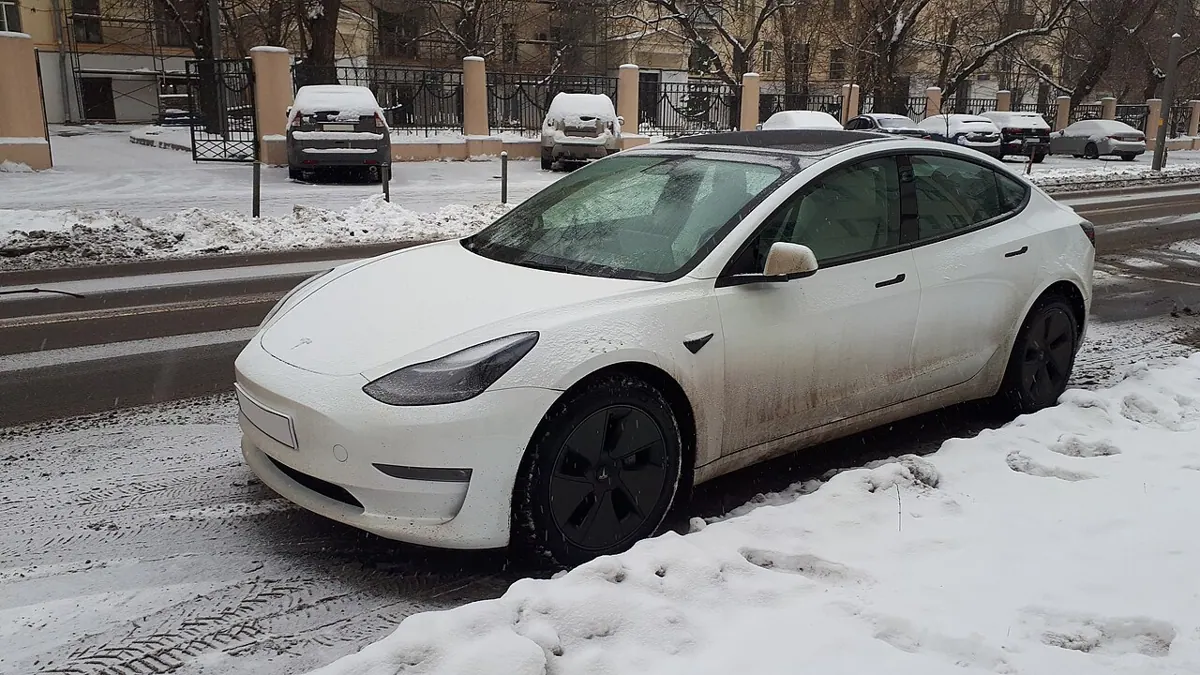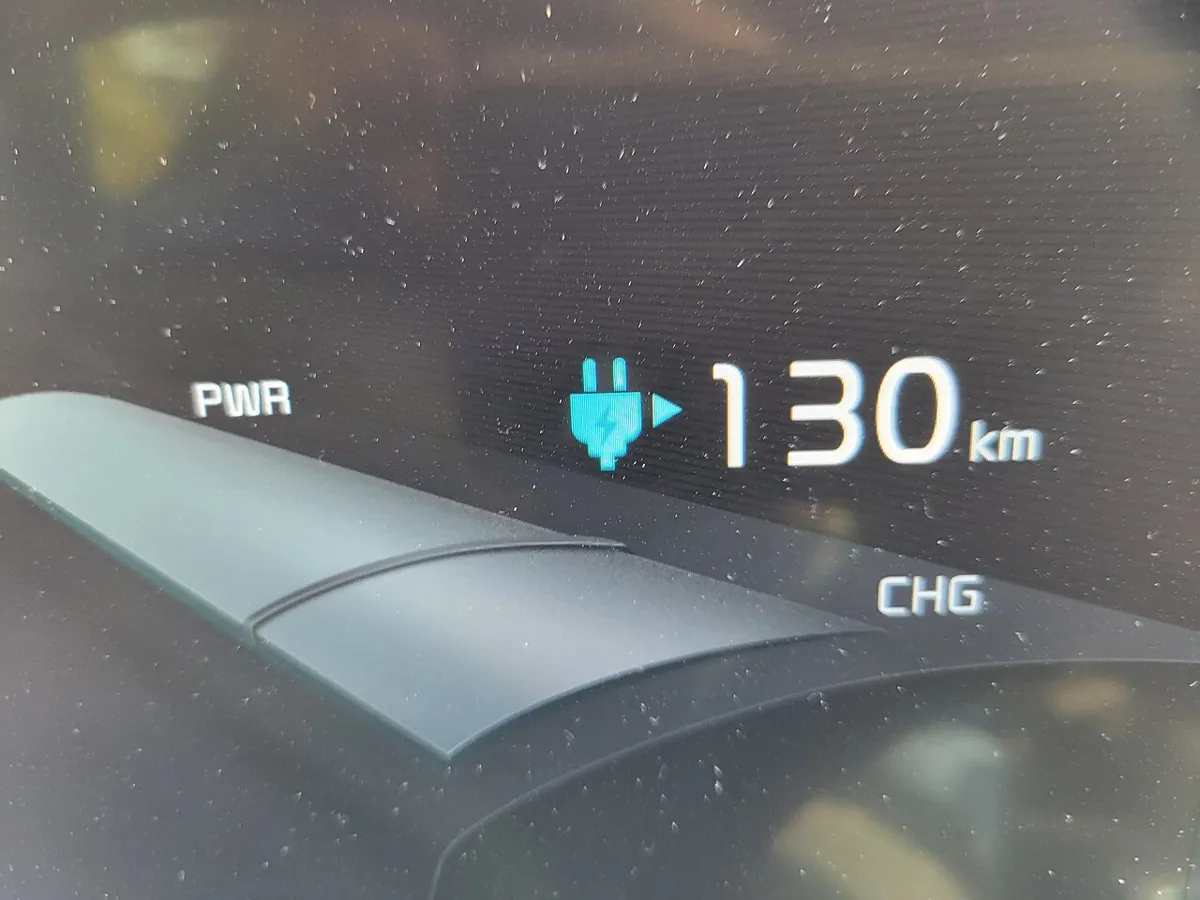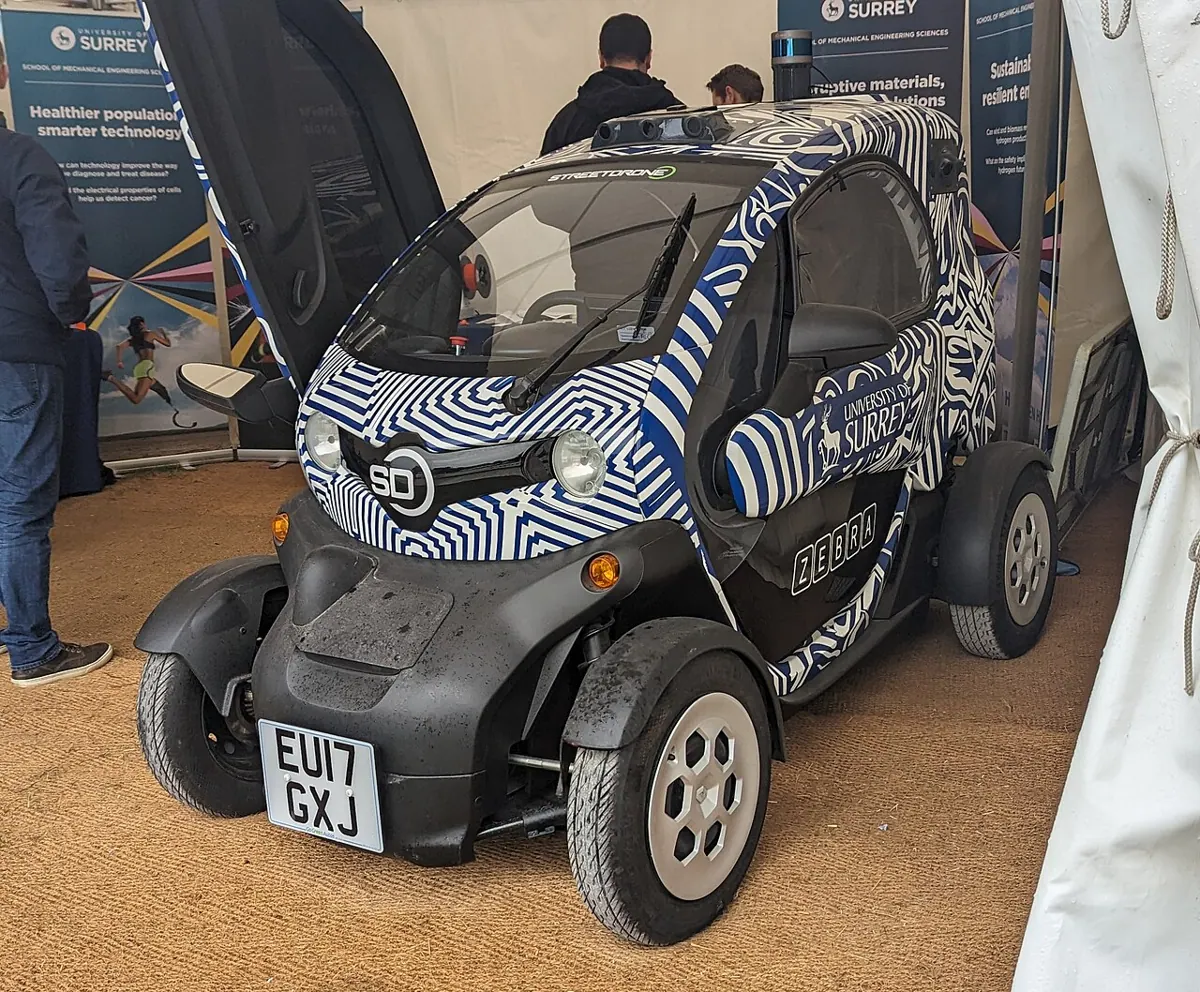
An electric drivetrain changes how a vehicle uses energy, but the vehicle still has to move its mass and push through air. Size, tires, shape and speed affect consumption. Comparing electric cars therefore involves more than battery capacity and advertised range. A larger battery can increase range while concealing a less efficient vehicle.
Compare energy per distance
Use compatible consumption figures and understand their test basis. Real use varies with weather, speed, load and route. A smaller, efficient car may meet the same daily travel need with less charging energy and a smaller battery. The relevant question is whether its space, accessibility and range suit the household's actual requirements.
Resist designing around the rarest day
Some buyers size a vehicle for an occasional trip that could be handled another way. Others genuinely need substantial passenger or cargo capacity every week. Separate regular needs from unusual ones before comparing options. This is a practical exercise, not an assumption that everyone can use the smallest car available.
Include the wider footprint
Manufacturing materials, parking space and tire-related impacts remain part of the picture. An electric car has no tailpipe exhaust during operation, but it is not impact-free. Choosing an appropriately sized vehicle can complement the benefits of electrification. The best fit is the car that reliably provides the required service with sensible resource use. A range figure is useful only when considered alongside the energy and material needed to achieve it, and the journeys for which that capability will actually be used.