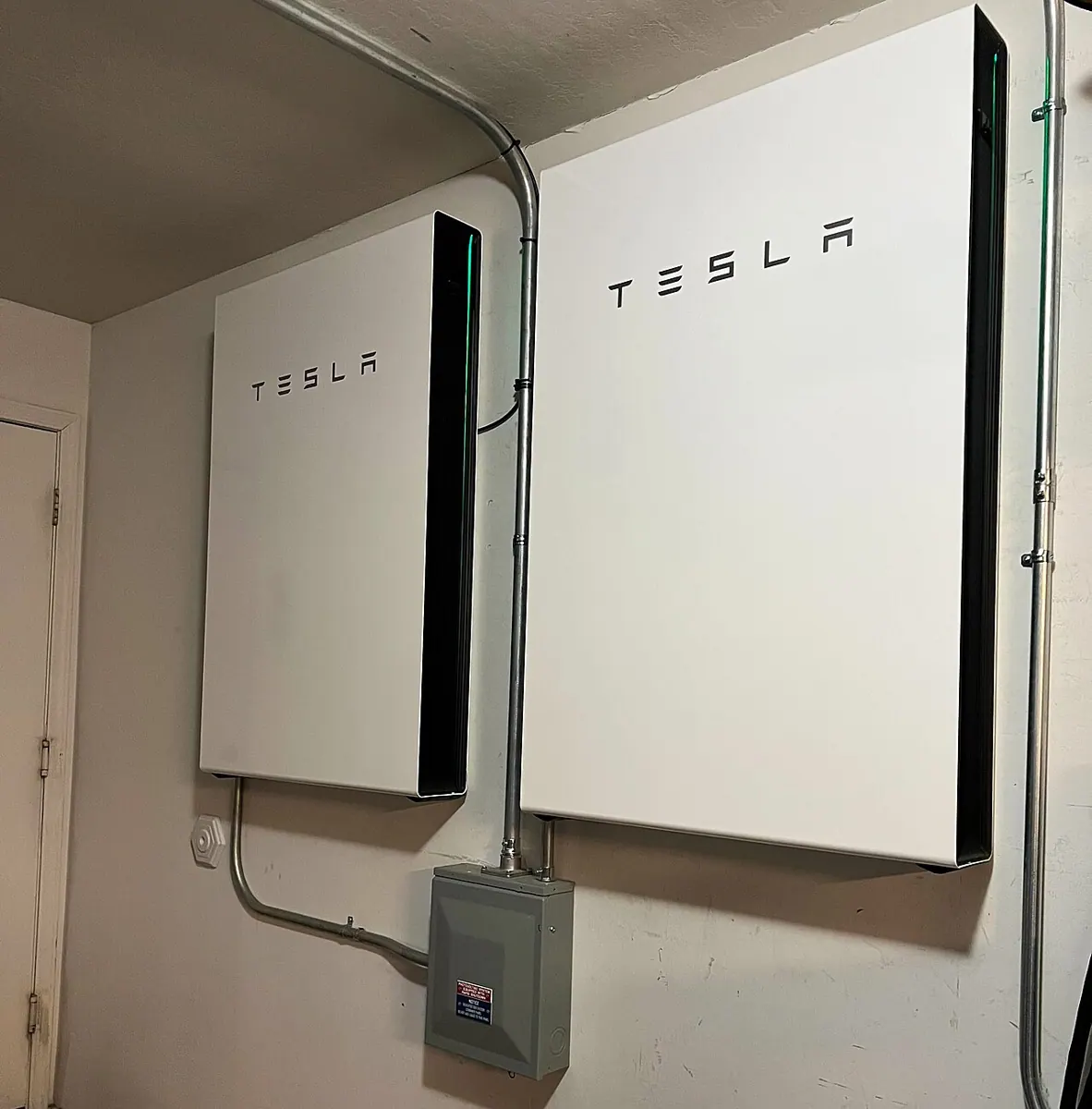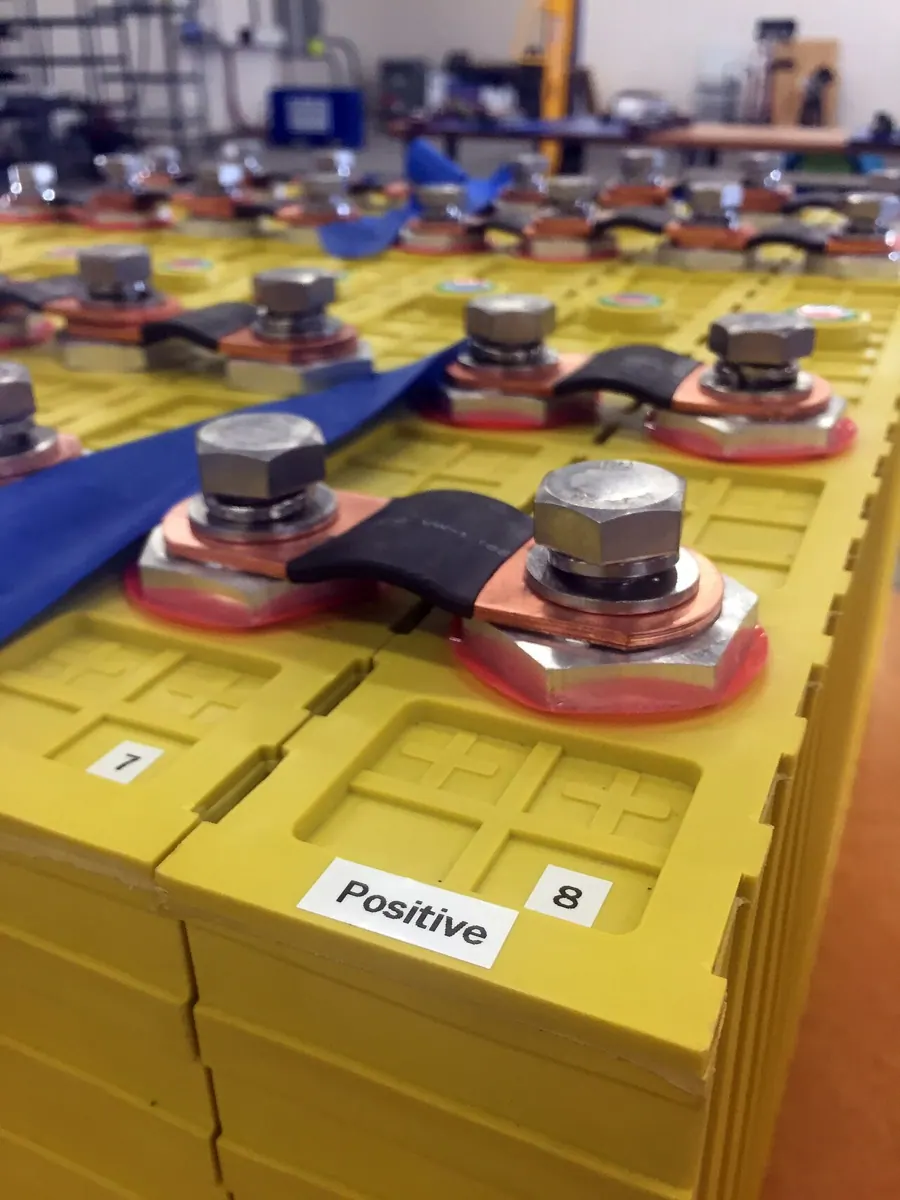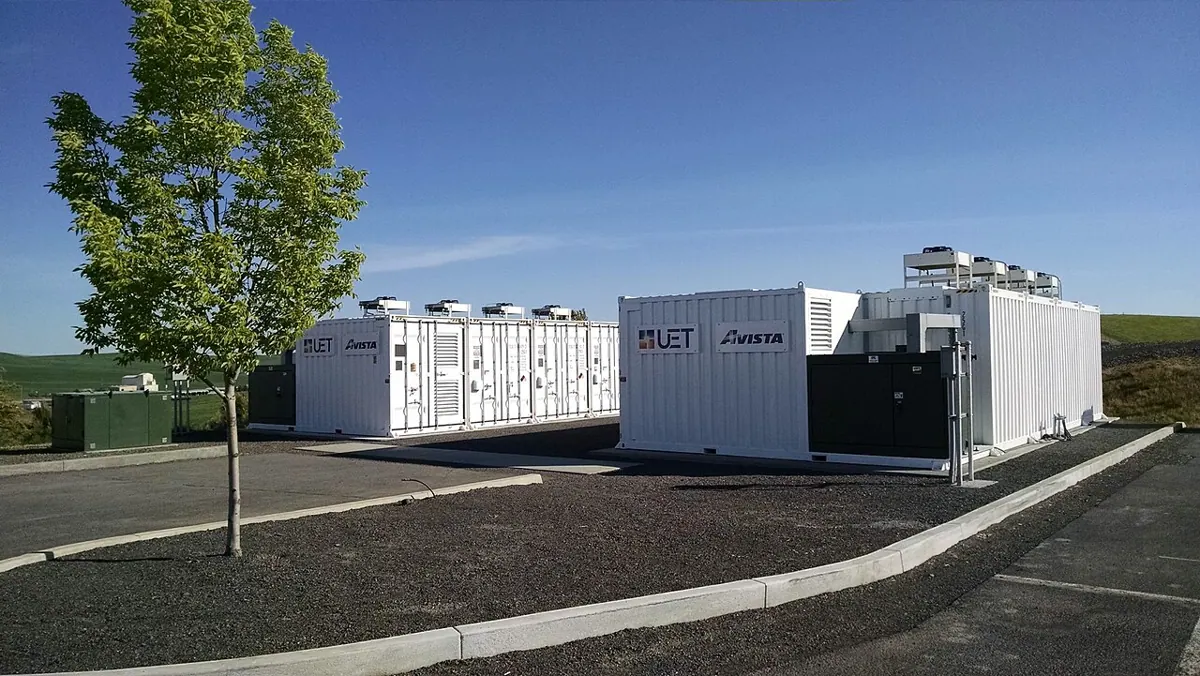
Some storage tasks last seconds; others last hours or longer. A technology that responds quickly to a brief fluctuation may not be the most practical way to cover an extended energy shortfall. Long-duration storage focuses attention on how much energy can be retained and delivered over a sustained period, although the exact label varies by context.
Define the event to be covered
Is the system shifting afternoon solar into the evening, bridging several low-output days or preparing for a seasonal imbalance? These are different duties. State the required power, duration, frequency and reliability before comparing technologies. Otherwise, a short-cycle battery and a large energy reservoir can appear to be competing for the same job when they are not.
Include the charging opportunity
Storage must receive energy before it can return it. A plan needs to explain when charging occurs, how much surplus is available and whether the network can deliver it. Efficiency matters, but so do standby losses, available sites, material requirements and construction time. Infrequent use changes the economics of equipment built mainly for rare events.
Compare storage with other flexibility
Transmission, demand response and diverse generation can also help manage variability. They may complement storage or reduce the amount required. A credible system study evaluates combinations rather than assuming one device solves every mismatch. Long-duration storage is an important planning category because it forces a clearer description of the challenge. Its value lies in meeting a defined need within a wider electricity system, not in winning a competition based on the longest possible discharge time.