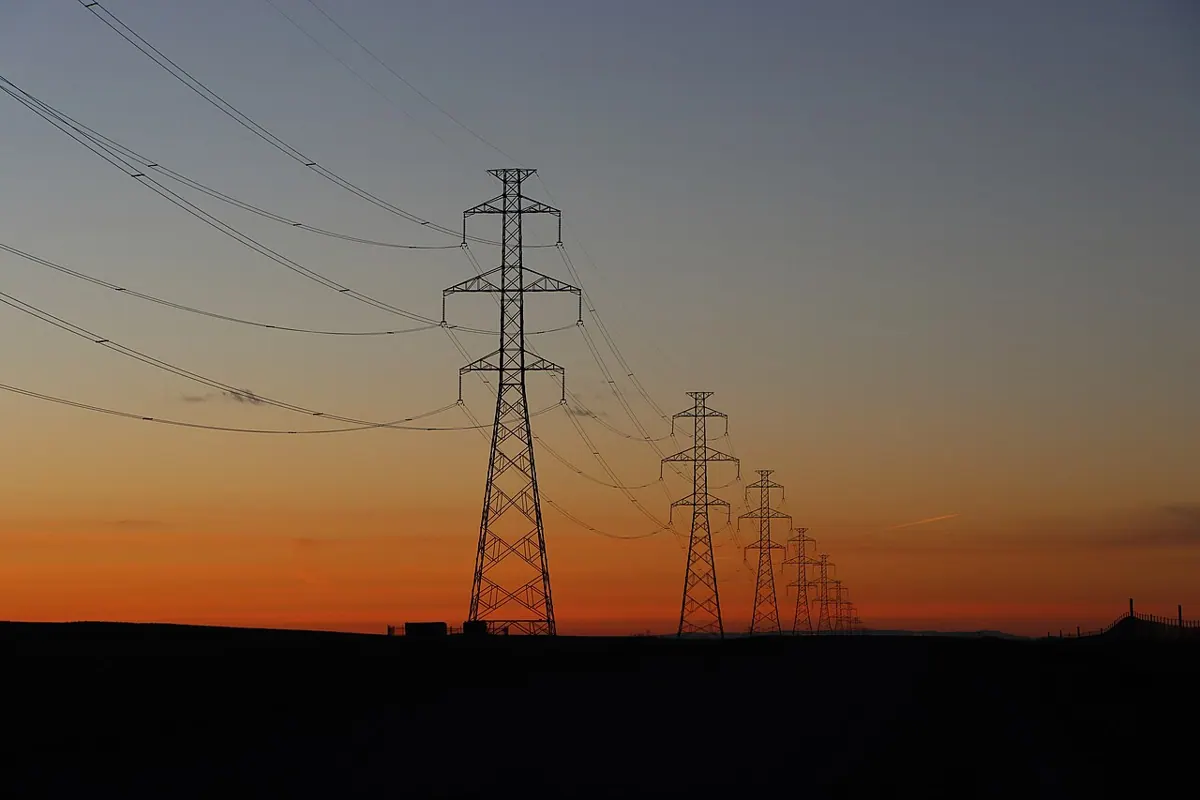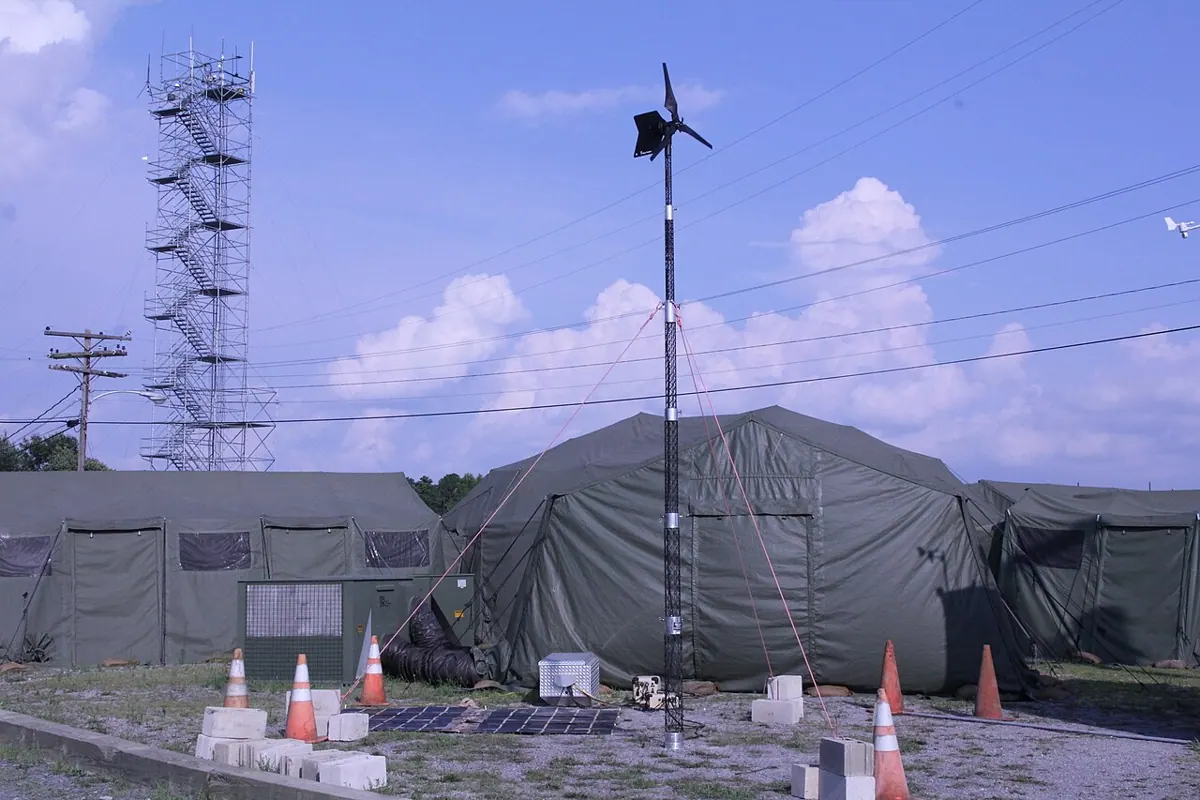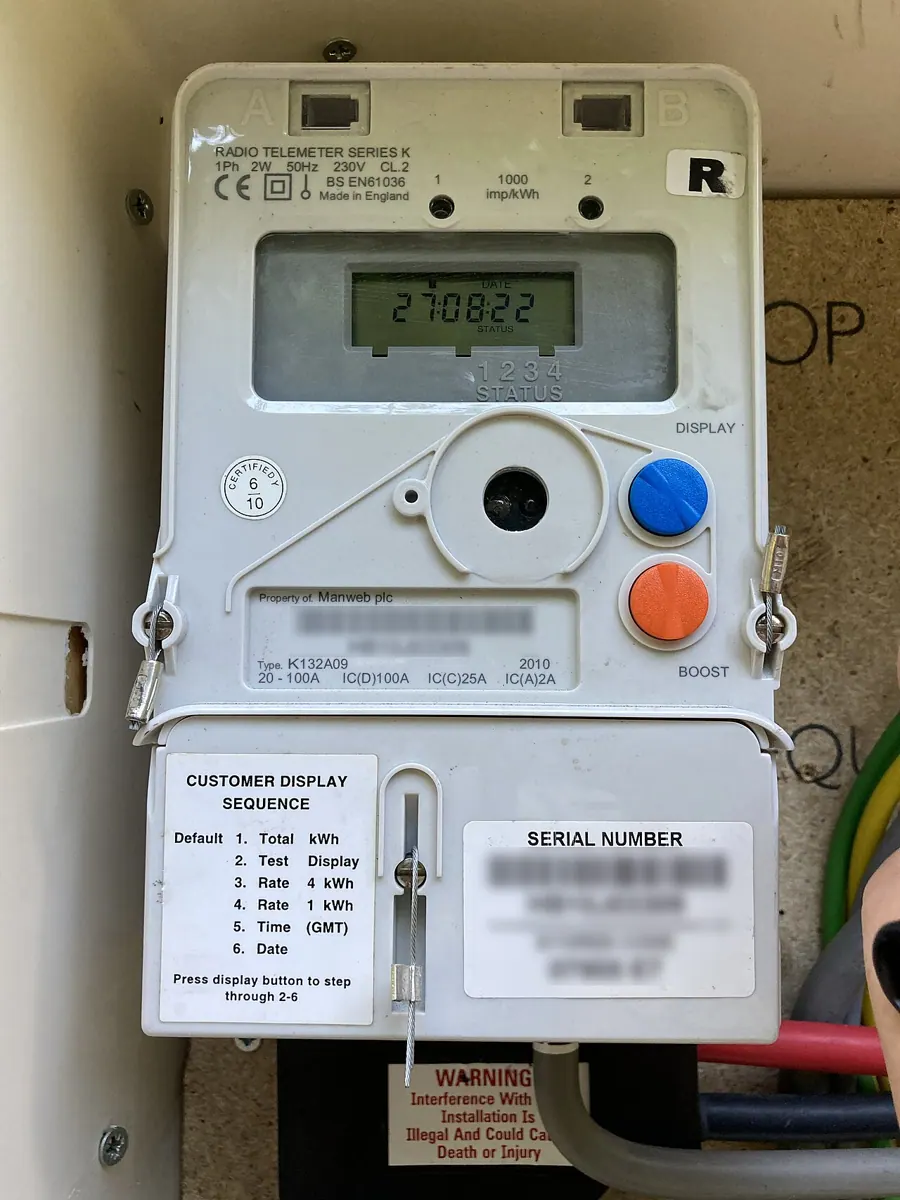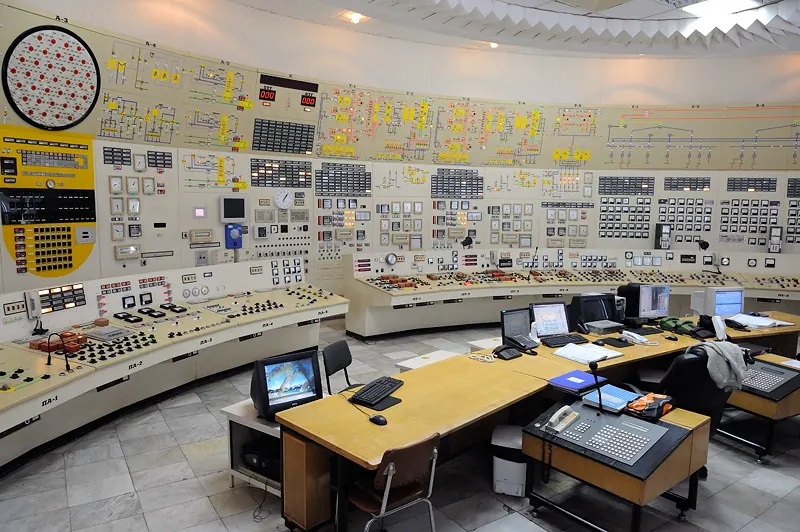
Curtailment occurs when a generator could produce more electricity but is instructed or configured to produce less. For wind and solar, this can happen when network capacity is constrained, demand is low or other operating requirements limit acceptance. It is different from a lack of wind or sunlight.
Ask where the limit sits
A local export limit, a congested transmission corridor and a system-wide surplus are different problems. Storage at the right location may help in some cases, while a network upgrade or a change in operating arrangements may be more relevant in others. A general national curtailment figure cannot identify every local solution.
Evaluate the amount and timing
Some curtailment may be economically reasonable if avoiding every lost unit would require rarely used infrastructure. The question is how much occurs, when it happens and what alternatives would cost. A few unusual hours and a persistent bottleneck should not be treated as the same condition. Transparent reporting helps distinguish them.
Look beyond the wasted-energy headline
Flexible demand, storage, transmission and improved coordination can all increase useful renewable output. Their value depends on the pattern of surplus and the needs elsewhere in the system. Curtailment is a signal worth examining, not automatic evidence that renewable generation has no value. Nor should it be ignored when it becomes substantial. The useful response begins with a specific diagnosis of the constraint and compares measures that can address that constraint at an appropriate scale.